Understanding the Benefits of Overmolding in Two Shot Injection Processes

The Fundamentals of Two-Shot Injection Molding
Overview of the Two-Shot Process
Manufacturers rely on 2 shot injection molding to create complex parts with multiple materials in a single production cycle. This two-shot plastic injection molding process involves injecting two different materials sequentially into the same mold, bonding them seamlessly for superior results. Unlike traditional single-shot methods, the 2 shot process rotates the mold or uses a rotary machine to position the first shot accurately before adding the second. This technique, often called double shot molding, enhances product integrity by eliminating the need for secondary assembly steps. In practice, the first material forms the core structure, while the second provides a protective overmold or functional layer. Industries favor this 2 shot molding approach for its efficiency in producing items like grips on tools or seals in devices. The process starts with precise temperature control to ensure compatibility between shots, preventing defects like delamination. Engineers design the 2 shot mold to accommodate both injections without repositioning, streamlining the mold injection sequence. As a result, production speeds up, and waste decreases compared to separate molding operations. This overview highlights why two-shot injection molding stands out in modern manufacturing, offering a blend of precision and versatility that single processes can't match.
Key Components: Substrates and Molds
Substrates serve as the foundational layer in two-shot injection molding, providing the rigid base for subsequent overmolding. Typically made from durable plastics or metals, these substrates withstand the heat and pressure of the injection process. In 2 shot injection molding, the substrate forms the first shot, creating a stable platform that bonds tightly with the overmold material. Molds, or injection molds, play a critical role by housing both shots; they feature rotating cores or shuttling platens to align components precisely. High-quality tool design ensures the substrate locks into place before the second injection, avoiding misalignment. Manufacturers often use steel or aluminum for these injection molds to endure repeated cycles without wear. The substrate's surface preparation, such as texturing or chemical etching, promotes strong adhesion during overmolding, enhancing the final product's strength. In the 2 shot process, molds incorporate cooling channels to manage thermal expansion between materials, preventing warping. This setup allows for intricate geometries that would challenge simpler molding techniques. Overall, substrates and molds form the backbone of two-shot plastic injection molding, enabling manufacturers to produce reliable, multi-material parts efficiently and consistently across high-volume runs.
Materials Used: Thermoplastics and Liquid Silicone Rubber
Thermoplastics dominate the first shot in 2 shot injection molding, offering rigidity and structural support for the substrate. Materials like HDPE, or high-density polyethylene, provide excellent impact resistance and are common in automotive and consumer goods. These plastics melt and flow easily during injection, solidifying quickly to form a solid base. Liquid silicone rubber (LSR) frequently serves as the second material, adding flexibility and sealing properties through overmolding. LSR bonds chemically with thermoplastics, creating watertight seals ideal for medical devices or electronics. In two-shot injection molding, compatibility between thermoplastics and LSR prevents separation under stress. Manufacturers select these materials for their processability; thermoplastics handle high pressures in the mold, while LSR cures rapidly post-injection. Rubber overmolds enhance grip and vibration dampening, outperforming single-material alternatives. Polyethylene variants, including thermoplastic elastomer (TPE), bridge rigidity and elasticity, expanding design options in multi-shot injection molding. Careful material selection ensures the 2 shot molding process yields parts with balanced properties, from heat resistance to biocompatibility. This combination drives innovation, as seen in everyday products where durability meets user comfort seamlessly.
Advantages of Overmolding in Manufacturing
Enhanced Product Durability and Functionality
Overmolding in two-shot injection molding boosts product durability by layering a resilient material over a rigid substrate, creating parts that endure harsh conditions. This technique integrates rubber or TPE over thermoplastics, forming a protective barrier against impacts, chemicals, and wear. In consumer electronics, overmolded grips on handles prevent slippage and cracking, extending device lifespan. Functionality improves as the overmold adds insulating properties or seals, reducing failure rates in wet environments. Manufacturers achieve tighter bonds than adhesives, eliminating weak points that plague assembled components. The 2 shot process ensures uniform thickness in the overmold, enhancing load distribution and fatigue resistance. For instance, automotive switches with overmolded buttons resist UV exposure and repeated use without degrading. This method also incorporates ergonomic features, like soft-touch surfaces, that enhance user interaction without compromising structural integrity. Compared to extrusion or compression molding, overmolding delivers superior material fusion, minimizing voids that could lead to leaks or breaks. Ultimately, products from two-shot plastic injection molding exhibit enhanced performance, satisfying stringent industry standards while reducing long-term maintenance costs for end-users.
Cost-Effectiveness in Production
Overmolding through 2 shot injection molding cuts production costs by consolidating multiple manufacturing steps into one efficient cycle. Traditional methods require separate molding, assembly, and bonding, driving up labor and equipment expenses. In contrast, the two-shot process automates material integration, slashing assembly time by up to 50 percent. Manufacturers save on inventory by producing finished parts directly, avoiding stockpiling of subcomponents. The 2 shot mold design, though initially investment-heavy, amortizes over high-volume runs, lowering per-unit costs significantly. Reduced scrap rates stem from precise control over injections, minimizing defects like flash or incomplete fills. Energy efficiency improves as the process uses less power than running multiple machines for single shots. For small to medium runs, double shot molding proves economical by enabling quick changeovers between products. Overmolding eliminates secondary operations like painting or coating, further trimming expenses. Machine shops specializing in plastic injection molding report faster throughput, allowing them to meet deadlines without overtime. This cost-effectiveness extends to supply chain simplification, as fewer suppliers mean lower logistics fees. Overall, two-shot injection molding delivers value by optimizing resources and accelerating time-to-market for manufacturers.
Design Flexibility with Multi-Shot Injection
Multi-shot injection molding, including overmolding, unlocks unprecedented design flexibility by combining diverse materials and colors in a single part. Designers embed soft rubber overmolds on hard plastic substrates to create textured surfaces that feel premium and perform reliably. The 2 shot process supports intricate patterns, such as logos or accents, without additional tooling. This versatility shines in customizing products for specific markets, like vibrant casings for appliances. Unlike single-shot injection molding, multi-shot techniques allow for variable durometers in the overmold, tailoring softness for grips or rigidity for supports. Engineers experiment with TPE over HDPE for parts needing both flexibility and strength, expanding aesthetic and functional possibilities. The mold's modular design facilitates rapid prototyping, speeding innovation cycles. In two-shot plastic injection molding, color integration happens inline, ensuring consistency across batches. This approach reduces weight compared to metal inserts, aiding lightweighting in automotive designs. Manufacturers leverage this flexibility to differentiate products, meeting consumer demands for stylish, durable goods. As a result, overmolding empowers creative freedom, turning complex concepts into manufacturable realities with minimal compromise.
Applications and Industries Utilizing Two-Shot Injection Molding
Consumer Electronics and Appliances
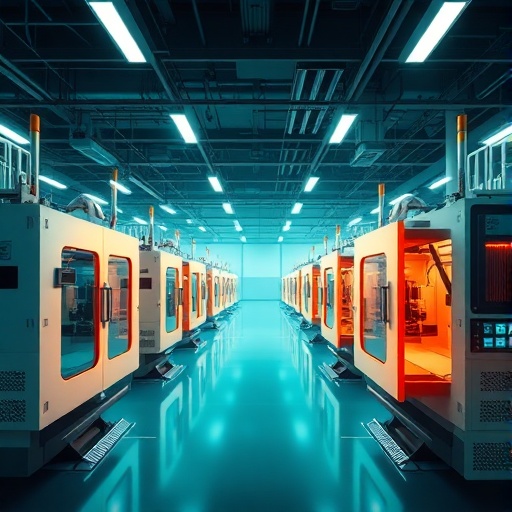
Consumer electronics thrive on 2 shot injection molding for components that blend aesthetics with functionality. Smartphones feature overmolded buttons with rubber for tactile feedback, while casings use thermoplastics topped with LSR for water resistance. This two-shot process ensures seamless integration, preventing dust ingress in devices like wireless earbuds. Appliances such as blenders incorporate overmolded handles that resist heat and provide secure grips during use. Manufacturers produce these parts efficiently, achieving high volumes with consistent quality. The 2 shot mold allows for multi-color designs that enhance brand appeal without post-processing. In home gadgets, overmolding adds insulation to cords and switches, boosting safety and longevity. TPE overmolds on remote controls offer soft-touch comfort, reducing user fatigue. This technique outperforms traditional molding by enabling slim profiles that fit modern designs. Industries benefit from reduced assembly errors, as the injection molded parts arrive ready-to-use. Overall, two-shot injection molding revolutionizes electronics and appliances, delivering products that users love for their reliability and style.
Automotive Components and Accessories
Automotive manufacturers harness two-shot injection molding to craft durable components that withstand vibration and environmental stresses. Dashboard knobs with overmolded rubber grips provide drivers with confident control, while thermoplastics ensure structural stability. The 2 shot process integrates seals directly into door handles, eliminating leaks and enhancing weatherproofing. Interior trims feature multi-material designs, combining HDPE bases with TPE accents for a luxurious feel. This double shot molding reduces weight versus metal alternatives, improving fuel efficiency in vehicles. Exterior accessories like key fobs benefit from overmolding that protects against drops and moisture. Injection molds designed for automotive specs handle high pressures, producing parts that meet rigorous safety standards. Overmolding enhances noise reduction in gear shifts, contributing to quieter cabins. Suppliers in machine shops streamline production, supplying just-in-time parts to assembly lines. The versatility of two-shot plastic injection molding supports customization for different models, from economy cars to luxury SUVs. By minimizing joints, this technology lowers failure risks, extending component life and reducing warranty claims for automakers.
Medical Devices and Equipment
Medical devices demand precision, and two-shot injection molding delivers biocompatible parts with overmolded features for hygiene and usability. Syringe plungers use LSR over thermoplastics to create smooth, leak-proof seals that ensure accurate dosing. The 2 shot process sterilizes easily, as integrated materials avoid crevices where bacteria hide. Surgical tools incorporate rubber overmolds for ergonomic handling, reducing surgeon fatigue during procedures. This manufacturing method complies with FDA regulations, using approved plastics like polyethylene for implants or housings. Overmolding adds cushioning to diagnostic equipment grips, improving patient comfort in handheld scanners. Injection molded components in ventilators feature dual materials for airtight connections, critical in life-support systems. Manufacturers achieve tight tolerances in the 2 shot mold, vital for devices interfacing with the body. Multi-shot injection molding enables color-coding for quick identification in emergency kits. By bonding materials molecularly, overmolding prevents delamination under sterilization cycles. This technology supports scalable production, from prototypes to mass-market prosthetics, advancing healthcare innovation with safe, effective solutions.
Comparing Two-Shot Injection Molding with Other Techniques
Contrasting with Insert Molding and Compression Molding
Insert molding places pre-formed metal or plastic inserts into a mold before injecting resin around them, differing from two-shot injection molding's sequential material shots. While insert molding excels in embedding threads or circuits, it risks misalignment without robotic assistance, unlike the automated precision of 2 shot processes. Compression molding presses heated material into a mold under pressure, suiting thermosets but lacking the speed of injection methods. Two-shot plastic injection molding bonds dissimilar materials like rubber over plastic inline, avoiding the secondary heating of compression that can warp substrates. Insert techniques often require manual insert placement, increasing labor costs compared to the fully automated 2 shot mold cycle. Overmolding in two-shot yields stronger chemical bonds than the mechanical interlocks in insert molding, enhancing durability. Compression molding handles larger parts well but struggles with intricate details that 2 shot injection molding captures effortlessly. For high-volume runs, two-shot reduces cycle times below insert or compression, boosting throughput. This comparison underscores why manufacturers choose two-shot for complex, multi-material needs over these alternatives' limitations in efficiency and integration.
Exploring Benefits Over Traditional Single Shot Processes
Traditional single shot processes inject one material per cycle, necessitating post-molding assembly for multi-material parts, whereas two-shot injection molding integrates everything in one go. This 2 shot process eliminates bonding steps, cutting labor and error risks that plague single-shot workflows. Single shot molding limits design to uniform properties, but overmolding adds functionality like grip or insulation without extra operations. Manufacturers save time and money, as the double shot molding cycle, though slightly longer, offsets assembly entirely. Material waste drops in two-shot due to precise shots, unlike single-shot's higher scrap from fitting disparate pieces. The 2 shot injection molding technique supports color and texture variations inline, enhancing aesthetics over single-material monotony. In terms of strength, overmolded parts outperform glued single-shot assemblies, resisting shear forces better. Scalability favors two-shot for mass production, as machine shops optimize one tool for multiple features. Traditional methods falter in tight tolerances for seals, where two-shot excels with controlled overmold thickness. Ultimately, the benefits propel two-shot ahead, transforming manufacturing from fragmented to streamlined.
Understanding Multi-Shot Injection Molding
Multi-shot injection molding extends the 2 shot concept to three or more materials, enabling even greater complexity in a single mold. This technique uses advanced rotary machines to sequence injections, layering thermoplastics, TPE, and rubber for multifaceted parts. Unlike basic two-shot plastic injection molding, multi-shot incorporates diverse properties like conductivity or transparency in one component. Designers achieve gradients in hardness or color, ideal for eyewear frames blending rigid cores with flexible temples. The process demands sophisticated injection molds with indexed stations, but yields unparalleled customization. Overmolding in multi-shot ensures each layer adheres perfectly, avoiding the delamination seen in manual assemblies. Manufacturers in high-tech sectors favor this for prototypes that evolve into production runs seamlessly. Compared to dual injection molding, multi-shot reduces tooling costs by consolidating shots, despite higher upfront machine investments. It addresses related searches like mold multi shot by offering versatility beyond two materials. This understanding reveals multi-shot as an evolution of two-shot, pushing boundaries in plastic injection molding for innovative, integrated designs.
Future Trends in Two-Shot Injection Molding Technology
Advancements in Material Science: TPE and HDPE
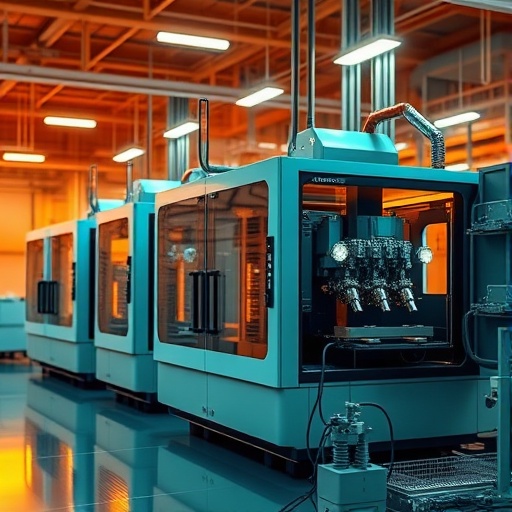
Material science propels two-shot injection molding forward with enhanced TPE and HDPE formulations that expand application scopes. Thermoplastic elastomer (TPE) variants now offer bio-based options, reducing environmental impact while maintaining overmolding compatibility with substrates. These advanced TPEs bond more reliably in 2 shot processes, enabling thinner overmolds for sleeker designs. HDPE innovations include recycled content blends that retain high strength, supporting sustainable manufacturing in automotive and packaging. Researchers develop TPE-HDPE hybrids for two-shot plastic injection molding, combining elasticity with chemical resistance for medical tubing. These materials process at lower temperatures, cutting energy use in injection molds and extending tool life. Overmolding with next-gen TPE adds antimicrobial properties, crucial for hygiene-focused products. HDPE's improved flow characteristics speed up the 2 shot cycle, boosting production rates. Machine shops integrate these advancements to meet eco-regulations without sacrificing performance. As polyethylene evolves, two-shot injection molding adapts, promising lighter, greener parts that align with global sustainability goals.
The Role of Machine Shops in Modern Manufacturing
Machine shops anchor modern manufacturing by specializing in two-shot injection molding, providing end-to-end solutions from design to delivery. These facilities house state-of-the-art injection machines tailored for overmolding, ensuring precision in multi-material production. Experts in machine shops optimize 2 shot molds for efficiency, incorporating simulations to predict flow and bonding. They collaborate with manufacturers to customize processes, addressing challenges like material incompatibility proactively. In the 2 shot process, shops implement quality controls like inline spectroscopy to verify layer adhesion. Their role extends to prototyping, where rapid iterations refine double shot molding techniques. Machine shops drive cost savings through lean operations, minimizing downtime in high-volume runs. They train staff on emerging technologies, keeping two-shot plastic injection molding competitive. By offering value-added services like finishing, shops streamline supply chains for clients in electronics and automotive. This pivotal role fosters innovation, as machine shops evolve with industry demands, solidifying their status as manufacturing powerhouses.
Innovations in Tool Design for Enhanced Efficiency
Tool design innovations revolutionize two-shot injection molding by incorporating smart features that slash cycle times and boost accuracy. Modular injection molds now allow quick material swaps, adapting the 2 shot process for diverse runs without full retooling. Advanced cooling systems, like conformal channels via 3D printing, regulate temperatures precisely, preventing defects in overmolding. Designers integrate sensors into tools to monitor pressure and flow in real-time, enabling predictive maintenance for sustained efficiency. These enhancements support multi-shot injection molding by handling complex geometries with minimal flash. Hot runner technology in 2 shot molds reduces material waste, optimizing resin use for thermoplastics and LSR. Innovations like hybrid molds combining metal and plastic elements lighten tools, easing machine strain. Manufacturers gain from faster setups, as automated alignment systems position substrates flawlessly. This focus on efficiency addresses mold injection challenges, yielding higher yields and lower costs. Looking ahead, AI-driven tool design will further refine two-shot plastic injection molding, paving the way for smarter, more responsive production environments.
See Also
- The Role of Machine Shops in Perfecting Two Shot Injection Molding Techniques
- Exploring the Benefits of Overmolding in Two Shot Injection Processes
- How Two Shot Injection Molding Revolutionizes Manufacturing Efficiency
- From Thermoplastics to Liquid Silicone Rubber Discovering Two Shot Injection Molding Materials