Exploring the Benefits of Overmolding in Two Shot Injection Processes

Understanding Two Shot Injection Molding
What is Two Shot Injection Molding?
Two shot injection molding, also known as double shot molding, involves the simultaneous injection of two different materials into a single mold to create a single, cohesive part. This innovative technique allows manufacturers to combine various properties of different materials, enhancing the overall performance of the final product. For example, a hard thermoplastic substrate may be fused with a softer thermoplastic elastomer (TPE) layer, providing both structural integrity and flexibility. The process not only streamlines production but also reduces the need for secondary operations, making it an efficient choice for many applications.
Key Components of the Two Shot Process
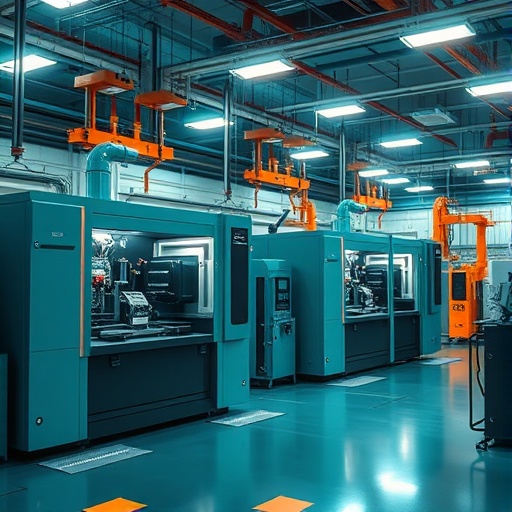
A successful two shot injection molding system relies on several key components. First, the injection molding machine must be equipped with dual injection units capable of handling different materials. This includes precise control over temperature and pressure to ensure optimal flow and adhesion between the two materials. Additionally, the mold itself is designed to accommodate both shots, featuring separate cavities that allow for the sequential injection of materials. The combined expertise of machine shops in designing and manufacturing these specialized tools is crucial for achieving high-quality overmolding results.
Differences Between Two Shot and Multi Shot Injection Molding
While both two shot and multi shot injection molding involve the injection of multiple materials, they differ significantly in their applications and complexity. Two shot injection molding specifically focuses on combining two distinct materials in a single cycle, often resulting in enhanced functionality and aesthetics. In contrast, multi shot injection molding can involve three or more materials, allowing for more intricate designs and varied material properties. However, the complexity increases with each additional material, often leading to higher production costs and longer cycle times. Understanding these differences helps manufacturers choose the right approach based on their specific needs.
The Advantages of Overmolding
Enhanced Product Performance
Overmolding significantly improves product performance by combining materials with complementary properties. For instance, manufacturers can use a rigid thermoplastic as a substrate while applying a soft rubber layer for better grip and shock absorption. This dual-material approach enhances functionality, durability, and comfort in products ranging from automotive components to consumer electronics. The seamless bond created during the two shot injection molding process ensures that the materials work together effectively, resulting in superior performance compared to single-material products.
Improved Aesthetic Appeal
Incorporating overmolding into product design enhances aesthetic appeal. The ability to use different colors, textures, and materials in a single part allows for more creative and visually appealing designs. Products can feature soft-touch finishes, vibrant color combinations, or intricate patterns that attract consumers. This aesthetic versatility is vital in competitive markets where design plays a crucial role in purchasing decisions. By utilizing two shot injection molding, manufacturers can elevate their products beyond mere functionality, transforming them into desirable items that stand out on the shelves.
Cost-Efficiency in Manufacturing
Two shot injection molding offers cost-efficiency in manufacturing by reducing the need for multiple processes. Traditional methods often require separate molding, assembly, and finishing steps, leading to increased labor and material costs. However, the two shot process integrates these steps into a single operation, minimizing production time and waste. Additionally, fewer parts mean lower inventory costs and reduced material usage. Manufacturers can streamline their operations, enhancing productivity while maintaining quality in the final products. This efficiency is particularly beneficial for high-volume production runs, making two shot injection molding an attractive option for many businesses.
Materials Used in Two Shot Injection Molding
Thermoplastics and Their Applications
Thermoplastics play a vital role in two shot injection molding due to their versatility and ease of processing. Common thermoplastics used in this process include polyethylene (HDPE), polypropylene, and polycarbonate. These materials offer a wide range of properties, such as impact resistance, chemical resistance, and flexibility. The ability to combine different thermoplastics through the two shot process allows manufacturers to create products that meet specific performance criteria. Applications span various industries, from automotive and medical devices to consumer goods, showcasing the adaptability of thermoplastics in modern manufacturing.
The Role of Liquid Silicone Rubber
Liquid silicone rubber (LSR) is increasingly popular in two shot injection molding due to its unique properties. LSR offers excellent thermal stability, chemical resistance, and biocompatibility, making it ideal for applications in healthcare and food industries. When used in conjunction with a thermoplastic substrate, LSR provides a soft, durable surface that enhances both functionality and comfort. The seamless bonding achieved during the overmolding process ensures the integrity of the final product, making LSR a preferred choice for manufacturers seeking high-performance materials.
Utilizing Thermoplastic Elastomers (TPE)
Thermoplastic elastomers (TPE) bridge the gap between rubber and plastic, offering the flexibility of elastomers with the processing ease of thermoplastics. TPEs are widely used in overmolding applications, enabling manufacturers to create soft-touch grips, seals, and gaskets that require both elasticity and durability. The two shot injection molding process allows for the efficient combination of TPEs with rigid substrates, resulting in products that perform exceptionally well under varying conditions. From automotive components to consumer electronics, TPEs enhance the usability and performance of end products across diverse applications.
The Manufacturing Process of Overmolding
Designing the Tool for Two Shot Molding
Designing the tool for two shot injection molding requires careful consideration of the materials, part geometry, and desired properties. Manufacturers must develop molds that accommodate both materials while ensuring proper alignment and flow. The tool design should facilitate the injection of the first material, followed by the second, without compromising the bond between them. Advanced computer-aided design (CAD) software aids in creating precise molds that can withstand the high pressures and temperatures involved in the injection molding process. Collaboration with experienced machine shops is essential to ensure that the tools meet stringent quality standards.
Steps in the Overmolding Process
The overmolding process follows a series of well-defined steps. First, the substrate material is injected into the mold, forming the base layer. Once this layer cools to a specific temperature, the second material is injected over it, creating a bond between the two. The mold design ensures that the second material fills the desired areas without compromising the integrity of the first layer. After the injection cycle, the mold opens, and the completed part is ejected. This streamlined process minimizes cycle times and maximizes efficiency, making it an attractive option for high-volume production.
Common Challenges in Molding and Solutions
Despite its advantages, two shot injection molding presents several challenges. One common issue is achieving a strong bond between the two materials. Inadequate surface preparation or improper temperature control can lead to weak adhesion. Manufacturers can mitigate these risks by optimizing injection parameters and conducting thorough pre-production testing. Another challenge involves managing material shrinkage rates, which can affect part dimensions. Careful selection of materials and close monitoring during the injection process can help maintain dimensional accuracy. By addressing these challenges proactively, manufacturers can ensure the successful implementation of overmolding techniques.
Applications and Innovations in Two Shot Injection Molding
Industries Benefiting from Two Shot Technology
Two shot injection molding serves diverse industries, including automotive, medical, consumer electronics, and packaging. In the automotive sector, manufacturers use this technology to create durable components that require both flexibility and strength, such as dashboard 2 shot injection molding parts and seals. The medical industry benefits from the biocompatibility of materials like LSR, enabling the production of safe and effective devices. Consumer electronics companies leverage overmolding to enhance product ergonomics and aesthetics, while packaging industries utilize the efficiency of two shot processes to create functional and attractive containers. The widespread applicability of this technology underscores its importance in modern manufacturing.
Future Trends in Injection Molding
Future trends in two shot injection molding focus on sustainability and advanced materials. Industry leaders are exploring bio-based thermoplastics and recyclability to reduce environmental impact. Innovations in smart materials and 3D printing integration are also on the rise, allowing for more complex designs and functionalities. Automation in the molding process enhances production efficiency, while advancements in mold technology improve precision and reduce cycle times. These trends indicate a shift toward more sustainable and efficient manufacturing practices, ensuring that two shot injection molding remains a vital part of the industry moving forward.
Real-World Examples of Overmolded Products
Real-world examples of overmolded products demonstrate the versatility and effectiveness of two shot injection molding. Many handheld tools feature rubber overmolds for improved grip and comfort. Similarly, medical devices like syringe grips utilize the technology to combine rigid and soft materials for better usability. Consumer electronics, such as smartphone cases, often incorporate overmolding to create visually appealing designs with enhanced protection. These examples showcase how the two shot process can elevate product performance, aesthetics, and user experience across various industries, making it a preferred manufacturing technique.
See Also
- The Role of Machine Shops in Perfecting Two Shot Injection Molding Techniques
- Navigating Challenges in Two Shot Injection Molding for Machine Shops
- From Thermoplastics to Liquid Silicone Rubber Discovering Two Shot Injection Molding Materials
- Understanding the Benefits of Overmolding in Two Shot Injection Processes