Unlocking Precision with CNC Milling Services for Custom CAD Fabrication
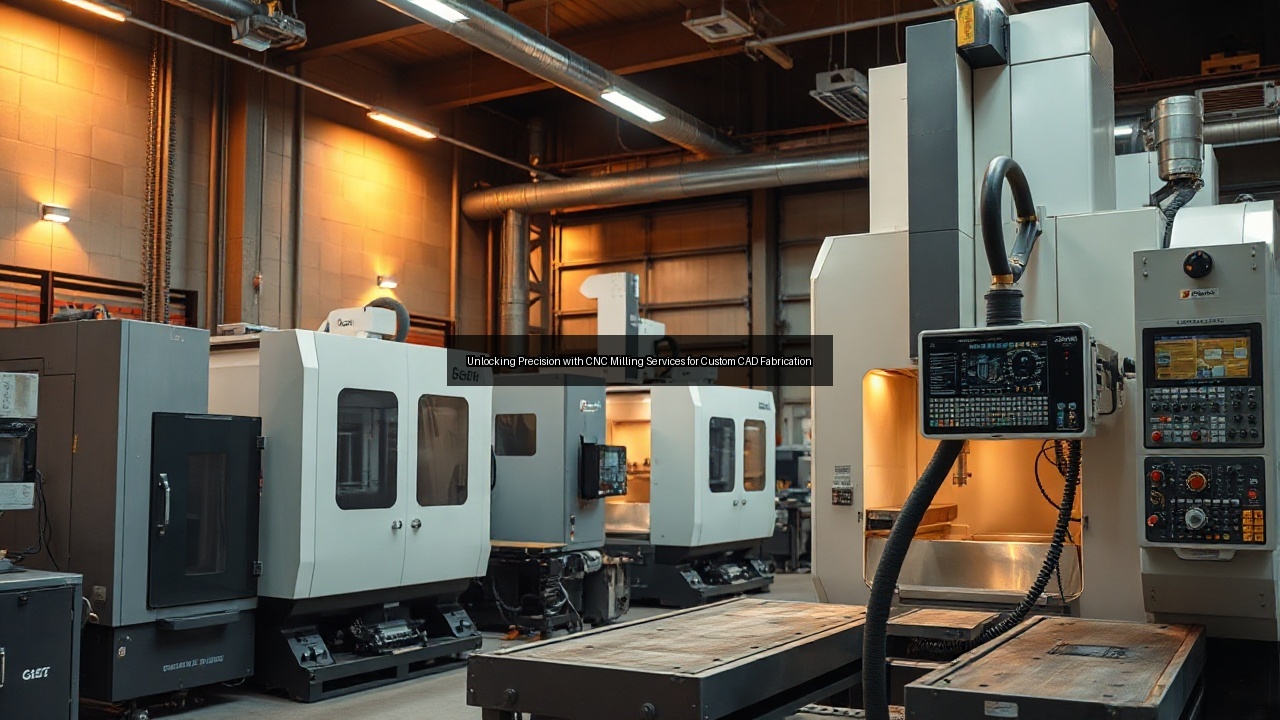
The Importance of CNC Milling Services in Modern Manufacturing
Understanding CNC Technology
CNC milling service relies on computer numerical control to drive cutting tools across multiple axes with exact repeatability. Operators load a cad file into specialized software that converts designs into tool paths, allowing the machine to remove material from stock with micron-level accuracy. This process replaces manual machining and supports complex geometries that traditional methods cannot achieve. CNC machining integrates sensors for real-time feedback, adjusting speeds and feeds to maintain tolerances even on long production runs. Shops combine CNC milling with other cnc machining services to deliver finished components faster than ever before. The technology scales from prototype work to high-volume fabrication service without sacrificing precision or consistency across batches.
Benefits of CNC Milling for Custom CAD Fabrication
CNC milling service converts digital drawings directly into physical parts, eliminating intermediate tooling steps that inflate costs. Fabricators achieve tight tolerances on every cnc machined component, which proves essential when parts must fit together in assemblies. Material waste drops because the process removes only what the cad file specifies. Customers gain flexibility to iterate designs quickly since reprogramming takes minutes rather than days. CNC machining solutions also support both low-volume custom work and repeatable production, giving businesses a single partner for varying project sizes. The result is faster lead times and higher quality than conventional fabrication service routes.
Applications of CNC Milling Across Industries
Engineers in aviation specify CNC milling service for lightweight brackets and housings machined from titanium and aluminum. Consumer electronics manufacturers rely on the same process to produce precise enclosures from polycarbonate and abs that accommodate internal hardware. Medical device companies use cnc machining services to create stainless steel surgical instruments with smooth finishes that pass strict validation. Automotive teams order cnc machined prototypes in hdpe and nylon to test fit and function before committing to molds. Even artists leverage the technology for intricate metal sculptures that demand repeatability across multiple pieces. These diverse sectors all benefit from the speed and accuracy that modern milling service provides.
Materials Used in CNC Milling and Their Properties
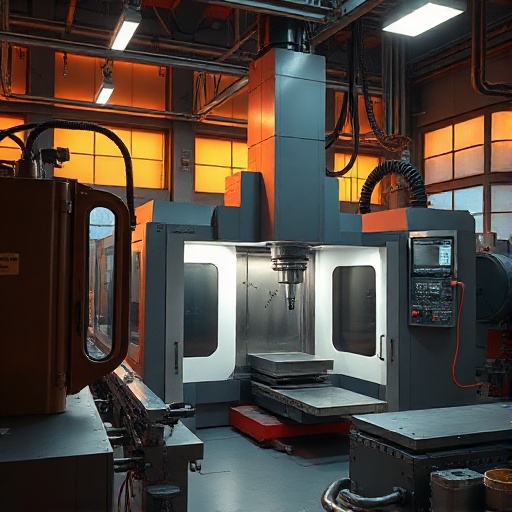
Plastics: The Versatility of Acrylic, PVC, and Polycarbonate
Acrylic machines cleanly under CNC milling service and accepts polishing to optical clarity for display components. PVC offers chemical resistance and remains dimensionally stable, making it suitable for valve bodies and fluid handling parts. Polycarbonate, often abbreviated pc, withstands impact and maintains clarity, which suits protective covers in consumer electronics. Fabricators adjust feed rates and spindle speeds according to each plastic’s density to avoid melting or chipping. CNC machining services routinely produce parts from polypropylene and polystyrene when cost and lightweight properties matter most. These materials allow rapid iteration without the expense of metal tooling.
Metals: Exploring Stainless Steel, Aluminum, and Titanium
Stainless steel delivers corrosion resistance and strength, so CNC milling service frequently produces medical and food-grade hardware from this alloy. Aluminum reduces weight while retaining good machinability, which explains its popularity in aviation and automotive brackets. Titanium combines high strength-to-weight ratio with biocompatibility, though it requires slower speeds during cnc machining to manage heat. Shops also work with copper and iron when conductivity or magnetic properties become critical. Each metal’s density influences tool selection and coolant strategy, ensuring surface finishes meet customer specifications. CNC machining solutions therefore adapt parameters per material to maintain precision across runs.
Special Materials: Teflon, Nylon, and UHMW
Teflon, or ptfe, provides exceptional chemical inertness and low friction, so CNC milling service creates seals and bearings that operate in aggressive environments. Nylon offers toughness and wear resistance for gears and rollers that replace metal in many assemblies. UHMW polyethylene resists abrasion and impact, which makes it ideal for liners and wear strips in material-handling equipment. Fabricators select these specialty plastics when standard options fail to meet performance demands. CNC machined parts from these materials require sharp tooling and controlled chip evacuation to prevent stringing. The versatility of milling service extends to hdpe and abs when additional toughness or impact resistance is needed.
Enhancing Aesthetic and Functional Qualities Through Coating and Plating
Types of Coatings: Powder Coating vs. Anodizing
Powder coating applies a durable polymer layer that protects metal surfaces from scratches and corrosion while offering a wide color range. Anodizing grows an oxide layer on aluminum and titanium, increasing hardness and allowing dye absorption for decorative finishes. CNC milling service shops often send cnc machined parts for these treatments immediately after machining to preserve tight tolerances. Both processes improve longevity without adding significant thickness that could affect fit. Customers choose powder coating for outdoor hardware and anodizing for consumer electronics housings that require a premium appearance. The choice depends on the base material and end-use environment.
Plating Options: Silver, Gold, and Zinc Plating
Silver plating enhances electrical conductivity on copper contacts and connectors produced through CNC milling service. Gold plating resists oxidation and maintains reliable signal integrity in high-end consumer electronics. Zinc plating, also called electroplating, provides sacrificial corrosion protection on steel fasteners and brackets. Fabricators mask critical surfaces before plating to keep dimensions within tolerance. CNC machining services coordinate with plating vendors to ensure parts arrive clean and ready for coating. These finishes extend service life while meeting both functional and cosmetic requirements specified in the original cad file.
The Role of Coatings in Durability and Appearance
Coatings applied after CNC milling service shield parts from moisture, chemicals, and UV exposure that would otherwise degrade performance. Passivation on stainless steel removes free iron and strengthens the natural oxide layer without changing appearance. Zinc plating and powder coating together create a robust barrier for outdoor sheet metal components. Anodizing adds both color and scratch resistance to aluminum aviation parts. Customers notice improved aesthetics alongside measurable gains in wear resistance. Proper coating selection therefore transforms raw cnc machined components into finished products ready for demanding applications.
From CAD Files to Finished Products: The CNC Milling Process
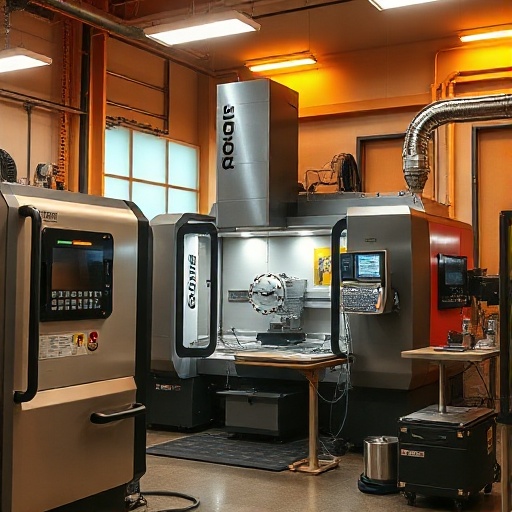
Creating Accurate Drawings for Precision Fabrication
Successful CNC milling service begins with detailed drawings that specify every dimension, tolerance, and surface finish. Engineers export these drawings from cad software and verify them against the three-dimensional model before releasing the cad file to the shop floor. Clear callouts for material type, density, and any required plating prevent miscommunication. CNC machining solutions rely on these drawings to program tool paths that achieve the intended geometry on the first attempt. Review cycles between customer and fabricator catch potential issues early, reducing scrap and rework. Accurate documentation therefore forms the foundation of every high-quality milling service project.
The Importance of Proper Density in Material Selection
Material density directly affects cutting parameters, tool life, and final part weight in CNC milling service. High-density metals such as stainless steel and titanium require robust fixturing and slower feeds to dissipate heat. Lower-density plastics like polypropylene and hdpe cut quickly but demand sharp tools to avoid burrs. Fabricators calculate expected mass from the cad file to confirm the chosen stock matches customer specifications. CNC machining services test sample coupons when density variations could influence structural performance. Matching material properties to the application ensures both machinability and long-term reliability of the finished component.
Laser Cutting and Its Integration with CNC Milling
Laser cut blanks often serve as starting stock for subsequent CNC milling service operations, combining the speed of laser processing with the precision of milling. Thin sheet metal parts receive laser cut profiles first, then move to milling machines for pockets, threads, and critical features. This hybrid workflow reduces overall cycle time while maintaining tight tolerances on every cnc machined edge. CNC machining solutions coordinate laser and milling programs from the same cad file to guarantee alignment. Customers benefit from faster turnaround on complex parts that would otherwise require multiple setups. Integration of these technologies expands the capabilities of modern milling service providers.
Customer-Centric CNC Milling Services: Meeting Diverse Needs
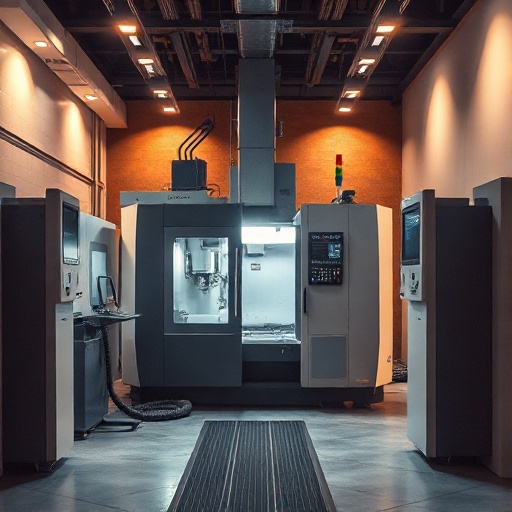
Tailored Solutions for Consumer Electronics
CNC milling service produces compact enclosures, heat sinks, and internal hardware for consumer electronics that demand both precision and attractive finishes. Shops machine polycarbonate and abs housings to accommodate circuit boards while leaving space for connectors and buttons. Anodizing or powder coating adds branding colors and scratch protection without altering critical dimensions. CNC machining services also create prototypes in aluminum and titanium for performance testing before mass production. Close collaboration ensures each part meets electromagnetic shielding and thermal requirements. The result is reliable components that support rapid product development cycles in the electronics sector.
Collaboration with Clients for Custom Designs
Effective CNC milling service starts with open dialogue between engineers and customers to translate ideas into manufacturable geometry. Fabricators review cad file submissions for tool accessibility and suggest design adjustments that maintain creativity while improving machinability. Customers supply drawings that capture functional needs, and the shop recommends material options such as nylon or uhmw when wear resistance matters. Iterative feedback loops refine features before production begins. CNC machining solutions therefore become a partnership that delivers parts exactly as envisioned rather than generic catalog items. This collaborative approach consistently yields superior outcomes.
Ensuring Quality Control in CNC Machined Products
Quality control in CNC milling service encompasses in-process probing, final dimensional inspection, and material certification. Technicians verify that every cnc machined feature matches the original drawings within stated tolerances. Surface finish checks confirm that anodizing or zinc plating meets appearance standards. Shops document density and hardness values for critical metal and plastic components to assure performance. CNC machining services implement statistical process control across production runs to catch deviations early. Customers receive inspection reports alongside parts, providing confidence that each delivery meets or exceeds expectations. Rigorous oversight protects both reputation and end-product reliability.