Unleashing the Power of Spin Forming in Modern Metalworking Techniques
Understanding Spin Forming and Its Importance in Metalworking
Overview of Metal Spinning Techniques
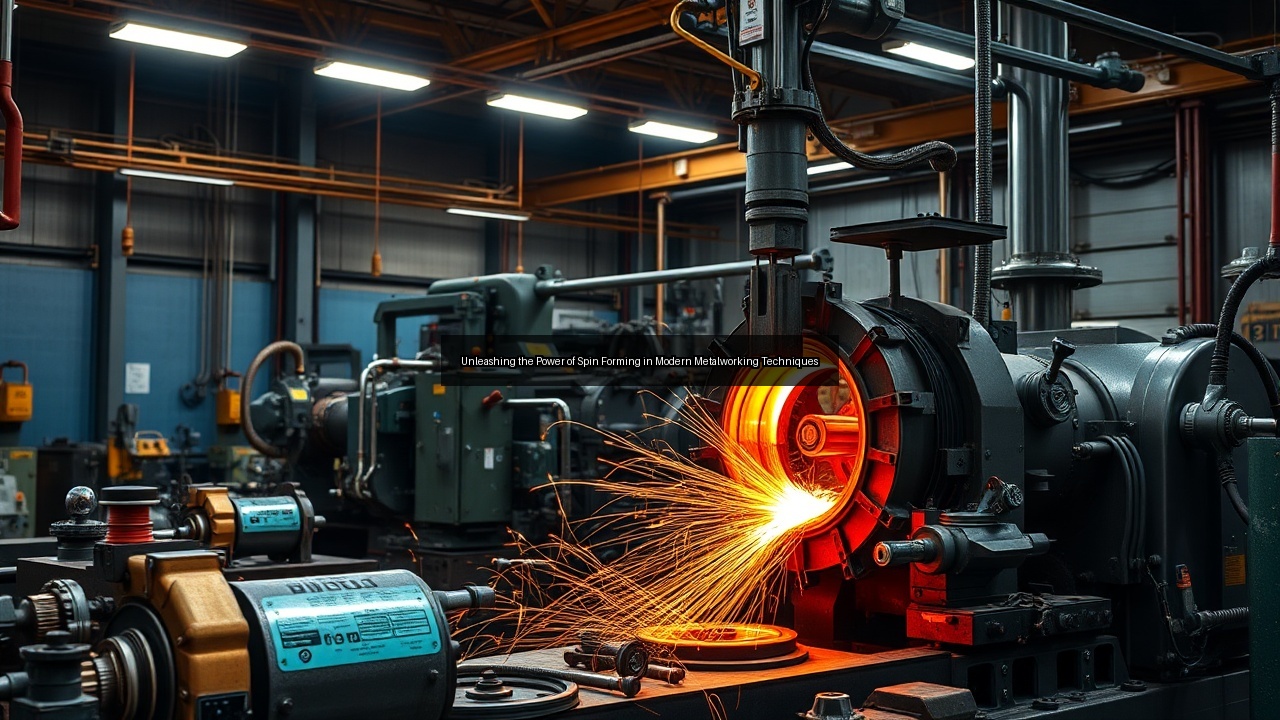
Spin forming stands out as a versatile metalworking process that shapes sheet metal into precise forms using rotational force. Skilled metal spinners rotate a metal disc on a lathe while applying pressure with specialized tools to mold it around a mandrel. This technique, often called metal spinning, excels in creating seamless, symmetrical parts without welds or joints. Shear forming, a subset of spin forming, thins the metal progressively to achieve conical or cylindrical shapes, while conventional spinning maintains thickness for deeper draws. Manufacturers choose spin forming for its ability to handle various metals, from aluminum to steel, producing items like cookware, lighting reflectors, and structural components. Unlike stamping, which requires expensive dies, spin forming adapts quickly to prototypes and small runs. The process minimizes material waste, aligning with efficient forming techniques in modern fabrication. Engineers appreciate how spin forming technology integrates heat for tougher alloys, ensuring high-quality finishes. As industries demand lighter, stronger parts, metal spinning techniques continue to evolve, offering flexibility in design and production.
Role of Metal Spinners in the Industry
Metal spinners drive the success of spin forming by combining craftsmanship with technical expertise in metalworking. These professionals operate complex machinery, adjusting speeds and pressures to form sheet metal without defects. In fabrication shops, metal spinners interpret blueprints, select appropriate mandrels, and monitor the workpiece to prevent cracks or uneven shear. Their role extends beyond operation; they troubleshoot issues like material springback and optimize tool paths for efficiency. In high-stakes sectors like defense, metal spinners ensure parts meet stringent tolerances, contributing to reliable assemblies. Training programs emphasize safety around high-speed lathes and tailstocks, fostering a skilled workforce. Metal spinners also innovate by experimenting with hybrid forming methods, blending spin forming with machining for custom shapes. Their expertise reduces downtime and scrap rates, making them indispensable in competitive manufacturing environments. As automation rises, human metal spinners oversee CNC systems, blending tradition with technology to push spin forming boundaries.
Comparative Analysis: Spin Forming vs. Other Forming Methods
Spin forming offers distinct advantages over traditional forming methods like forging and roll forming in metalworking applications. Forging hammers metal into shape under immense pressure, ideal for strong but bulky parts, yet it generates significant waste and requires heavy equipment. Roll forming, by contrast, bends sheet metal through sequential rollers for long profiles like beams, but struggles with complex curves. Spin forming shines in creating seamless hemispheres or parabolic forms without seams, using less force and tooling than deep drawing. Compared to hydroforming, which uses fluid pressure for intricate tubes, spin forming handles open shapes more economically for prototypes. Stamping produces high volumes quickly but demands costly dies, while spin forming adapts to low-volume runs with minimal setup. In terms of material efficiency, spin forming preserves sheet metal integrity better than explosive forming, avoiding distortions. Manufacturers select spin forming for its versatility across metals, lower energy use, and ability to achieve thin walls via shear. This positions it as a go-to for innovative forming techniques in aerospace and beyond.
The Spin Forming Process: Techniques and Equipment
Essential Components: Lathe, Mandrel, and Tailstock
The lathe forms the backbone of spin forming, rotating the workpiece at high speeds to enable precise metal shaping. Manufacturers mount a sheet metal blank on the lathe, securing it with a mandrel that defines the final form, such as a cone or cylinder. The tailstock applies axial pressure to hold the setup steady, preventing slippage during the intense rotational forces. Together, these components create a stable platform for metal spinners to apply tools, gradually forming the metal without fractures. Lathes vary from manual to CNC models, with modern ones featuring programmable controls for consistent results. Mandrels, often made of steel or wood, come in custom shapes to match design needs, influencing the workpiece volume and flow. Tailstocks include hydraulic systems for adjustable force, essential in shear forming where thinning occurs. Proper alignment of lathe, mandrel, and tailstock ensures smooth operations, reducing vibrations that could mar the surface. This equipment setup underpins efficient forming processes, allowing fabricators to produce high-quality parts in metalworking.
The Role of the Headstock in Spin Forming
The headstock powers the entire spin forming operation by driving the lathe's spindle to spin the mandrel and workpiece at controlled speeds. Positioned at the lathe's front, it houses the motor and gearing system, delivering torque essential for overcoming metal resistance during forming. In metal spinning, the headstock maintains constant rotation, typically between 500 and 2000 RPM, depending on the sheet metal thickness and alloy. Advanced headstocks incorporate variable speed drives for gradual acceleration, preventing defects in delicate parabolic shapes. Metal spinners rely on the headstock's stability to apply consistent pressure via rollers or spoons, shaping the metal seamlessly. Integration with tailstocks creates a balanced system, mimicking a metal lathe tailored for fabrication. Cooling systems in headstocks manage heat from friction, crucial for high-volume production. This component's precision directly impacts the forming technique's outcome, enabling complex geometries without secondary machining. As spin forming technology advances, headstocks evolve with sensors for real-time monitoring, enhancing safety and efficiency in manufacturing.
Machining Techniques Applied in Spin Forming
Machining techniques in spin forming blend rotational forming with precise tool control to sculpt sheet metal into functional parts. Operators start with a blank clamped on the mandrel, then use spinning tools to exert radial and axial forces, thinning the metal in shear forming modes. Rollers follow the contour, gradually stretching the material for shapes like venturi nozzles or hemispheres. CNC integration automates paths, ensuring repeatability in high-precision applications. Heat-assisted spinning softens alloys, allowing deeper draws without tearing, a key technique for titanium in aerospace. Post-forming, light machining refines edges or adds threads on the metal lathe setup. Unlike pure machining, spin forming minimizes chip removal, focusing on plastic deformation for efficiency. Metal spinners adjust techniques based on material flow, avoiding wrinkles through staged pressure. This hybrid approach reduces steps compared to separate forging or roll forming, streamlining the overall process. Innovations like automated tool changers elevate spin forming's role in modern fabrication, delivering superior surface finishes and structural integrity.
Applications of Spin Forming in Modern Manufacturing
Creating Complex Shapes: Hemispheres and Parabolic Forms
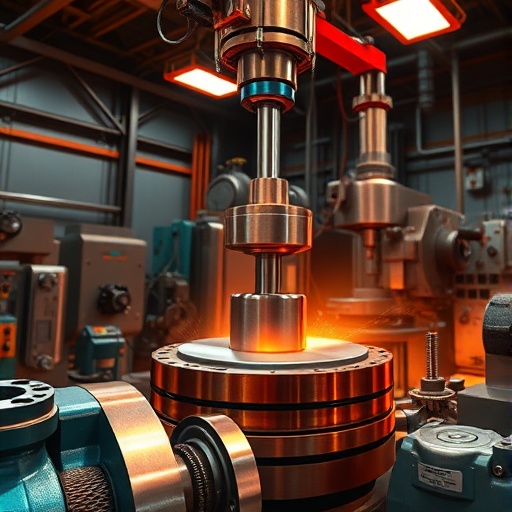
Spin forming excels at crafting complex shapes like hemispheres and parabolic forms, essential for optics and structural components in manufacturing. Starting with a flat sheet metal disc, spinners rotate it against a curved mandrel, forming smooth, seamless domes used in pressure vessels or satellite dishes. Parabolic shapes, vital for reflectors, emerge through controlled shear, where the metal thins uniformly to maintain focal precision. This technique avoids the joints of welded assemblies, enhancing strength and leak-proofing. In lighting industries, spin forming produces parabolic reflectors that direct beams efficiently, outperforming stamped alternatives in durability. Aerospace demands these forms for nose cones, where spin forming achieves thin walls without compromising volume. Material selection influences outcomes; aluminum yields lightweight hemispheres, while steel suits heavy-duty parabolic mirrors. Designers leverage spin forming's flexibility to iterate shapes rapidly, integrating features like flanges during the process. This capability drives innovation in metalworking, enabling custom fabrication that meets exacting standards for form and function.
Innovative Uses: Application in Aerospace and Automotive Industries
Aerospace and automotive industries harness spin forming for lightweight, high-strength components that boost performance and efficiency. In aerospace, manufacturers create fuel tanks and engine nozzles using spin forming, forming seamless metal structures resistant to extreme pressures. Titanium sheets spin into intricate cones, reducing weight while maintaining integrity under supersonic speeds. Automotive applications include exhaust systems and wheel rims, where spin forming shapes sheet metal into durable, aerodynamic forms. This process replaces multi-part welding with single-piece fabrication, cutting assembly time and costs. Electric vehicle sectors adopt spin forming for battery housings, achieving precise parabolic curves for optimal cooling. Metal spinners tailor techniques to alloy properties, ensuring parts withstand vibrations and corrosion. Integration with flow forming enhances wall thickness control for drive shafts, improving torque handling. These innovative uses demonstrate spin forming's adaptability, supporting trends toward sustainable manufacturing with less material use. As demands for customization grow, spin forming solidifies its place in cutting-edge vehicle and aircraft design.
Integration with Other Processes: Hydroforming and Flow Forming
Spin forming integrates seamlessly with hydroforming and flow forming to expand capabilities in complex metal fabrication. Hydroforming uses fluid pressure to shape tubes, often following spin forming to add internal contours to spun preforms like cylindrical bases. This combination produces reinforced structures for piping in chemical plants, blending spin forming's rotational precision with hydroforming's uniform expansion. Flow forming, a variant of spin forming, rollers reduce wall thickness while elongating the workpiece, ideal for high-precision rifle barrels or rocket casings. Manufacturers sequence these processes: spin forming creates the initial shape, then flow forming refines dimensions for tighter tolerances. In automotive, this duo forms lightweight chassis components, merging hydroforming's flexibility with spin forming's seamlessness. Benefits include reduced tooling needs and enhanced material properties through controlled deformation. Metalworking experts optimize sequences to minimize defects, leveraging CNC for synchronized operations. Such integrations elevate forming techniques, enabling hybrid solutions that outperform standalone methods in efficiency and versatility for modern manufacturing challenges.
Design Considerations and Factors in Spin Forming
Understanding Workpiece Volume and Material Selection
Designers prioritize workpiece volume and material selection to maximize spin forming's potential in metalworking. Volume dictates the blank size; larger diameters suit hemispheres, while smaller ones fit intricate venturi shapes, influencing mandrel choice and lathe capacity. Sheet metal thickness ranges from 0.5mm for thin reflectors to 10mm for robust pressure vessels, affecting shear and flow. Aluminum offers easy formability for high-volume runs, whereas stainless steel demands heated spinning to prevent work hardening. Engineers calculate volume conservation, ensuring the final shape retains sufficient metal without excess thinning. Material properties like ductility guide selection—brass excels in decorative parabolic forms, titanium in aerospace for its strength-to-weight ratio. Surface finish requirements influence alloys; polished metals reduce post-machining. By simulating deformation, designers avoid issues like earing or cracking, optimizing for efficient production. This thoughtful approach ensures spin forming delivers durable, precise parts tailored to application needs, balancing aesthetics with functionality in fabrication.
Cost Analysis: Benefits of Spin Forming over Traditional Methods
Spin forming delivers substantial cost savings over traditional methods like forging or stamping in metal fabrication. Tooling costs plummet since mandrels cost a fraction of forging dies, enabling quick prototypes without massive upfront investments. Production runs benefit from low setup times; a single lathe setup handles multiple shapes, unlike roll forming's rigid lines. Material efficiency shines—spin forming wastes less than 5% of sheet metal, compared to forging's 20-30% scrap. Labor costs stabilize with skilled metal spinners operating versatile equipment, reducing the need for specialized presses. In high-volume scenarios, spin forming matches stamping speeds while offering customization absent in rigid processes. Energy use drops due to rotational forming's lower force requirements versus hydraulic forging. Lifecycle analysis reveals lower maintenance for spun parts' seamless design, minimizing repairs. For small batches, spin forming's flexibility cuts inventory costs by enabling on-demand production. Overall, these benefits position spin forming as a cost-effective choice, driving ROI in competitive manufacturing landscapes.
Designing for Efficiency: Importance of Shape and Flow
Efficient design in spin forming hinges on optimizing shape and material flow to streamline production and enhance part quality. Symmetrical shapes like cones facilitate even deformation, reducing tool wear and cycle times on the lathe. Designers incorporate gradual radii to guide metal flow, preventing tears in shear forming. Flow analysis via software predicts strain distribution, ensuring uniform thickness in parabolic sections. Avoiding sharp angles minimizes springback, a common issue in complex geometries. Integration of features like beads strengthens shapes without added weight, improving efficiency in automotive applications. Material flow improves with lubricated tools, allowing deeper draws in one pass. Shape complexity must balance with equipment limits; oversized volumes strain tailstocks, so modular designs split assemblies. Prototyping refines these elements, cutting iterations. By emphasizing shape and flow, engineers achieve faster throughput, lower defects, and versatile fabrication, making spin forming a powerhouse for innovative metalworking designs.
Future Trends and Innovations in Spin Forming Technology
Emerging Technologies: Composites in Spin Forming
Emerging technologies blend composites with spin forming to revolutionize metalworking for hybrid structures. Traditional sheet metal pairs with carbon fiber reinforcements during spinning, creating lightweight panels for drones or vehicles. Mandrels incorporate composite layers, allowing spinners to form metal over polymer cores for insulated shapes like parabolic antennas. This fusion enhances strength while slashing weight, critical in aerospace. Advanced resins withstand spinning heat, enabling seamless integration without delamination. CNC lathes automate composite-metal bonding, ensuring precise flow in hybrid workpieces. Research explores metal matrix composites, where spin forming embeds particles for superior wear resistance in tools. Sustainability gains from reduced metal use, aligning with green manufacturing. Challenges like thermal expansion differences drive innovations in adhesives and processes. As composites evolve, spin forming technology adapts, opening doors to multifunctional parts that outperform pure metals in durability and efficiency.
Sustainability in Metalworking: The Role of Spin Forming
Spin forming plays a pivotal role in sustainable metalworking by minimizing waste and energy in fabrication. Unlike forging's high-heat processes, spinning deforms sheet metal at ambient temperatures for many alloys, cutting emissions by up to 40%. Seamless designs eliminate welds, reducing material needs and extending part lifespans in applications like automotive exhausts. Recyclable mandrels and tools lower disposal impacts, while efficient forming techniques preserve resources. Manufacturers adopt water-based lubricants over oils, further greening operations. Spin forming supports circular economies by enabling repairs on spun components, avoiding full replacements. In volume production, its low scrap rates conserve metals like aluminum, vital for resource-scarce futures. Integration with renewable energy-powered lathes amplifies eco-benefits. As regulations tighten, spin forming's adaptability positions it as a leader in sustainable practices, fostering innovation without compromising quality or speed in modern manufacturing.
Exploring the Intersection of Spin Forming and Digital Manufacturing
Digital manufacturing intersects with spin forming through AI and simulation, transforming traditional metalworking into smart production. Finite element analysis software models metal flow before spinning, predicting defects in complex shapes like hemispheres. CNC upgrades on lathes enable real-time adjustments, optimizing paths for variable workpiece volumes. Additive manufacturing complements by 3D-printing custom mandrels, accelerating prototyping. IoT sensors monitor headstock performance, predicting maintenance to minimize downtime. Digital twins virtualize the entire forming process, allowing remote tweaks by metal spinners. Blockchain tracks material provenance, ensuring compliance in aerospace. Augmented reality guides operators, enhancing precision in shear forming. These tools boost efficiency, reducing costs and errors in high-stakes fabrication. As Industry 4.0 advances, spin forming technology embraces digital realms, unlocking scalable, data-driven innovations for future manufacturing demands.