Understanding Wire Forming Tolerances for High-Quality Outputs
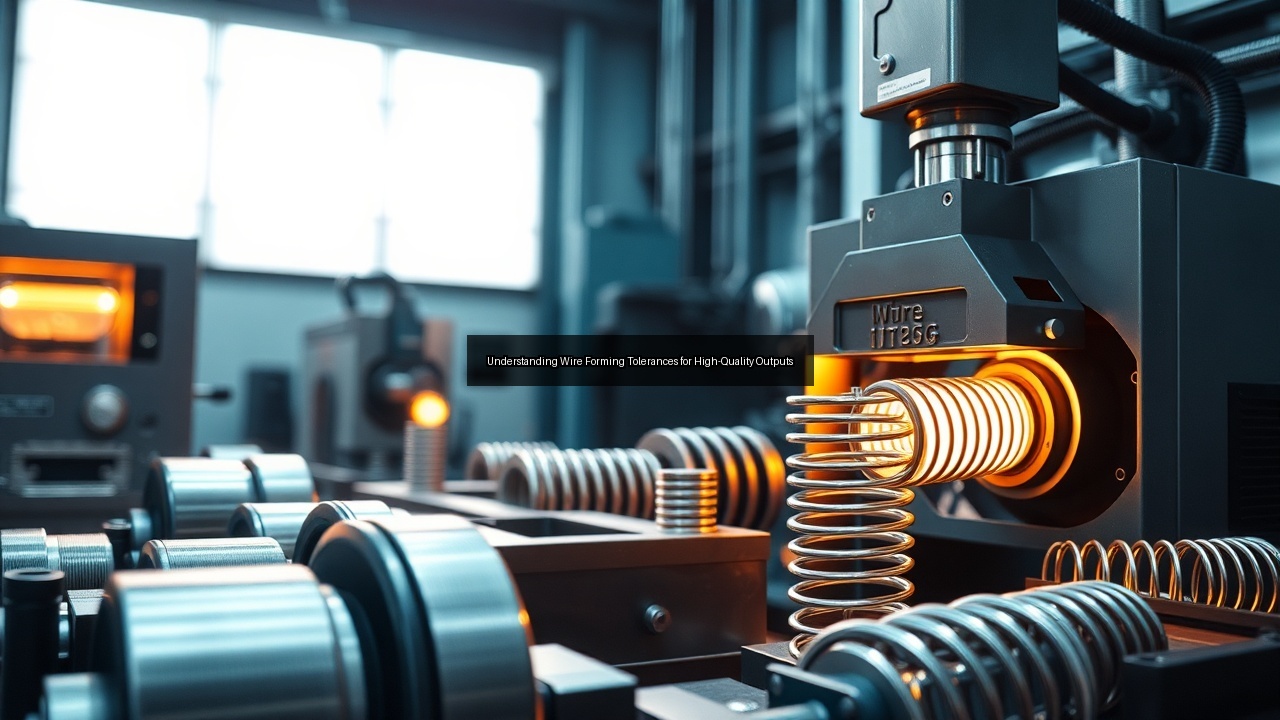
The Basics of Wire Forming Tolerances
Understanding Tolerances in Wire Forming
Wire forming demands precise control over every dimension to deliver consistent results. Tolerances define the acceptable range for variations in shape and size during production. Engineers rely on these limits to ensure formed wire meets exact specifications without compromising strength or function. When tolerances tighten around the diameter of each wire, manufacturers achieve superior alignment in complex bends and curves. Clear information on tolerance standards guides machine operators through adjustments that prevent defects in the final product. Wire forming processes benefit directly from documented tolerances because they reduce waste and speed up quality checks. Teams review drawings to confirm that every coil and bend stays within approved ranges before moving to full runs.
Importance of Diameter in Wire Forming
Diameter plays a central role in wire forming because it influences how material responds to bending forces and stress. Consistent diameter measurements allow machines to produce uniform formed wire across large batches. Variations beyond set tolerances often lead to weak points that fail under load in applications like coil springs. Manufacturers measure diameter at multiple stages to maintain control and avoid costly rework. Steel wire with accurate diameter supports tighter bends without cracking, while stainless steel requires even stricter monitoring due to its hardness. Proper diameter management improves overall wire forming capabilities and supports reliable threading operations on finished parts. This focus on diameter helps brands deliver high-quality wire forms that perform as intended in demanding environments.
Common Tolerances for Wire Shapes
Common tolerances for wire shapes cover bend angles, lengths, and radii that appear in everyday production. These standards ensure that wire forming processes create repeatable results whether the output involves simple hooks or intricate wire formed assemblies. Operators adjust machines to hold tolerances within fractions of a millimeter for critical features. Coil and extrusion methods both depend on these limits to avoid distortion during forming. Information from engineering drawings helps teams verify that each wire shape stays inside approved ranges before shipment. Tight tolerances on shapes reduce assembly issues later and enhance the durability of finished components. Wire forming services often publish their tolerance capabilities so clients can select the right partner for precision work.
Wire Forming Methods and Processes
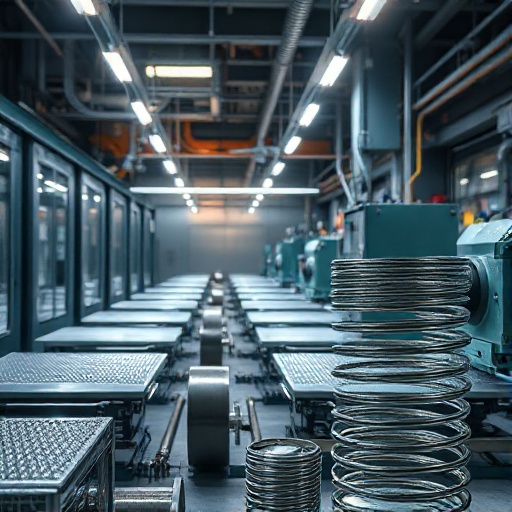
Overview of Wire Forming Techniques
Wire forming techniques include bending, cutting, and shaping operations that transform straight stock into functional parts. Each method requires careful tolerance planning to maintain quality across runs. Operators use dedicated machines that apply force at controlled points to create consistent bends in steel or stainless steel wire. Prototyping helps teams test new designs quickly and confirm that tolerances hold before scaling production. Wire forming processes also incorporate threading when parts need attachment points. The choice of technique affects how well the final formed wire meets diameter and shape requirements. Manufacturers document every step to provide clear information on capabilities and expected outcomes for clients across industries.
Prototyping in Wire Forming
Prototyping in wire forming lets engineers validate designs before committing to full production runs. Teams create sample parts on flexible machines to check tolerances on diameter, bend radii, and overall geometry. This step reveals whether a particular wire forming method can achieve the needed precision without material failure. Stainless steel prototypes often undergo extra testing because the material resists deformation more than standard steel. Data from prototypes guides adjustments to computer numerical control programs that drive later production. Successful prototyping reduces risk and ensures the final wire forms meet all tolerance specifications. Brands that invest in thorough prototyping deliver higher quality outputs and faster turnaround on custom orders.
Extrusion vs. Other Wire Forming Processes
Extrusion pushes material through a die to create continuous profiles, yet it differs from typical wire forming processes that rely on bending and cutting. Wire forming methods focus on shaping pre-drawn wires into specific geometries while holding tight tolerances on every feature. Extrusion suits long runs of uniform sections but offers less flexibility for complex coils or threaded ends. Manufacturers compare both approaches when planning parts that combine straight sections with formed bends. Steel and stainless steel respond differently under each process, affecting final diameter consistency. Clear tolerance requirements help teams decide between extrusion and traditional wire forming techniques. The right choice improves efficiency and ensures the finished wire forms perform reliably in their intended applications.
Material Considerations in Wire Forming
Choosing the Right Materials: Stainless Steel and Steel
Stainless steel and steel remain the most common materials for wire forming because they offer strength, corrosion resistance, and workability. Stainless steel maintains tight tolerances even after repeated bending, making it ideal for parts exposed to harsh conditions. Standard steel provides cost-effective options when extreme durability is not required. Diameter consistency in both materials depends on the grade selected and the wire forming machine settings. Engineers review material certifications to confirm that incoming stock will hold required tolerances during coil production. The right material choice directly impacts how well formed wire withstands stress and maintains shape over time. Suppliers provide detailed information on each alloy to support accurate tolerance planning from the start.
Impact of Material Properties on Tolerances
Material properties such as hardness and elasticity determine how closely tolerances can be held during wire forming. Stainless steel resists springback better than softer steel grades, allowing tighter control over final shapes and diameters. Coil springs made from high-carbon steel need specific tolerance ranges to deliver consistent force output. Operators adjust machine parameters based on these properties to prevent cracking or unwanted deformation. Wire forming capabilities improve when teams match material characteristics to the required tolerances listed on engineering drawings. Understanding these interactions helps manufacturers avoid defects and produce reliable wire forms across different applications. Proper material selection supports both precision and long-term performance in finished components.
Coil Springs and Their Applications
Coil springs represent a major application of wire forming where tolerances on diameter and pitch directly affect performance. Manufacturers form high-quality steel or stainless steel wire into coils that absorb shock or maintain tension in assemblies. Each coil must meet exact specifications to ensure uniform compression and extension cycles. Wire forming processes for springs include precise winding on computer numerical control machines that hold tight tolerances throughout production. Prototyping verifies spring rate before full runs begin. Industries rely on these formed wire components for everything from automotive suspensions to industrial equipment. Accurate tolerances in coil springs prevent premature failure and support safe, reliable operation in critical systems.
Applications of Wire Forming in Various Industries
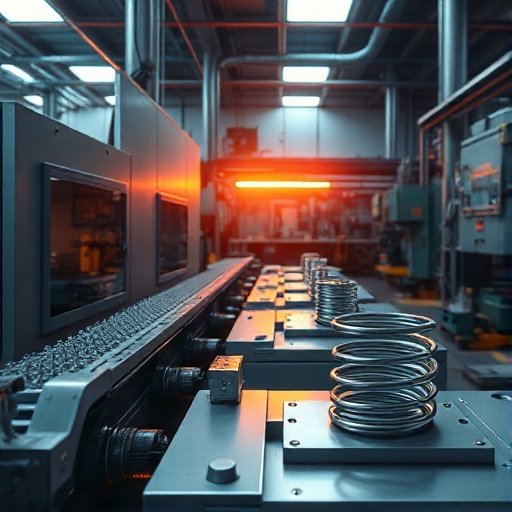
Wire Forming in Aerospace Engineering
Wire forming in aerospace engineering requires the highest tolerance standards because parts operate under extreme conditions. Components such as brackets, guards, and fasteners made from stainless steel wire must maintain exact diameters and shapes to fit complex assemblies. Aerospace teams use computer numerical control machines to produce formed wire with repeatable precision. Every drawing includes strict tolerance limits that guide production and inspection. Wire forming services serving this sector document their capabilities to meet certification requirements. The resulting parts contribute to overall system safety and performance. Engineering teams review material properties and process controls to confirm that each wire form meets aerospace-grade expectations without deviation.
The Role of Computer Numerical Control (CNC) in Wire Forming
Computer numerical control systems drive modern wire forming machines with programmed instructions that maintain tight tolerances on every bend and cut. CNC technology allows operators to replicate complex wire shapes across thousands of parts without variation in diameter or geometry. This precision supports prototyping and full production alike. Engineers upload drawings directly into the control software to guide the machine through each step. Stainless steel and steel wire both respond well to CNC-driven processes when parameters match material properties. The result is consistent wire forms that meet customer specifications on the first attempt. CNC integration improves efficiency and reduces human error in high-volume wire forming operations.
Wire Forming Services Across Different Sectors
Wire forming services supply custom parts to automotive, medical, construction, and consumer goods sectors. Each industry brings unique tolerance requirements for diameter, length, and bend accuracy. Providers use a range of machines to handle steel, stainless steel, and specialty alloys while meeting those standards. Clients receive formed wire components ready for assembly after thorough quality checks against engineering drawings. Services that offer prototyping help customers refine designs before committing to larger orders. Clear communication of capabilities ensures the right wire forming process is selected for each application. These partnerships deliver reliable outputs that support innovation across multiple markets.
The Future of Wire Forming Technology
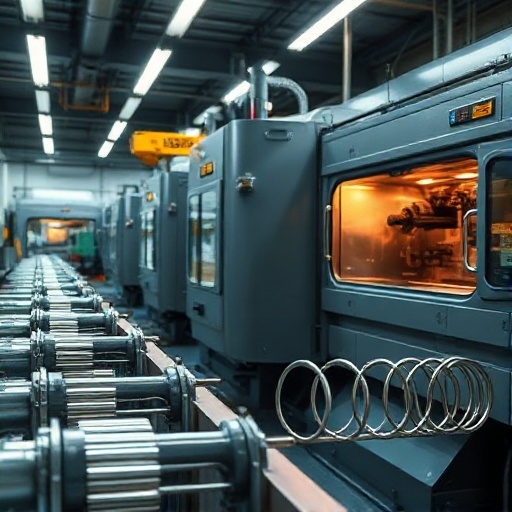
Innovations in Wire Forming Machines
Innovations in wire forming machines focus on faster cycle times and tighter tolerance control through advanced sensors and automation. New models integrate real-time monitoring that alerts operators to diameter shifts before parts fall out of specification. Brands invest in these upgrades to expand their wire forming capabilities and serve more demanding clients. Machines now handle complex threading and multi-plane bends with greater accuracy than earlier generations. Stainless steel wire benefits especially from improved force control that reduces material stress. Continued development promises even higher precision in coil and extrusion operations. These advances position wire forming as a competitive manufacturing option for precision components.
Sustainable Practices in Wire Forming
Sustainable practices in wire forming emphasize material efficiency and waste reduction while preserving tolerance quality. Manufacturers recycle scrap steel and stainless steel to lower raw material demand. Optimized machine settings reduce energy use during long production runs without sacrificing diameter consistency or bend accuracy. Wire forming processes that minimize setup scrap support both cost savings and environmental goals. Companies share information on sustainable methods to help clients choose responsible suppliers. Coil springs and other formed wire parts produced under these practices maintain full performance standards. The industry continues to adopt greener approaches that align with broader manufacturing trends.
The Impact of Technology on Wire Forming Capabilities
Technology continues to expand wire forming capabilities through software improvements and sensor integration that tighten tolerances further. Advanced computer numerical control platforms allow rapid program changes for new designs without lengthy setup. Engineers use simulation tools to predict how different wire diameters and materials will behave under forming forces. These tools shorten prototyping cycles and improve first-pass yield on production parts. Aerospace and other high-reliability sectors gain from the enhanced precision now available. Overall, technology drives higher quality in wire forms while lowering costs. Manufacturers that adopt these tools strengthen their position in competitive markets.
See Also
- Mastering Wire Forming Techniques for Precision Engineering Projects
- A Deep Dive into Wire Drawing Techniques and Their Impact on Forming
- The Evolution of Wire Forming in Aerospace Applications
- Innovative Wire Shapes and Their Applications in Modern Manufacturing
- How Computer Numerical Control Revolutionizes Wire Forming Processes