Understanding the Different Types of Nondestructive Test Services
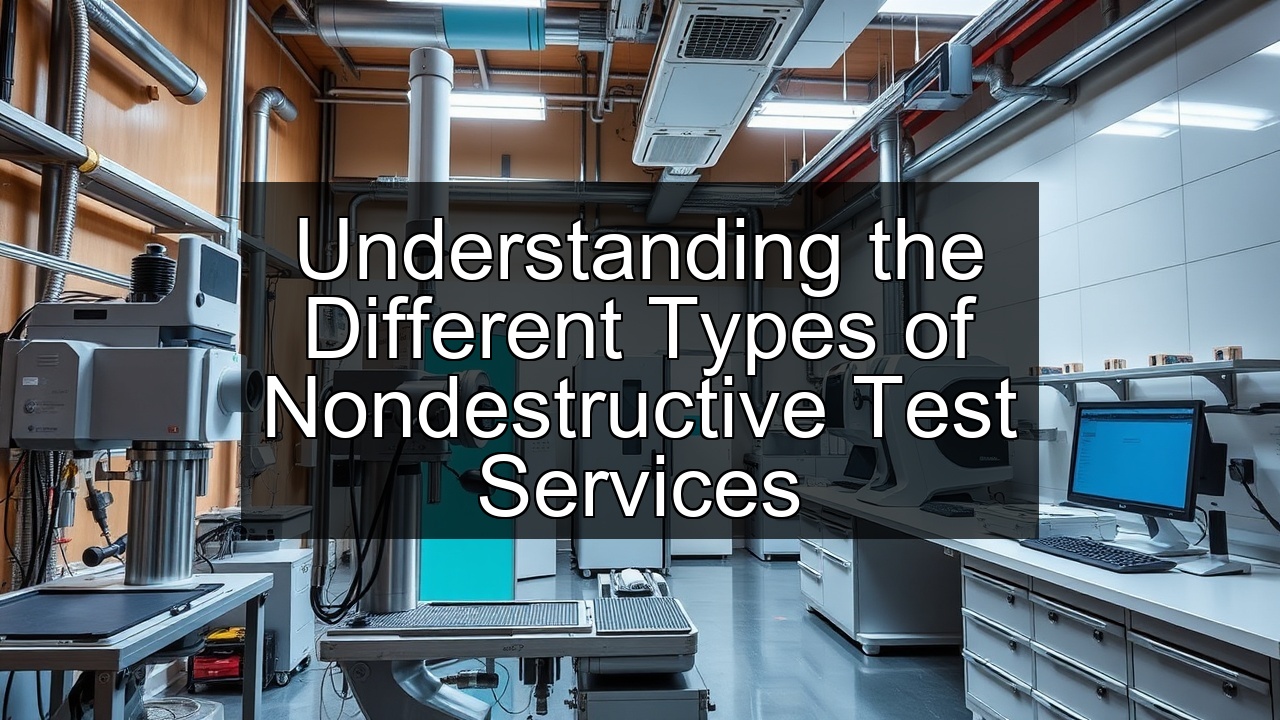
Overview of Nondestructive Testing Services
What is Nondestructive Testing (NDT)?
Nondestructive testing (NDT) encompasses a variety of techniques designed to evaluate the properties of materials, components, or assemblies without causing any damage. The primary goal of NDT is to ensure safety, reliability, and quality in various industries, such as oil and gas, aerospace, and manufacturing. Unlike destructive testing, which compromises the integrity of the material being tested, NDT allows for repeated inspections and assessments throughout the lifespan of a product or structure. This makes NDT an invaluable tool for engineers non destructive inspection services and quality assurance professionals striving for excellence in safety and performance.
Importance of NDT in Various Industries
Nondestructive testing services play a critical role across multiple sectors. In the oil and gas industry, for example, NDT ensures the integrity of pipelines and drilling equipment, preventing potentially catastrophic accidents. In the aerospace sector, rigorous inspections of aircraft components safeguard passenger safety. Similarly, in manufacturing, NDT maintains quality control, ensuring that products meet established specifications. The flexibility of NDT methods allows for their application in diverse environments, from laboratories to remote field locations, making them essential for quality assurance in today’s complex industrial landscape.
Key Benefits of Nondestructive Testing
Nondestructive testing offers numerous advantages that enhance operational efficiency and safety. First, it minimizes downtime. Most NDT techniques can be performed quickly, allowing for immediate results and minimizing the impact on production schedules. Second, NDT contributes to cost savings by identifying defects early, reducing the potential for expensive repairs or replacements later. Third, it promotes safety by ensuring that components and structures meet necessary standards. Lastly, NDT supports compliance with regulatory requirements and industry standards, which is crucial for companies operating in highly regulated environments, such as the Gulf region's oil and gas sector.
Types of Nondestructive Testing Methods
Visual Inspection
Visual inspection remains one of the simplest yet most effective nondestructive testing methods. Trained inspectors examine surfaces for signs of defects, corrosion, or wear. This method requires minimal equipment and can be performed quickly, making it a cost-effective option for initial evaluations. Visual inspections can be enhanced with tools such as magnifying glasses and borescopes, which allow for detailed examinations of hard-to-reach areas. While visual inspection cannot detect subsurface flaws, it serves as a vital first step in the NDT process, guiding more advanced testing methods when necessary.
Ultrasonic Testing
Ultrasonic testing (UT) employs high-frequency sound waves to detect internal flaws in materials. This method is particularly useful for evaluating welds, detecting cracks, and measuring thickness in metals and composites. An ultrasonic transducer emits sound waves that travel through the material and reflect back when they encounter a flaw. The data collected helps technicians assess the integrity of the component. UT is widely used in industries such as aerospace and manufacturing due to its accuracy and versatility. Advanced NDT laboratories frequently utilize ultrasonic testing to ensure compliance with industry standards and improve safety measures.
Radiographic Testing
Radiographic testing (RT) uses X-rays or gamma rays to create images of the internal structure of materials. This method identifies defects such as voids, inclusions, and cracks without damaging the test subject. RT is particularly valuable in industries like oil and gas, where large components require thorough inspection. Though RT provides detailed images, it also requires specialized equipment and safety protocols to protect technicians from radiation exposure. Many NDT providers offer radiographic testing as part of their comprehensive nondestructive testing services, ensuring that companies meet stringent safety regulations.
Magnetic Particle Testing
Magnetic particle testing (MPT) is a method used to detect surface and near-surface defects in ferromagnetic materials. This technique involves magnetizing the object and applying ferrous particles that adhere to areas of flux leakage caused by defects. MPT is commonly used in applications involving welders and structural components, particularly in the automotive and aerospace industries. The process is relatively quick and provides immediate results, making it an essential tool for ensuring the structural integrity of critical components. NDT providers often incorporate MPT into their service offerings to provide comprehensive inspection solutions.
Liquid Penetrant Testing
Liquid penetrant testing (LPT) identifies surface defects by applying a liquid dye that seeps into cracks and voids. After a dwell time, the excess penetrant is removed, and a developer is applied, drawing the penetrant back to the surface for visualization. LPT is highly effective for detecting small surface flaws in non-porous materials, making it a popular choice in industries such as manufacturing and aerospace. This method is cost-effective and easy to perform, allowing technicians to conduct thorough inspections without extensive training. Many NDT laboratories provide LPT as part of their nondestructive inspection services.
Applications of Nondestructive Testing
NDT in Oil and Gas Industry
Nondestructive testing services are crucial in the oil and gas industry, where safety and reliability are paramount. NDT methods like ultrasonic testing and radiographic testing are employed to inspect pipelines, storage tanks, and drilling equipment for defects. By identifying issues such as corrosion and weld failures early, companies can prevent leaks and catastrophic failures. Regular inspections help maintain compliance with safety regulations and protect the environment from potential hazards. Many NDT providers specialize in serving the oil and gas sector, offering tailored solutions to meet industry-specific needs.
NDT for Infrastructure Maintenance
Infrastructure maintenance relies heavily on nondestructive testing to ensure the safety and longevity of structures such as bridges, roads, and buildings. Techniques like visual inspection and ultrasonic testing help identify structural weaknesses caused by wear, corrosion, or fatigue. Regular NDT inspections allow for timely maintenance, minimizing the risk of catastrophic failures. Cities and municipalities increasingly turn to NDT providers to safeguard public safety and extend the lifespan of critical infrastructure. The proactive approach of using nondestructive testing services enhances the resilience of urban environments.
Corrosion Detection and Evaluation
Corrosion detection plays a vital role in maintaining the integrity of materials, particularly in industries exposed to harsh environments. Nondestructive testing methods such as ultrasonic testing and magnetic particle testing are commonly used to evaluate the extent of corrosion in components and structures. Early detection allows for timely repairs, preventing costly failures. In environments like the Gulf region, where corrosion rates may be higher, routine evaluations become essential. NDT companies provide specialized corrosion assessment services, helping organizations protect their assets and ensure safety.
Role of NDT in Metallurgy and Welding
In metallurgy and welding, nondestructive testing ensures the quality and safety of welded joints and metal components. Flaws such as incomplete fusion, cracks, and porosity can compromise the mechanical properties of materials. NDT methods like radiographic testing and ultrasonic testing are routinely employed to assess weld integrity and detect defects. Welders rely on these inspections to maintain high-quality standards and ensure compliance with industry regulations. NDT services in this sector help bolster the overall reliability of metal products, fostering trust among manufacturers and consumers alike.
Choosing the Right NDT Provider
Qualities of a Reliable NDT Company
Selecting the right nondestructive testing provider is critical for ensuring accurate evaluations and compliance with industry standards. A reliable NDT company should possess certifications from recognized organizations, demonstrating adherence to best practices in inspection techniques. Experienced technicians with specialized training contribute to the quality of the services offered. Additionally, a commitment to advanced NDT technologies and continuous improvement sets top providers apart. Companies should look for NDT providers with a strong reputation in their field, ensuring high-quality, consistent results for their nondestructive inspection needs.
Evaluating NDT Services and Solutions
When evaluating NDT services, consider the range of techniques offered and the provider's ability to tailor solutions to specific needs. A comprehensive NDT firm should offer various inspection methods, such as ultrasonic testing, radiographic testing, and visual inspections, to address diverse applications. Furthermore, it’s essential to assess the provider's turnaround times and reporting capabilities. Timely results and clear, detailed reports facilitate informed decision-making. Engaging with an NDT provider that prioritizes customer service and transparency fosters a collaborative relationship, ensuring that inspections align with client expectations.
Importance of Compliance and Privacy in NDT
Compliance with industry regulations is vital in nondestructive testing. NDT providers must adhere to standards set by organizations such as the American Society for Nondestructive Testing (ASNT) and the International Organization for Standardization (ISO). These regulations ensure that inspections are conducted safely and effectively. Additionally, privacy concerns arise when testing sensitive or proprietary materials. A reputable NDT company should prioritize client confidentiality and implement measures to protect sensitive information throughout the testing process. Choosing a provider that values compliance and privacy solidifies trust and enhances the overall quality of nondestructive testing services.