Understanding the Costs of Gearbox Rebuild Services and What to Expect
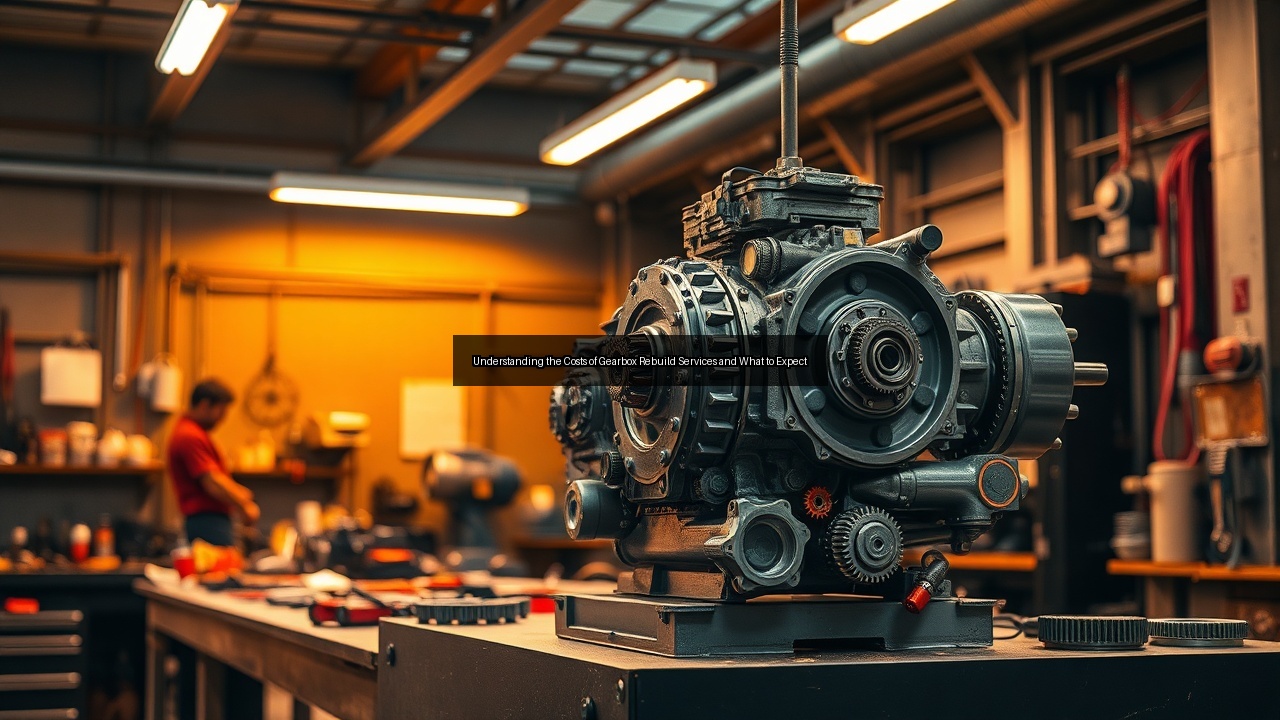
Introduction to Gearbox Rebuild Services
Understanding Gearboxes and Their Importance
Gearboxes form the core of power transmission in industrial machinery, vehicles, and marine applications. They convert engine torque into usable force while managing speed ratios through precise gears and gearing systems. A well-maintained gearbox ensures smooth operation across reduction gearboxes and heavy-duty transmissions. Without reliable performance from these components, equipment experiences rapid wear and inconsistent output. Companies rely on gearboxes to handle varying loads and maintain efficiency in production lines. Proper understanding of their design helps operators recognize early signs of trouble before complete failure occurs.
Regular attention to gearbox health prevents unexpected breakdowns that halt operations. Transmission systems depend on accurate gear meshing to deliver consistent power. When gearboxes operate under stress, they support critical tasks from conveyor drives to wind turbines. Investing time in learning how these units function pays off through extended service life and reduced repair frequency.
Common Reasons for Gearbox Failures
Gearbox failures often stem from contamination, overload, and inadequate lubrication. Dirt and metal particles accelerate wear on gears and bearings inside the housing. Over time, these contaminants create scoring and pitting that compromise the entire assembly. Excessive torque from mismatched loads forces components beyond design limits, leading to cracked housings or stripped teeth. Operators notice vibration spikes and unusual noises as early indicators of impending issues.
Thermal stress also plays a major role when cooling systems fail or oil temperatures rise unchecked. Root cause analysis during inspections frequently reveals misalignment or improper installation as contributors. Addressing these problems promptly avoids cascading damage that turns minor faults into full replacements. Understanding failure patterns allows teams to schedule interventions before downtime escalates costs.
Overview of Gearbox Rebuild Process
A gearbox rebuild begins with complete disassembly and thorough cleaning of all internal parts. Technicians document each component's condition before proceeding with repairs. The process includes replacing worn gears, seals, and bearings while restoring machined surfaces to original tolerances. Reverse engineering comes into play when OEM parts prove unavailable for older models. Machining restores shafts and housings that show scoring or distortion from extended use.
After reassembly, the unit undergoes testing under load to verify performance. This structured approach distinguishes a quality gearbox rebuild from superficial fixes. Companies that follow detailed procedures achieve reliable results and extend equipment life significantly. The rebuild restores functionality while incorporating upgrades that address original weaknesses.
Cost Factors in Gearbox Rebuilds
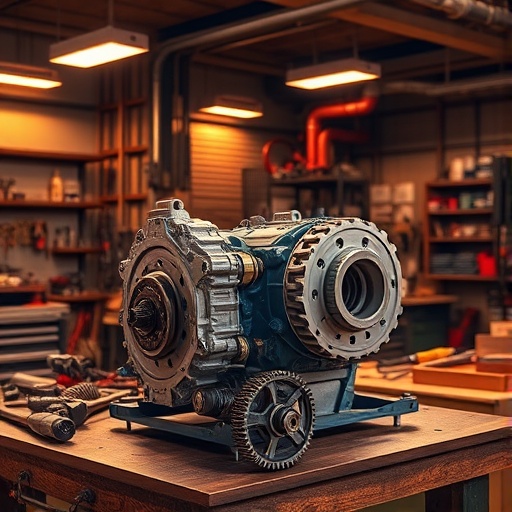
Labor Costs: What to Expect
Labor represents one of the largest expenses in any gearbox rebuild. Skilled technicians spend hours on disassembly, inspection, and reassembly of complex transmission components. Rates vary by region and shop expertise, with specialized facilities charging premium fees for experienced staff. The time required depends on gearbox size, accessibility, and extent of damage discovered during teardown. Thorough work prevents repeat failures but increases initial investment.
Shops that employ certified personnel deliver consistent outcomes across reduction gearbox projects. Customers should request detailed labor estimates upfront to avoid surprises. Efficient teams reduce overall hours through organized workflows while maintaining high standards. Labor investment directly correlates with final reliability after the gearbox returns to service.
Parts and Materials: Quality vs. Cost
Parts selection dramatically influences total gearbox rebuild expenses. OEM components provide exact fitment but carry higher price tags than aftermarket alternatives. High-quality bearings, seals, and gears resist wear better under demanding conditions. Budget options may reduce upfront costs yet lead to premature failures that require additional repairs. Material grades matter especially in high-torque applications where strength determines longevity.
Balancing quality against cost requires evaluation of operating conditions and expected runtime. Suppliers that stock both tiers help customers match parts to specific needs. Using upgraded materials during a gearbox rebuild often offsets higher initial spending through fewer interruptions later. Informed choices protect the overall investment in repair and maintenance.
Additional Costs: Machining and Reverse Engineering
Machining services add measurable expense when worn surfaces require restoration rather than simple replacement. Precision grinding and boring return shafts and bores to proper dimensions. Reverse engineering becomes necessary for obsolete gearboxes lacking current documentation or available spares. These specialized tasks demand skilled machinists and equipment that few general repair shops maintain.
Companies facing unique gearbox designs benefit from facilities equipped for custom work. The added cost yields a functional unit that would otherwise demand full replacement. Transparent quoting for machining and engineering prevents budget overruns during the rebuild. These steps often prove essential for maintaining production schedules without sourcing entirely new equipment.
What to Expect During a Gearbox Overhaul
Inspection and Failure Analysis
Every gearbox overhaul starts with detailed inspection of all internal elements. Technicians measure gear backlash, bearing clearances, and shaft runout against manufacturer specifications. Failure analysis identifies root causes such as lubrication breakdown or misalignment that triggered the current condition. Photographic documentation and written reports provide customers with clear evidence of discovered issues.
This phase determines which components need replacement versus repair. Thorough inspection uncovers hidden damage that surface checks miss. Accurate analysis guides decisions that improve long-term performance after the gearbox returns to operation. Shops that prioritize this step deliver rebuilds with fewer follow-up problems.
Preventative Maintenance Considerations
Preventative maintenance extends intervals between gearbox rebuilds when implemented consistently. Oil analysis detects wear metals and contamination before they cause severe damage. Scheduled filter changes and level checks maintain proper lubrication throughout service life. Operators who track vibration trends catch developing issues early enough for minor corrections instead of major overhauls.
Integrating these practices into routine operations reduces overall repair frequency. Maintenance logs help technicians understand usage patterns that influence rebuild scope. Companies gain better control over costs by addressing small concerns during regular service rather than waiting for failure. Consistent attention keeps gearboxes operating at peak efficiency.
Testing and Quality Assurance
Quality assurance during gearbox overhaul includes no-load spin tests followed by loaded performance verification. Technicians monitor temperature rise, noise levels, and vibration signatures to confirm proper assembly. Each gearbox receives documentation of test results before shipment back to the customer. This final step validates that repairs meet operational requirements.
Shops using calibrated equipment produce reliable outcomes across diverse gearbox types. Customers should inquire about testing protocols when selecting a repair provider. Successful quality checks minimize the chance of immediate post-rebuild issues. Thorough validation builds confidence that the unit will perform as expected under real-world loads.
Choosing the Right Gearbox Repair Service
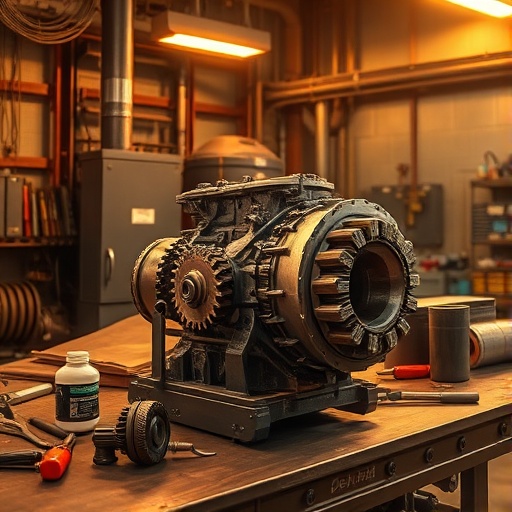
Evaluating Repair Shops: Brands and Reputation
Reputation and brand experience guide selection of a gearbox repair shop. Facilities with proven track records on specific transmission types deliver better results. Customer references and case studies reveal consistency in handling complex gearbox rebuilds. Shops that work regularly with major equipment brands understand common failure modes and effective solutions.
Online reviews and industry referrals help narrow choices quickly. Experience with reduction gearboxes or marine applications matters when projects involve specialized gearing. Strong reputation signals reliable workmanship and honest communication throughout the repair process. Thorough evaluation protects against substandard service that creates future expenses.
Questions to Ask Before Committing
Direct questions clarify expectations before any gearbox repair begins. Inquire about turnaround times, parts sourcing, and whether reverse engineering capabilities exist on-site. Confirm whether the shop performs its own machining or outsources this work. Ask about technician certifications and specific experience with the gearbox model in question.
Request written estimates that separate labor, parts, and additional services. Clarify communication protocols for updates during the rebuild. These discussions prevent misunderstandings and establish clear accountability. Informed customers achieve smoother experiences and better outcomes from gearbox repair services.
Understanding Warranties and Guarantees
Warranties provide essential protection after a gearbox rebuild completes. Standard coverage includes parts and labor for a defined period or operating hours. Extended options exist for critical applications where downtime carries high costs. Customers should review warranty terms for exclusions related to misuse or improper installation.
Reputable shops stand behind their work with clear guarantees. Written documentation outlines claim procedures and response expectations. Strong warranty support reflects confidence in the quality of repairs performed. Understanding these terms upfront reduces risk when investing in gearbox overhaul services.
Maximizing Efficiency and Minimizing Downtime
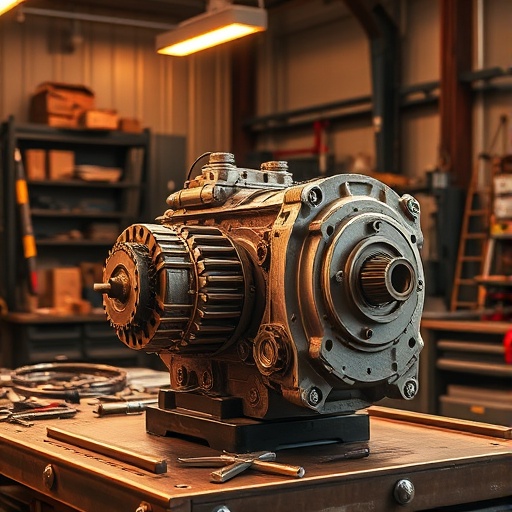
The Role of Lubrication in Gearbox Longevity
Lubrication directly determines how long a gearbox operates between rebuilds. Correct oil type and viscosity maintain protective films across gear teeth and bearings under load. Regular sampling identifies degradation before contaminants reach damaging levels. Proper filtration systems keep particles suspended and removed during circulation.
Companies that prioritize lubrication programs experience fewer failures and lower overall costs. Scheduled changes aligned with manufacturer guidelines prevent varnish and sludge buildup. Effective lubrication practices support continuous efficiency and reduce the frequency of gearbox repairs. Attention to this detail protects the substantial investment in transmission equipment.
Strategies for Reducing Downtime During Repairs
Minimizing downtime requires advance planning and clear communication with the repair provider. Stocking critical spare gearboxes allows immediate swaps while rebuilds occur. Scheduling work during planned maintenance windows prevents production losses. Expedited services become available when shops receive units with complete failure documentation upfront.
Remote monitoring systems alert teams to developing problems early enough for proactive scheduling. Partnering with responsive gearbox repair services shortens response times significantly. These strategies keep operations running while essential gearboxes undergo necessary work. Reduced downtime translates directly into preserved revenue and productivity.
Future-Proofing Your Gearbox with Regular Maintenance
Regular maintenance future-proofs gearboxes against evolving operational demands. Upgrades during rebuilds such as improved seals or enhanced bearings increase load capacity. Condition monitoring integration allows predictive rather than reactive interventions. Documented service histories support warranty claims and inform future repair decisions.
Companies that treat maintenance as ongoing investment extend equipment life and control costs. Scheduled inspections combined with timely gearbox rebuilds maintain peak performance across fleets. This approach avoids emergency expenses while supporting consistent output. Proactive care delivers reliable service well beyond original design expectations.
See Also
- Gearbox Failures Uncovered Key Signs Your Transmission Needs Attention
- Preventative Maintenance Tips to Extend the Life of Your Gearbox
- Exploring the World of Reduction Gearbox Rebuilds Enhancing Performance
- Common Root Causes of Gearbox Failures and How to Avoid Them
- Choosing the Right Gearbox Repair Company for Your Needs