Understanding the Cost of Downtime with Accurate Diesel Gauges

The Importance of Accurate Diesel Gauges
Understanding Diesel Tank Gauges
Diesel tank gauge systems deliver precise readings on fuel levels inside storage tanks, helping operators avoid sudden shortages that halt equipment. These devices track volume in real time across farms, construction sites, and industrial setups where diesel engines power daily work. A reliable diesel tank gauge prevents overfills that waste product and underfills that trigger unplanned stops. Operators rely on them to maintain steady supply lines for powerstroke engines and heavy machinery. Proper installation on diesel tanks ensures the gauge matches tank shape and capacity, delivering data operators can trust during peak demand periods.
Many facilities integrate diesel tank gauge units with existing pipes and drum storage to create a unified monitoring network. This approach cuts manual checks and supports smoother logistics for heating oil deliveries as well. Accurate readings also reduce environmental risks from spills caused by guesswork. Facilities that upgrade older gauges report fewer interruptions and better compliance with safety standards.
The Role of Sensors in Diesel Gauges
Sensors inside diesel gauges convert liquid height into electrical or mechanical signals that operators read instantly. Modern units use ultrasonic or float-based sensors to track levels even when tanks sit underground or in remote farm locations. These components resist corrosion from diesel and chemical additives, extending service life in harsh conditions. Sensor accuracy directly influences how operators schedule refills and maintenance on diesel engines.
Advanced sensors also detect temperature changes that affect fuel density, adjusting readings automatically. When paired with pipes and drum systems, they create closed-loop monitoring that flags leaks early. Facilities handling heating oil benefit from the same technology because consistent data prevents costly emergency orders. Regular sensor testing keeps the entire diesel gauge network reliable.
Impacts of Inaccurate Gauges on Downtime
Inaccurate diesel gauges create sudden fuel shortages that stop tractors, generators, and powerstroke engines mid-task. On a working farm, even one hour of lost operation during planting or harvest multiplies into significant revenue loss. Equipment sits idle while crews scramble for fuel, and contracts slip when deadlines pass. Repeated events damage customer trust and raise overall operating cost.
Heating oil suppliers face similar pressure when gauges misread levels in customer tanks. Delivery trucks arrive too late or too early, wasting driver time and fuel. In both sectors, downtime compounds through missed production targets and overtime labor. Upgrading to precise diesel gauges removes these variables and restores predictable workflows.
Cost Implications of Downtime
Calculating the Cost of Downtime in Diesel Operations
Operators calculate downtime cost by multiplying lost revenue per hour against the number of halted diesel engines and support staff. A single idle tractor on a mid-size farm can exceed several hundred dollars hourly once fuel, labor, and contract penalties enter the equation. Larger sites with multiple powerstroke units see costs escalate quickly when gauges provide false readings. Accurate tracking of these figures guides investment decisions in better diesel tank gauge technology.
Maintenance teams also factor in repair expenses that arise when engines run dry or overheat from undetected low levels. Heating oil distributors add truck fuel and driver wages to their downtime totals. Consistent data from reliable gauges allows precise forecasting that protects margins across seasonal peaks.
How Diesel Gauges Affect Operational Efficiency
High-quality diesel gauges streamline refueling cycles and cut wasted trips to storage tanks. Operators check levels remotely instead of climbing ladders or opening drum lids, freeing time for core tasks. This efficiency compounds when crews manage multiple diesel tanks spread across a property. Real-time alerts from connected gauges prevent both over-ordering and emergency runs that inflate fuel cost.
In heating oil operations, accurate gauges optimize delivery routes and reduce vehicle wear on pipes and pumps. Facilities report measurable gains in throughput once they replace mechanical units prone to drift with electronic models. The result appears in lower overall cost and higher equipment utilization rates throughout the season.
Case Studies: Downtime Costs in Agriculture and Heating Oil Industries
A Midwest farm replaced failing diesel level gauge units after two seasons of repeated shortages that idled combines during harvest. Records showed an average of four hours lost per incident at peak rates. After installing calibrated sensors, downtime dropped by 85 percent and annual fuel cost decreased through tighter inventory control. The upgrade paid for itself within one growing cycle.
A regional heating oil supplier tracked similar gains after standardizing on electronic diesel gauges across its customer base. Route planners eliminated 12 percent of unnecessary stops once accurate readings replaced phone estimates. Driver hours and truck fuel expenses fell while customer satisfaction rose. Both examples illustrate how precise monitoring protects revenue in diesel-dependent industries.
Types of Diesel Gauges and Their Applications
Liquid Level Gauges: Features and Benefits
Liquid level gauge designs measure fuel height directly inside diesel tanks and display results on easy-to-read dials or digital screens. These units handle varying tank shapes and resist vibration common in farm and industrial settings. Many models include built-in alarms that warn operators before levels reach critical lows. The direct measurement approach reduces interpretation errors that mechanical alternatives often introduce.
Facilities also value the durability of liquid level gauge components when storing diesel mixed with chemical stabilizers. Clear sight glasses or electronic readouts speed daily inspections without opening tank lids. Integration with existing pipes allows centralized monitoring across multiple storage points, improving response times during high-demand periods.
Comparing Mechanical vs. Electronic Diesel Gauges
Mechanical diesel gauges rely on float arms and linkages that transmit level changes to external dials. They require minimal power yet demand frequent calibration to maintain accuracy as components wear. Electronic versions use sensors to send data to remote displays or control systems, offering greater precision and trend logging. Powerstroke operators often prefer the electronic route for its ability to interface with fleet management software.
Cost differences appear in upfront purchase and long-term maintenance. Mechanical units cost less initially but accumulate calibration expenses over time. Electronic diesel gauges deliver lower total ownership cost in high-use environments where downtime carries heavy penalties. Selection depends on tank access, power availability, and desired data granularity.
Choosing the Right Diesel Gauge for Your Needs
Operators evaluate tank size, location, and monitoring frequency before selecting a diesel gauge. Remote farms benefit from wireless electronic models that transmit readings to a central office. Urban heating oil sites may favor compact liquid level gauge units mounted on vertical tanks. Compatibility with existing pipes and drum systems also influences the final choice.
Budget considerations include both purchase price and ongoing calibration needs. Reviewing manufacturer specifications for temperature range and chemical resistance prevents premature failure. Matching the gauge to specific diesel engine demands ensures reliable supply without excess inventory carrying cost.
Calibration and Maintenance of Diesel Gauges
Importance of Regular Calibration
Regular calibration aligns diesel gauge output with actual tank volume, eliminating drift caused by temperature cycles and mechanical wear. Operators who skip this step face cumulative errors that trigger unexpected downtime on diesel engines. Scheduled checks also verify sensor performance before critical seasons arrive. Accurate calibration protects both operational schedules and fuel budgets.
Heating oil providers maintain calibration logs to demonstrate compliance during inspections. Farm managers use the same records to justify equipment investments and insurance claims. Consistent procedures keep every diesel tank gauge trustworthy across its service life.
Tools for Calibrating Diesel Gauges
Technicians use dipsticks, ultrasonic testers, and reference sensors to verify diesel gauge accuracy. Portable calibration kits allow field adjustments without draining tanks, minimizing disruption to daily operations. Electronic models often include software interfaces that guide users through step-by-step verification. Proper tools reduce human error during the process.
Facilities handling multiple diesel tanks standardize on compatible calibration equipment to speed service across sites. Pipe-mounted gauges may require additional adapters for safe access. Investing in quality tools lowers long-term cost by extending gauge life and reducing repeat service calls.
Best Practices for Maintaining Diesel Tank Gauges
Best practices start with quarterly visual inspections of diesel tank gauge housings for cracks or corrosion. Operators clean sensor faces and check wiring connections on electronic units to prevent signal loss. Seasonal calibration before peak demand periods catches issues early. Documenting each maintenance event creates a history that supports warranty claims and performance analysis.
Training staff on proper handling protects delicate components during drum or pipe work. Facilities that follow these routines report fewer emergency repairs and steadier fuel supply for their diesel engines. Proactive care directly reduces downtime cost across agriculture and heating oil applications.
Future Trends in Diesel Gauge Technology
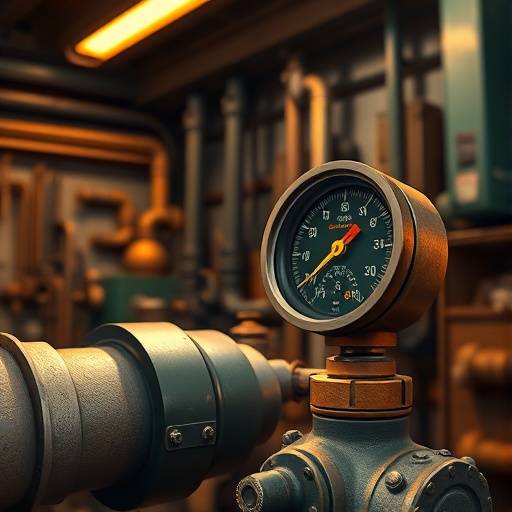
Innovations in Gauge Sensors
New sensor designs incorporate self-diagnostics that alert operators to fouling or misalignment before readings degrade. Improved materials resist aggressive diesel additives and chemical blends, extending replacement intervals. Some units now measure both level and flow rate through the same housing, consolidating data streams. These advances reduce the frequency of manual checks on remote diesel tanks.
Powerstroke fleets benefit from sensors that integrate temperature compensation directly into the output signal. The result appears in tighter inventory control and fewer instances of unexpected downtime. Continued refinement promises even greater reliability for operators managing large storage networks.
The Role of IoT in Diesel Monitoring
IoT connectivity allows diesel gauges to transmit live data to cloud platforms accessible from any location. Managers receive alerts on low levels or sudden drops that indicate leaks in pipes or tanks. Automated reporting replaces paper logs and supports predictive maintenance schedules. Heating oil distributors use the same networks to optimize delivery timing and reduce truck idle time.
Farm operators integrate gauge data with equipment telematics to coordinate refueling with work cycles. This connectivity lowers overall fuel cost while protecting uptime on critical diesel engines. Scalable IoT solutions fit both single-tank setups and multi-site operations.
Sustainability Considerations in Diesel Gauge Development
Manufacturers design newer diesel gauges with recyclable housings and low-power sensors that reduce energy draw. Accurate monitoring cuts fuel waste from overfills and prevents spills that harm soil and water. Longer service intervals decrease the volume of replacement parts entering landfills. These improvements align with broader goals of lowering environmental impact across diesel operations.
Facilities adopting sustainable gauge technology often qualify for efficiency incentives while maintaining reliable supply for heating oil and farm equipment. The combination of precision and responsibility supports both profitability and regulatory compliance in evolving markets.