The Ultimate Showdown Galvanized Steel vs Stainless Steel Explained
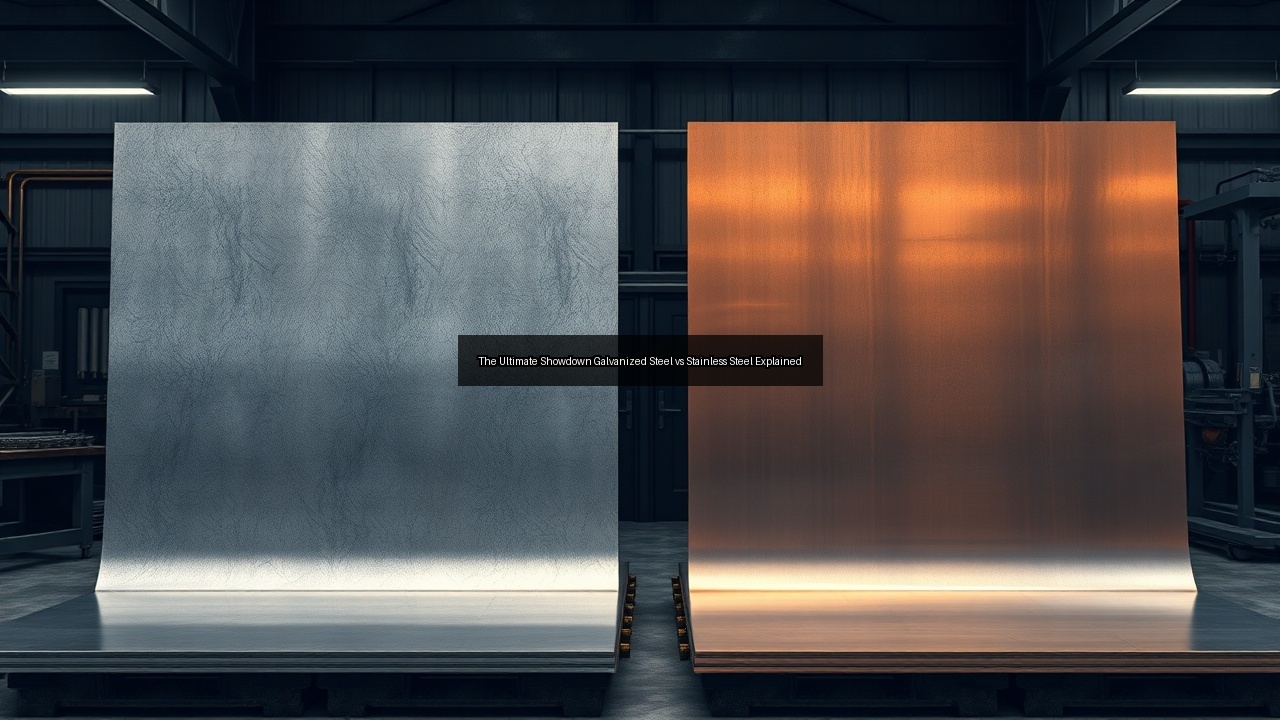
Understanding the Basics of Galvanized Steel and Stainless Steel
What is Galvanized Steel?
Galvanized steel starts as carbon steel that receives a protective zinc coating through hot-dip galvanizing. This process bonds zinc to the surface and creates a barrier that prevents rust from forming on the underlying metal. Fabricators rely on galvanized steel for outdoor structures, fencing, and automotive parts because the coating extends service life without extra paint. The zinc layer also sacrifices itself if scratches expose the steel, giving the material self-healing properties in many environments. Builders choose this option when they need affordable sheet metal that withstands weather exposure over decades.
What is Stainless Steel?
Stainless steel contains at least 10.5 percent chromium, which forms a passive oxide film that blocks oxygen and moisture from reaching the iron base. Different grades add nickel, molybdenum, or titanium to handle specific conditions such as high temperatures or acidic environments. Manufacturers produce stainless steel plates for pressure vessels, medical equipment, and architectural panels because the alloy maintains strength and appearance without surface treatments. The metal resists pitting and crevice corrosion better than most alternatives, allowing long-term use in food processing and marine settings where purity matters.
Key Differences Between Galvanization and Stainless Steel Composition
Galvanization adds an external zinc layer to carbon steel, while stainless steel integrates chromium throughout its alloy structure. This distinction affects how each material behaves during forming and joining. Galvanized products cost less upfront but require careful handling to avoid damaging the coating. Stainless grades demand higher initial prices yet eliminate ongoing coating maintenance. Engineers compare galvanized steel vs stainless steel by matching these traits to project demands such as expected lifespan, exposure levels, and fabrication methods. The choice often hinges on whether the application tolerates periodic inspections or requires zero surface intervention.
Corrosion Resistance: A Critical Comparison
How Galvanization Protects Against Corrosion
Galvanizing immerses steel in molten zinc that metallurgically bonds to create multiple alloy layers topped by pure zinc. These layers corrode slowly in the atmosphere and form stable compounds that shield the steel core. Fasteners and structural beams made from galvanized steel last 50 years or more in rural settings because the zinc weathers at a predictable rate of roughly one micrometer annually. The coating also provides cathodic protection at cut edges and drilled holes, stopping rust from spreading inward. Regular inspection of the zinc thickness helps predict remaining service life in industrial zones with higher pollution levels.
Corrosion Resistance of Stainless Steel
Stainless steel develops its own chromium-rich oxide film that self-repairs when damaged, provided oxygen remains available. Higher-alloy grades resist chlorides and acids that would destroy galvanized coatings within months. Pressure vessels fabricated from 316 stainless steel handle saltwater and chemical processing without pitting, whereas galvanized steel would require constant recoating. The passive film stays intact across wide temperature swings, making stainless the default choice for components exposed to de-icing salts or coastal spray. Proper cleaning removes contaminants that could otherwise break down the protective layer over time.
Real-World Applications: Which Steel Holds Up Better?
Highway guardrails and agricultural silos favor galvanized steel because the zinc coating delivers reliable rust protection at lower cost than stainless equivalents. Chemical plants and coastal bridges instead specify stainless steel to avoid repeated maintenance shutdowns caused by corroding surfaces. Laser cutting shops process both metals daily, yet stainless maintains edge quality longer in aggressive atmospheres. Decision makers weigh initial prices against replacement cycles when they evaluate galvanized steel vs stainless steel for each site. Projects that prioritize minimal intervention lean toward stainless, while budget-driven builds accept galvanized steel with scheduled inspections.
Weldability and Fabrication Techniques
Welding Galvanized Steel: Challenges and Solutions
Welders must remove zinc near the joint or use specialized filler wires to limit porosity and spatter caused by zinc vapor. Proper ventilation captures fumes that contain zinc oxide, protecting operators during the process. Post-weld touch-up with zinc-rich paint restores corrosion resistance at the heat-affected zone. Fabricators achieve strong connections in galvanized sheet metal by employing short-arc techniques and slower travel speeds that allow gases to escape. These steps add time yet keep overall project costs competitive compared with stainless alternatives.
Stainless Steel Welding: Techniques and Benefits
Stainless steel welds cleanly when operators control heat input to preserve corrosion resistance in the weld zone. TIG and MIG processes with matching filler metals produce smooth beads that require little grinding. The absence of a coating simplifies preparation and reduces smoke, speeding production on stainless steel plates. Back purging with inert gas prevents sugaring on the root side of pipes and tanks. Resulting joints maintain full corrosion resistance without extra coatings, cutting long-term maintenance in food-grade and pharmaceutical applications.
Laser Cutting: Suitability for Galvanized vs Stainless Steel
Laser cutting handles both materials efficiently, though galvanized steel demands extraction systems that remove zinc vapor to protect optics and operators. Stainless steel cuts with cleaner edges and fewer dross issues because it lacks the volatile coating. Shops often run nitrogen assist gas on stainless to achieve bright, oxide-free surfaces ready for welding. Galvanized parts may need secondary cleaning after laser processing to ensure paint adhesion. Fabricators schedule jobs according to material type to balance speed, edge quality, and post-processing requirements.
Cost Analysis: Prices and Economic Viability
Price Comparison: Galvanized Steel vs Stainless Steel
Galvanized steel prices remain significantly lower than stainless steel across most thicknesses and grades. A standard galvanized sheet might cost 40 to 60 percent less than an equivalent 304 stainless sheet at current metal industry rates. Volume buyers negotiate further discounts on galvanized coils because production volumes stay high. Stainless prices fluctuate more with nickel markets, creating budgeting challenges for large projects. Procurement teams therefore compare galvanized steel vs stainless steel quotes early to lock in favorable terms and avoid later cost overruns.
Long-term Costs: Maintenance and Replacement
Galvanized steel requires periodic inspection and occasional zinc-rich paint touch-ups to maintain protection, yet these tasks cost far less than full stainless replacements. Stainless steel eliminates coating maintenance but carries higher upfront material and fabrication expenses. Structures designed for 75-year service lives often favor stainless to avoid multiple replacement cycles. Facility managers calculate net present value by factoring inspection labor, downtime, and disposal fees when they decide between the two metals. Proper material selection reduces total ownership costs regardless of initial prices.
Sustainability Considerations in Steel Production
Both metals support recycling programs that recover nearly all material at end of life. Galvanizing uses zinc that can be reclaimed from dust collected during steel production, lowering virgin resource demand. Stainless steel recycling preserves valuable alloying elements and reduces energy consumption compared with primary melting. Manufacturers track carbon footprints through certified supply chains to meet sustainability targets in construction and automotive sectors. Choosing either material responsibly supports circular economy goals when scrap returns to the production loop.
Pros and Cons of Each Steel Type
Advantages of Using Galvanized Steel
Galvanized steel offers fast availability, low initial prices, and proven performance in atmospheric exposure. The zinc coating provides built-in cathodic protection that guards against minor damage without extra treatments. Builders value the material for quick installation on roofs, decks, and utility structures where appearance ranks below function. Galvanizing lines operate at high speed, keeping lead times short even during peak demand. These benefits make galvanized steel the practical default for many infrastructure and agricultural projects.
Benefits of Stainless Steel
Stainless steel delivers unmatched corrosion resistance, attractive surface finishes, and strength retention at elevated temperatures. Components require no coatings or frequent inspections, reducing operational interruptions in critical systems. The alloy supports hygienic environments because its smooth surface resists bacterial adhesion and simplifies cleaning. Architects select stainless for visible elements that must retain luster for decades. These traits justify higher prices in applications where reliability and aesthetics carry equal weight.
Risks and Limitations of Each Material
Galvanized steel can suffer accelerated corrosion in highly acidic or alkaline conditions and releases zinc fumes during welding that require ventilation controls. Stainless steel risks chloride stress cracking in certain marine or chemical settings and commands premium prices that strain tight budgets. Both metals demand proper grade or coating selection to avoid premature failure. Engineers mitigate these risks through site-specific testing and adherence to industry standards that match material properties to service environments. Thoughtful specification prevents costly surprises during the project lifecycle.
See Also
- Exploring the Weldability of Galvanized Steel and Stainless Steel
- From Rust to Resilience A Deep Dive into Galvanized and Stainless Steel
- Choosing Between Galvanized Steel and Stainless Steel for Your Next Project
- Understanding the Role of Galvanized Steel in the Metal Industry
- Galvanization Secrets Unveiling the Benefits of Galvanized Steel