The Importance of Product Labels on Plastic Bottles
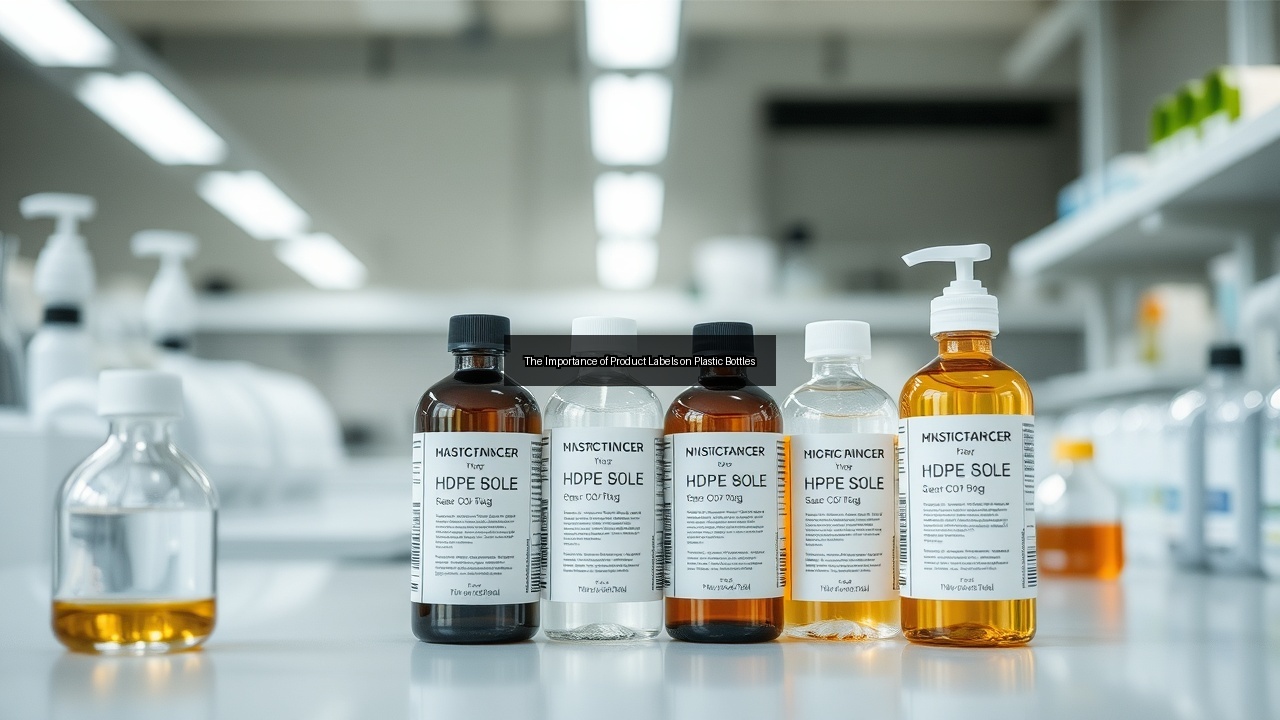
Understanding HDPE Bottles and Their Significance
What are HDPE Bottles?
HDPE bottles, or high-density polyethylene bottles, are widely recognized for their robustness and versatility. These plastic bottles contain high-density polyethylene, a strong plastic known for its resistance to impact and chemical damage. Commonly used in various applications, HDPE bottles come in numerous shapes and sizes, making them ideal for products ranging from household cleaners to food and beverage containers. The manufacturing process of HDPE bottles ensures they are lightweight yet durable, making them a popular choice in both consumer and industrial markets.
The Benefits of Using High-Density Polyethylene
High-density polyethylene offers numerous advantages that make it the preferred material for bottle production. First, HDPE is resistant to many chemicals, which is essential for storing various liquids safely, including harsh chemicals in laboratory settings. Second, its lightweight nature reduces shipping costs and environmental impact, as lighter products require less fuel during transportation. Third, HDPE is recyclable, allowing for the creation of new products from old bottles, contributing to a circular economy. Finally, HDPE's durability means that bottles made from this material can withstand rigorous use without cracking or leaking, making it a reliable choice for consumers and businesses alike.
Comparative Analysis: HDPE vs. Other Plastics
When comparing HDPE with other plastics, such as polypropylene or PET (polyethylene terephthalate), several key differences emerge. HDPE boasts superior strength and impact resistance compared to PET, making it a better option for applications that require durability. In contrast, polypropylene is often more flexible, which can be advantageous for certain packaging designs. However, HDPE's chemical resistance generally outperforms both polypropylene and PET, particularly in industrial and laboratory settings. Each plastic has its specific uses, but HDPE stands out for its overall reliability, making it the go-to choice for many manufacturers.
The Role of Product Labels on Plastic Bottles
Importance of Clear Product Information
Product labels on plastic bottles play a crucial role in consumer safety and informed purchasing decisions. Clear labeling provides essential information such as ingredients, usage instructions, and safety warnings, which are vital for products like chemicals or food items. Without proper labels, consumers may misuse products, leading to safety hazards. Moreover, informative labels build trust between brands and customers. When consumers can easily read and understand product details, they feel more confident in their purchases, which enhances brand loyalty and encourages repeat business. In essence, effective labeling transforms a simple plastic bottle into an informative resource for the consumer.
Labeling Regulations and Compliance
Labeling regulations significantly impact how products are presented on HDPE bottles. Various organizations, including the FDA and EPA, enforce strict guidelines to ensure that product labels meet safety and informational standards. Compliance with these regulations not only protects consumers but also safeguards manufacturers from legal repercussions. Understanding these guidelines is essential for businesses, as non-compliance can lead to fines and damage to reputation. Additionally, brands that prioritize compliance demonstrate their commitment to customer safety, which can serve as a powerful marketing tool in today’s competitive marketplace.
Designing Effective Labels for Customer Engagement
Effective label design goes beyond compliance; it captures consumer attention and encourages engagement. A well-designed label incorporates eye-catching graphics, color schemes, and fonts that resonate with the target audience. For example, a water bottle label might use vibrant colors and images of refreshing landscapes to evoke a sense of hydration and wellness. Additionally, labels should include QR codes or links to websites for further product information, enhancing customer interaction. Ultimately, a thoughtfully designed label not only conveys necessary information but also enhances the overall customer experience, increasing the likelihood of purchase and brand loyalty.
Applications of HDPE Bottles in Various Industries
Laboratory Uses: Chemical Storage and Safety
HDPE bottles are indispensable in laboratory settings, particularly for the storage of chemicals. Their high chemical resistance ensures that hazardous substances can be safely contained without risk of leaching or contamination. Laboratories often rely on HDPE jugs and containers to store everything from solvents to reagents. The design of these bottles often includes features like secure screw caps to prevent leaks and spills, ensuring safe handling. Furthermore, HDPE's durability means that these containers can withstand the rigors of laboratory environments, making them a staple for scientists and researchers.
Water Bottles and Consumer Preferences
The popularity of HDPE water bottles reflects consumer preferences for safe and reliable hydration solutions. Brands like Nalgene have popularized HDPE water bottles due to their lightweight yet durable construction. Consumers appreciate that HDPE bottles do not retain flavors or odors, ensuring a fresh drinking experience. Additionally, the recyclability of HDPE aligns with the growing trend towards sustainability, appealing to environmentally conscious consumers. With various designs, from sports bottles to carafes, HDPE water bottles cater to diverse lifestyles, enhancing their market presence and consumer demand.
Wholesale Packaging Solutions: From Gallon Jugs to Sprayers
HDPE bottles also excel in wholesale packaging solutions, providing businesses with versatile options for a range of products. From gallon jugs for cleaning supplies to specialized sprayers for personal care products, HDPE's adaptability makes it an ideal choice. The ability to customize the shape and size of HDPE containers allows brands to create packaging that stands out on shelves while maintaining functionality. Moreover, the lightweight nature of HDPE reduces shipping costs for bulk orders, making it a cost-effective solution for wholesalers and retailers alike, fostering a streamlined supply chain.
Sustainability and Recycling of HDPE Bottles
Recycling Processes for HDPE Materials
Recycling HDPE bottles plays a vital role in reducing plastic waste and conserving resources. The recycling process typically begins with the collection of used HDPE bottles, which are then cleaned and processed to remove contaminants. Once cleaned, the bottles are shredded into small flakes, melted down, and reformed into pellets. These pellets can then be used to manufacture new HDPE products, closing the loop in the plastic lifecycle. Recycling not only lessens the environmental impact of plastic waste but also reduces the demand for virgin materials, making it a crucial component of sustainable practices in packaging.
The Impact of Recycled HDPE on Packaging Design
The use of recycled HDPE in packaging design has significant implications for both manufacturers and consumers. Brands that utilize recycled materials often highlight this aspect in their marketing, appealing to environmentally conscious consumers. Additionally, incorporating recycled HDPE into packaging design can enhance product differentiation, as consumers increasingly seek sustainable options. Recycled HDPE can be molded into various shapes and sizes, allowing for creative and innovative packaging solutions that meet consumer demands while contributing to a more sustainable future.
Future Trends in Eco-Friendly Packaging
The future of packaging design will increasingly focus on sustainability, with HDPE bottles at the forefront. Innovations in biodegradable additives and advanced recycling technologies promise to enhance the eco-friendliness of HDPE products. Brands are also exploring the use of alternative materials and designs that minimize plastic use altogether. As consumer awareness of environmental issues continues to grow, companies must adapt to these trends by prioritizing sustainable practices in packaging. Emphasizing the recyclability and responsible sourcing of HDPE bottles will not only meet regulatory demands but also resonate with a new generation of consumers committed to protecting the planet.