The Future of Temperature Measurement with Advanced RTD Sensor Technology
Understanding RTD and Thermocouple Technologies
Overview of Resistance Temperature Detectors (RTDs)
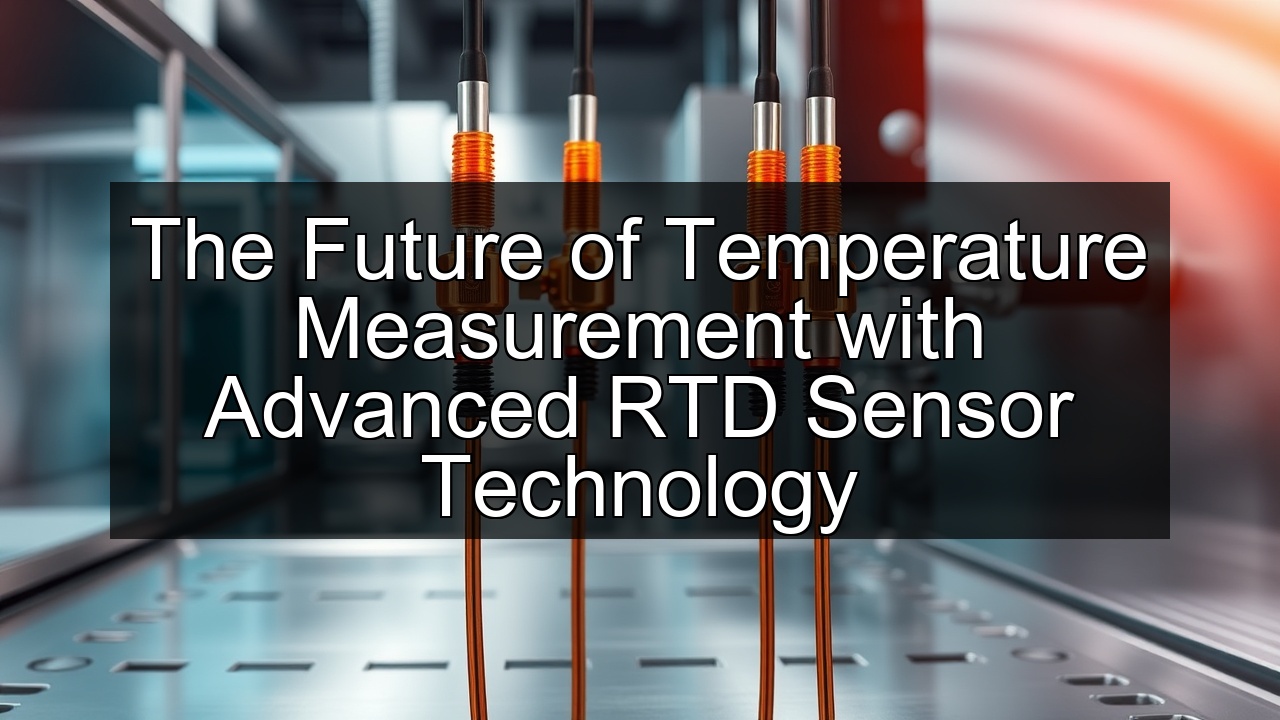
Resistance temperature detectors, or RTDs, stand out as precision instruments in the world of temperature measurement. Engineers rely on these sensors for their ability to deliver accurate readings across a wide range. RTDs operate on a simple principle: as temperature rises, the electrical resistance of a metal element, typically platinum, increases predictably. This linear response makes RTDs ideal for applications demanding high accuracy, such as laboratory testing and industrial processes. Platinum emerges as the preferred material due to its stability and resistance to corrosion, ensuring long-term reliability in harsh environments.
Manufacturers design RTD sensors in various configurations, including wire-wound and thin-film types, to suit different needs. Wire-wound RTDs offer superior accuracy for critical measurements, while thin-film versions provide cost-effective solutions with faster response times. In RTD assemblies, these sensors integrate seamlessly with protective elements like thermowells, shielding them from pressure and corrosive substances. Calibration plays a crucial role here, aligning the sensor's output to standard scales for precise temperature gauge readings.
Industries value RTDs for their durability and minimal drift over time. Unlike older thermometers, RTD probes handle extreme temperatures without degrading, making them essential in sectors like oil and gas. North American facilities often specify RTD sensors for compliance with stringent safety standards. As technology evolves, RTD measurement techniques incorporate digital interfaces, enhancing data transmission through transmitters. This evolution positions RTDs at the forefront of future temperature sensors, promising even greater precision in sensor assemblies.
Exploring Thermocouples: Types and Applications
Thermocouples thrive as versatile temperature sensors, converting thermal energy directly into electrical voltage through the Seebeck effect. Two dissimilar metals joined at a junction generate this voltage, which varies with temperature changes. This design allows thermocouples to measure extreme highs and lows, from cryogenic levels to over 2000°C, far beyond many resistance temperature detectors. Common types include Type K, made from chromel and alumel, suited for general industrial use, and Type J, using iron and constantan for oxidizing environments.
Applications span automotive, aerospace, and manufacturing, where thermocouple probes endure vibration and pressure. In oil refineries, thermocouple assemblies monitor furnace temperatures, preventing overheating that could lead to disasters. North American engineers favor Type T thermocouples for low-temperature HVAC systems, appreciating their accuracy in sub-zero conditions. Integration with transmitters amplifies their utility, enabling remote monitoring and real-time data logging for efficient operations.
Thermocouple sensors excel in dynamic settings due to their rugged construction, often encased in metal tubes for protection. Calibration ensures consistent performance, compensating for any non-linear responses inherent in certain types. As part of RTD thermocouple assemblies, they complement RTDs by handling broader ranges, creating hybrid systems for comprehensive temperature measurement. Future innovations may refine thermocouple types, incorporating nanomaterials to boost sensitivity and reduce size, revolutionizing sensor assemblies in compact devices.
Comparison of RTDs and Thermocouples in Temperature Measurement
RTDs and thermocouples dominate temperature measurement, each excelling in specific scenarios based on accuracy, range, and cost. RTDs deliver superior precision, often within 0.1°C, thanks to their stable resistance changes, making them the choice for pharmaceutical processes where exact readings prevent spoilage. Thermocouples, however, cover wider ranges and respond quicker, ideal for fluctuating industrial environments like welding, where speed trumps pinpoint accuracy.
Cost factors heavily: RTD sensors command higher prices due to precious metals like platinum, while thermocouples use base alloys, keeping thermocouple assemblies affordable for large-scale deployments. Durability varies too—RTDs falter in high-vibration settings without robust protection, whereas thermocouples withstand mechanical stress better. In RTD thermocouple assemblies, combining both leverages strengths: RTDs for steady-state monitoring and thermocouples for transient events.
Calibration demands differ; RTDs require periodic checks against standards to maintain linearity, while thermocouples need cold-junction compensation for reliable output. North American standards, like those from ASTM, guide their use in oil and gas, emphasizing thermowells to shield from pressure. Ultimately, selecting between RTD probes and thermocouple sensors hinges on application needs—precision for labs versus versatility for field use—shaping the future of integrated temperature sensors in advanced systems.
Advancements in RTD Sensor Technology
Innovative RTD Sensor Designs
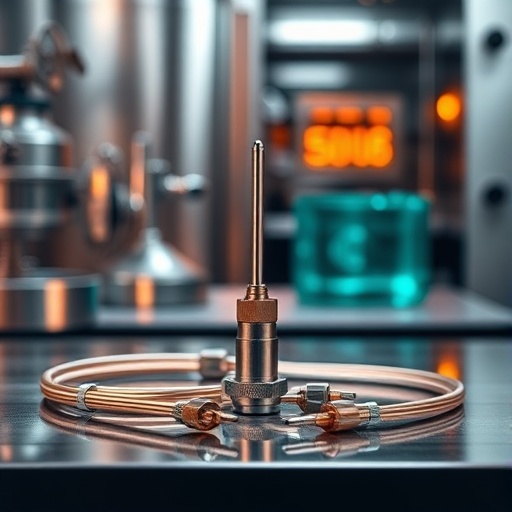
Engineers push boundaries with innovative RTD sensor designs, incorporating microfabrication to shrink sizes while amplifying performance. Thin-film RTDs, deposited on ceramic substrates, achieve response times under one second, outpacing traditional wire-wound models. These compact resistance temperature detectors integrate into smart devices, from medical implants to automotive engines, where space constraints once limited options.
Wireless capabilities now embed in RTD assemblies, eliminating cumbersome wiring and enabling real-time data from remote locations. In oil exploration, such designs withstand high pressure and corrosive fluids, protected by advanced thermowells. North American innovators lead with nanotechnology-enhanced platinum films, reducing thermal mass for faster, more accurate temperature measurement.
Sensor assemblies evolve with multi-element RTDs, profiling temperature gradients across surfaces. Calibration algorithms, powered by AI, self-adjust for environmental drifts, ensuring unwavering precision. These advancements in RTD probes herald a future where temperature sensors seamlessly blend into IoT ecosystems, optimizing energy use in industries and homes alike.
Integration with Transmitters for Enhanced Measurement
Transmitters revolutionize RTD sensor integration, converting analog signals from resistance temperature detectors into robust digital outputs for long-distance transmission. This setup enhances measurement reliability, especially in expansive facilities where signal degradation once plagued accuracy. Modern transmitters feature built-in diagnostics, alerting operators to faults in RTD assemblies before they impact operations.
In oil and gas sectors, transmitters pair with RTD probes to monitor pipeline temperatures under extreme pressure, feeding data to central control systems. North American regulations mandate such integrations for safety, ensuring compliance through certified components. Calibration synchronization between sensors and transmitters maintains traceability, vital for quality assurance in manufacturing.
Wireless transmitters cut installation costs, deploying RTD sensors in hazardous areas without extensive cabling. Advanced models incorporate HART or Modbus protocols, facilitating seamless communication in sensor assemblies. This integration not only boosts efficiency but also paves the way for predictive maintenance, where temperature gauge trends forecast equipment failures, minimizing downtime in critical applications.
The Role of Calibration in RTD Accuracy
Calibration anchors RTD accuracy, verifying that resistance changes align precisely with temperature scales. Technicians immerse resistance temperature detectors in controlled baths, comparing outputs against reference standards like ITS-90. This process uncovers drifts from aging or contamination, restoring reliability essential for precise measurement in labs and industries.
Automated calibration systems streamline the task, using software to generate certificates for RTD assemblies. In North America, ISO 17025 accreditation governs these procedures, ensuring thermometers meet global benchmarks. For oil sector applications, where temperature fluctuations affect product quality, regular calibration prevents costly errors.
Traceable calibration extends sensor life, incorporating adjustments for environmental factors like pressure and humidity. Innovative RTD sensors now feature onboard calibration chips, self-correcting in real-time. This evolution enhances thermocouple and RTD hybrid assemblies, delivering consistent temperature sensor performance across diverse conditions, from arctic explorations to high-heat forges.
Applications of RTD Thermocouple Assemblies
Industrial Applications: Oil and Gas
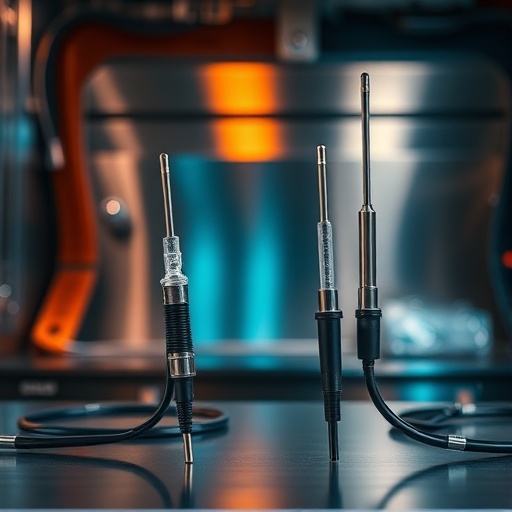
RTD thermocouple assemblies transform oil and gas operations, providing robust temperature measurement amid harsh conditions. In refineries, these sensor assemblies monitor distillation columns, where RTDs track steady heater temperatures and thermocouples capture rapid flare stack surges. Integration with thermowells protects against corrosive oils and high pressure, ensuring longevity in demanding environments.
Offshore platforms in North America deploy wireless RTD probes for real-time data, optimizing drilling efficiency and safety. Calibration routines align assemblies with industry standards, preventing leaks from thermal stresses. Transmitters relay signals to control rooms, enabling predictive analytics that reduce maintenance costs.
Downstream processes benefit from hybrid assemblies, combining thermocouple types for broad-range coverage. These systems enhance yield in catalytic crackers, where precise temperature gauges dictate reaction rates. As the sector shifts to sustainable practices, advanced RTD sensors support carbon capture monitoring, positioning assemblies as key to future energy innovations.
Temperature Measurement in North America
North America leads in adopting sophisticated temperature measurement solutions, with RTD thermocouple assemblies integral to diverse industries. Manufacturing plants across the U.S. and Canada use these for process control, where RTD sensors ensure uniform heating in food production, meeting FDA hygiene standards. Thermocouples complement them in forging, handling peak loads without faltering.
Environmental monitoring stations rely on calibrated assemblies to track climate shifts, deploying probes in remote Arctic outposts. Oil sands operations in Alberta demand rugged designs, shielded by thermowells against abrasive sands and pressure. Transmitters facilitate integration with SCADA systems, streamlining data for regulatory compliance.
Innovation hubs like Silicon Valley pioneer smart assemblies for EVs, where battery temperature sensors prevent overheating. North American firms emphasize sustainability, incorporating eco-friendly materials in sensor assemblies. This regional focus drives global standards, enhancing RTD measurement accuracy and thermocouple reliability for safer, more efficient operations.
Utilizing RTD Probes in Extreme Conditions
RTD probes excel in extreme conditions, delivering reliable temperature measurement where others fail. In volcanic research, insulated assemblies withstand 1000°C heats and corrosive gases, with platinum elements maintaining calibration integrity. Aerospace applications embed RTD sensors in turbine blades, monitoring under supersonic pressures and vibrations.
Arctic expeditions use cold-resistant probes, paired with thermocouples for hybrid accuracy down to -200°C. Thermowells and tube encasements shield against ice buildup, while transmitters ensure data flows uninterrupted. North American space programs specify these for satellite thermal control, where precision averts mission failures.
Subsea oil rigs deploy waterproof RTD assemblies, calibrated for saline pressures. Innovative designs incorporate flexible tubes for easy installation in confined spaces. These probes not only survive extremes but also enable proactive adjustments, from furnace optimizations to cryogenic storage, advancing the resilience of temperature sensors in unforgiving realms.
Key Components of RTD Thermocouple Assemblies
Understanding Thermowells and Their Importance
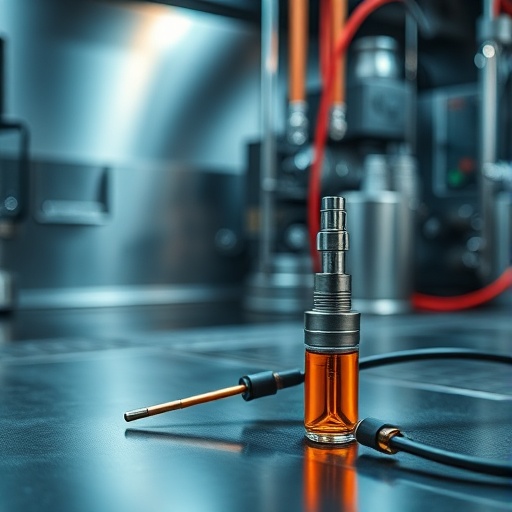
Thermowells serve as vital barriers in RTD thermocouple assemblies, encasing sensors to protect against process fluids, pressure, and mechanical damage. Machined from stainless steel or alloys like Hastelloy, they allow temperature measurement without direct exposure, extending sensor life in aggressive environments. In oil pipelines, thermowells prevent corrosion from hydrocarbons, ensuring uninterrupted operation.
Design choices—threaded, welded, or flanged—affect installation ease and response time. Thinner walls speed readings but risk rupture under high pressure, so engineers balance durability with accuracy. Calibration verifies well-sensor interactions, maintaining RTD precision. North American standards like ASME B31.3 dictate specifications for safety.
Advanced thermowells integrate vibration dampening for turbine uses, reducing noise in thermocouple outputs. In sensor assemblies, they enable hot-swappable probes, minimizing downtime. This component's role underscores the assemblies' robustness, supporting reliable temperature gauges in chemical plants and beyond.
The Function of Temperature Gauges in Measurement
Temperature gauges provide visual or digital interfaces in RTD thermocouple assemblies, translating sensor data into actionable insights. Bimetallic dials offer simple, power-free readings for field technicians, while digital versions connect to transmitters for precise logging. In industrial settings, these gauges monitor HVAC systems, alerting to deviations that could spike energy costs.
Integration with RTD probes ensures gauges reflect calibrated values, crucial for compliance in North American pharmaceuticals. Thermocouple inputs demand compensation circuits to counter junction errors, enhancing overall accuracy. Pressure-resistant casings protect gauges in oil rigs, where they guide valve adjustments based on real-time temperature.
Smart gauges now feature LCD displays with alarms, part of IoT-enabled assemblies. They facilitate trend analysis, predicting wear in machinery. By bridging raw data and human oversight, temperature gauges elevate measurement efficacy, from laboratory thermometers to heavy-duty sensor systems.
Designing Effective Sensor Assemblies
Designing effective sensor assemblies demands a holistic approach, blending RTDs, thermocouples, and supporting elements for optimal performance. Engineers start with application analysis—range, environment, accuracy—selecting components like thermowells and transmitters accordingly. Modular designs allow customization, such as adding extension tubes for deep insertions in reactors.
Material compatibility prevents failures; Inconel suits high-temperature oil applications, while calibration ports ensure ongoing verification. North American designers prioritize IP-rated enclosures for dust and moisture resistance. Integration testing validates signal integrity, minimizing errors in temperature measurement.
Future designs incorporate AI for adaptive configurations, auto-tuning to conditions. These assemblies streamline installations, reducing labor in expansive facilities. By focusing on interoperability, effective sensor assemblies drive efficiency, from thermocouple probes in labs to comprehensive RTD systems in global industries.
See Also
- Understanding the Role of Thermowells in RTD Thermocouple Assemblies
- Innovative Trends in North America’s RTD Thermocouple Technology
- Exploring the Benefits of Integrated Transmitters in Temperature Measurement Systems
- Choosing Between RTD and Thermocouple Assemblies for Accurate Readings
- The Impact of Pressure on RTD Thermocouple Performance and Accuracy