The Future of Automation in Temperature Control Technology
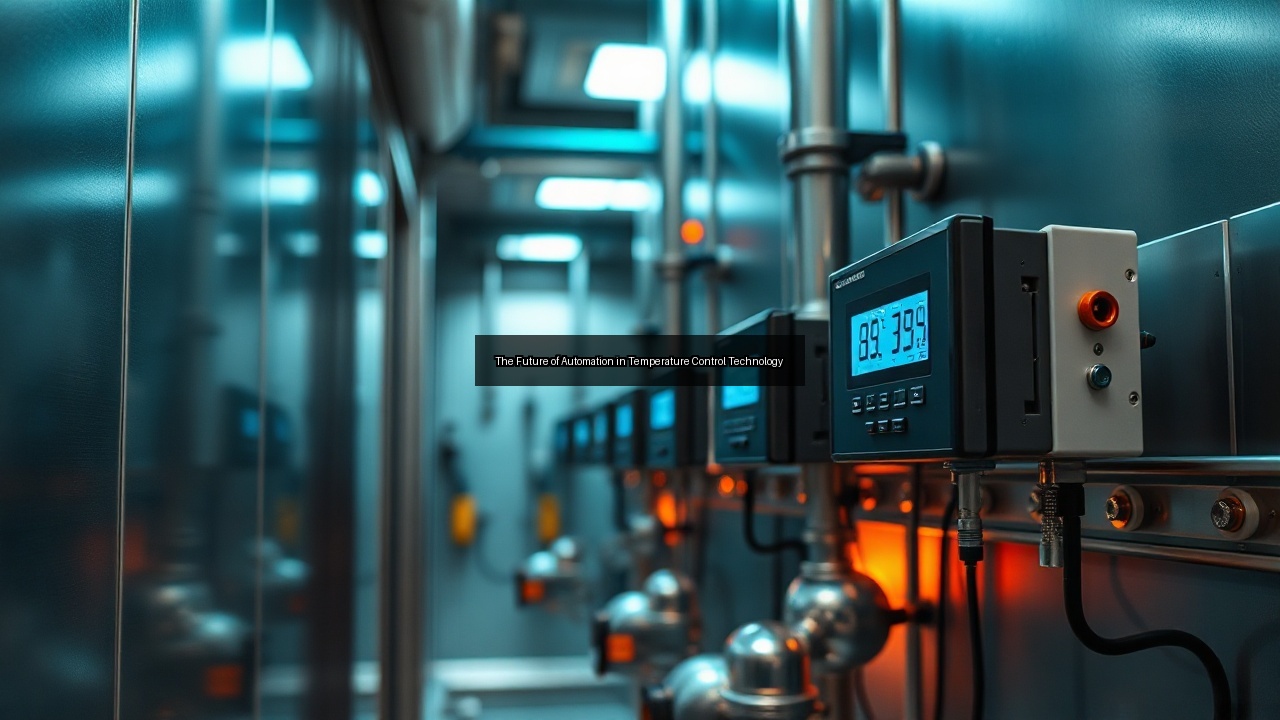
Understanding Temperature Control Technology
The Importance of Temperature in Industrial Processes
Temperature dictates outcomes in manufacturing, chemical reactions, and material processing. Precise regulation prevents defects, maintains product quality, and optimizes energy use. A process temperature controller monitors actual conditions against setpoints and adjusts outputs to heaters or coolers accordingly. Industries such as plastics extrusion, food production, and pharmaceuticals rely on these devices to sustain consistent conditions. Deviations trigger immediate corrections that protect equipment and reduce waste. Engineers integrate temperature control into broader automation schemes that also track pressure and humidity. This approach delivers repeatable results across batches and supports compliance with strict standards. Effective temperature management ultimately drives operational efficiency and lowers downtime.
Overview of Temperature Measurement Techniques
Accurate temperature measurement forms the foundation of any control strategy. Thermocouples generate voltage signals proportional to temperature differences and suit high-heat environments. Resistance temperature detectors offer higher precision in moderate ranges. Infrared sensors enable non-contact readings for moving surfaces or hazardous zones. A process temperature controller accepts these inputs and converts them into actionable data. Calibration routines verify sensor accuracy against reference standards at regular intervals. Measurement errors propagate through the system and affect final product specifications. Modern instruments combine multiple sensor types with signal conditioning to handle noise and long cable runs. Operators select techniques based on response speed, range, and environmental factors.
Types of Temperature Control Systems
Temperature control systems range from simple thermostats to advanced process temperature controller units. On-off control toggles outputs at setpoint crossings but creates cycling. Proportional control reduces overshoot yet leaves steady-state offset. Full PID control combines proportional, integral, and derivative actions to achieve tight regulation. Panel-mount controllers fit standard cutouts while DIN-rail controls save space in cabinets. Surface-mount options suit OEM equipment where enclosure depth limits choices. Each type accepts thermocouple or RTD inputs and drives relays or analog outputs. Selection depends on required accuracy, mounting constraints, and communication needs. Systems often include configurable alarms that notify operators of deviations before they impact production.
Automation and Its Role in Temperature Control
The Evolution of PID Control in Automation
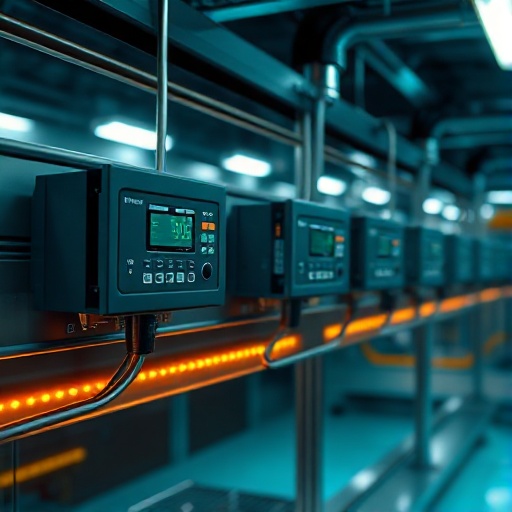
PID control matured from analog circuits into digital algorithms embedded in every modern process temperature controller. Early implementations required manual tuning of gains. Contemporary firmware offers auto-tune routines that identify process dynamics and calculate optimal parameters within minutes. PID controllers now handle nonlinear loads through adaptive strategies that adjust gains based on operating region. Integration with PLCs allows setpoint changes triggered by recipe data. Engineers tune loops for minimal overshoot during startups and rapid recovery after disturbances. This evolution reduced reliance on operator experience and improved consistency across shifts. Digital PID also logs performance data that supports predictive maintenance and loop optimization studies.
Integration of RS-485 and Modbus for Enhanced Communication
RS-485 networks enable reliable long-distance data exchange between process temperature controller units and supervisory systems. Modbus protocol standardizes register maps so devices from different vendors interoperate without custom drivers. Operators poll multiple controllers for current temperature, setpoint, and output status through a single cable run. This architecture supports centralized monitoring and remote adjustment of parameters. RS-485 links also transmit alarm conditions and historical trends to SCADA platforms. Redundant wiring options increase fault tolerance in critical applications. Communication speeds reach 115200 baud while maintaining noise immunity in industrial environments. The combination of RS-485 and Modbus reduces wiring complexity and accelerates commissioning of multi-zone temperature control installations.
Benefits of Automation in Temperature Regulation
Automation transforms temperature regulation from reactive adjustments into proactive optimization. A process temperature controller with built-in PID algorithms maintains tighter tolerances than manual intervention. Reduced temperature variation improves yield and cuts energy consumption. Automated logging captures every deviation for quality audits and process improvement initiatives. Integration with humidity and pressure sensors creates comprehensive environmental control. Alarms trigger before limits are exceeded, preventing scrap. Remote access via Modbus allows engineers to fine-tune loops from off-site locations. Overall, automation increases throughput while lowering labor costs associated with constant monitoring. Facilities report payback periods under one year when upgrading legacy thermostats to networked PID controllers.
Exploring Process Temperature Controller Options
Comparison of Panel-Mount vs. DIN-Rail Controllers
Panel-mount controllers provide a front-facing display and keypad that operators access directly. They occupy standard 1/16 DIN or 1/32 DIN cutouts and suit applications needing local indication. DIN-rail controls mount inside enclosures and connect via terminals, freeing panel space for other instruments. Both styles deliver identical PID performance and accept the same thermocouple or RTD inputs. Panel-mount units often include larger displays for easier setpoint entry. DIN-rail versions excel in high-density installations where multiple loops share one cabinet. Wiring practices differ slightly, yet both support RS-485 communication. Selection hinges on operator interface requirements and available mounting real estate rather than functional capability.
Surface-Mount Control Options: Pros and Cons
Surface-mount process temperature controller designs attach directly to machine frames or walls. This approach eliminates cutout fabrication and simplifies retrofits. Wiring remains accessible from the rear, speeding installation. However, the exposed housing demands careful environmental sealing against dust and moisture. Surface-mount units retain full PID functionality and configurable outputs. They suit heater control equipment where space inside panels is already allocated to power distribution. Drawbacks include potential vibration exposure and less protection than enclosed DIN-rail alternatives. Manufacturers offer models rated for washdown environments when needed. Overall, surface-mount options reduce engineering time during equipment builds while preserving measurement accuracy and automation features.
PC-Programmable Controllers: Features and Applications
PC-programmable controllers allow engineers to configure inputs, outputs, and PID parameters through software rather than front-panel buttons. A process temperature controller with this capability accepts universal sensor inputs and maps them to any available control action. Users download setups via USB or RS-485, then clone configurations across identical machines. Applications include multi-zone ovens and extrusion lines where recipes change frequently. Configurable alarms and ramp-soak profiles support complex thermal cycles without external PLC logic. Software also provides trending and data export for validation reports. These controllers reduce commissioning time and minimize errors associated with manual entry. Facilities standardize on PC-programmable units to simplify spares management and training.
Precision and Accuracy in Temperature Management
Understanding Thermocouples and Their Applications
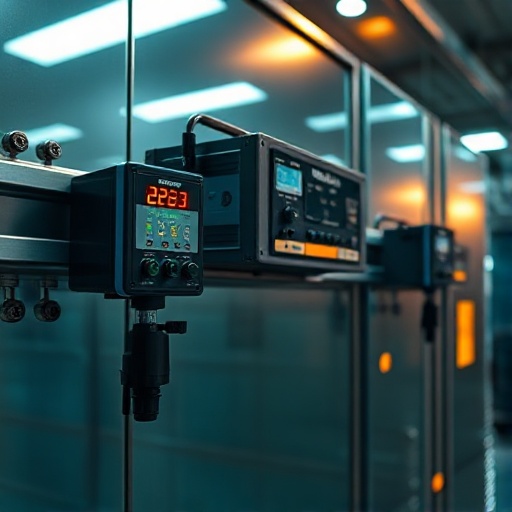
Thermocouples remain the workhorse sensor for industrial temperature measurement because they operate across wide ranges and survive harsh conditions. Type K and Type J variants cover most heater control equipment needs. Cold-junction compensation inside the process temperature controller corrects for terminal temperature variations. Extension wire maintains accuracy over long runs to remote sensors. Applications range from furnace monitoring to plastic melt temperature feedback. Proper installation avoids ground loops that introduce measurement noise. Thermocouples respond quickly to changes, enabling tight PID loops. Regular verification against reference instruments confirms continued performance. Their low cost and ruggedness make them the default choice unless higher precision demands RTDs.
The Role of Calibration in Ensuring Accuracy
Calibration aligns sensor readings with traceable standards and verifies controller accuracy. Technicians apply known temperatures at multiple points and adjust offsets or slopes within the process temperature controller. Annual or semi-annual schedules maintain compliance in regulated industries. Documentation records as-found and as-left values for audit trails. Drift from aging thermocouples or electronics necessitates recalibration. Some controllers support in-situ calibration that minimizes production interruptions. Temperature measurement chains that include transmitters also require end-to-end checks. Neglecting calibration allows systematic errors to accumulate and affect product quality. Proper procedures restore measurement fidelity and sustain the performance gains delivered by modern PID controllers.
Infrared Temperature Measurement: Advantages and Limitations
Infrared sensors measure surface temperature without contact, ideal for moving webs, rotating drums, or corrosive materials. A process temperature controller accepts the analog or digital output and applies emissivity compensation for accurate readings. Response times reach milliseconds, supporting fast PID loops on high-speed lines. Limitations include sensitivity to dust, smoke, and surface finish variations. Ambient temperature changes around the sensor head can introduce offsets unless compensated. Infrared works best on opaque targets within specific wavelength bands. Applications include glass tempering, paper drying, and metal annealing. When conditions permit, infrared reduces maintenance compared with contact thermocouples while delivering comparable control precision.
Future Trends in Temperature Control Automation
Emerging Technologies in PID Controllers
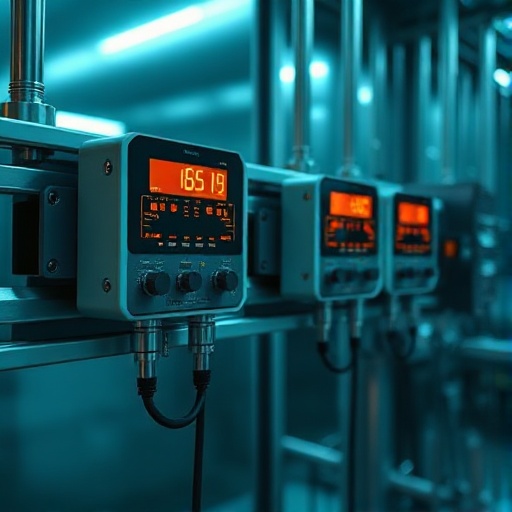
Next-generation PID controllers incorporate model-predictive algorithms that anticipate load changes and preemptively adjust outputs. A process temperature controller with these capabilities reduces settling time after setpoint shifts. Machine-learning routines analyze historical data to refine tuning parameters continuously. Embedded diagnostics detect sensor degradation or heater failure before they cause excursions. Wireless options complement RS-485 networks for flexible retrofits. Power-over-Ethernet models simplify installation in distributed systems. These advances extend the reach of automation into previously manual processes. Manufacturers embed cybersecurity features to protect Modbus communications from unauthorized access. The result is tighter control with less engineering oversight.
Smart Temperature Controllers with Configurable Inputs
Smart process temperature controller units accept multiple sensor types on the same input channel and auto-detect wiring configurations. Configurable inputs and outputs allow one hardware platform to serve diverse applications. Users assign functions such as remote setpoint, valve position feedback, or retransmit signals through software. Integrated humidity and pressure measurements create compact environmental control nodes. Touchscreen interfaces replace traditional keypads for faster navigation. These controllers support over-the-air firmware updates that add features without hardware replacement. Facilities standardize on smart platforms to reduce inventory and accelerate deployment of new temperature control loops.
The Impact of IoT on Temperature Control Systems
IoT connectivity transforms isolated temperature control loops into data-rich networks. A process temperature controller with Ethernet or cellular links streams real-time measurements to cloud dashboards. Operators receive alerts on mobile devices when PID loops deviate. Historical data enables analytics that predict maintenance needs and optimize energy use. Edge computing inside controllers executes local decisions during network outages. Integration with enterprise systems links temperature data to production scheduling and quality records. Security protocols protect Modbus-over-TCP traffic from external threats. IoT adoption accelerates continuous improvement programs by making temperature performance visible across entire operations. Facilities gain actionable insights that drive both efficiency and product consistency.
See Also
- Infrared Temperature Measurement Solutions for Real-Time Monitoring
- Calibration Techniques for Ensuring Accuracy in Temperature Controllers
- Choosing the Right Temperature Control for Your Industrial Needs
- Understanding PID Controllers for Effective Process Temperature Management
- Maximizing Precision with Advanced Process Temperature Controllers