The Evolution of Swiss Lathes in Modern CNC Machining

A Brief History of Swiss Lathes
Origins of Swiss Lathes
Swiss lathes trace their roots to the watchmaking industry in Switzerland during the 19th century. Artisans needed tools to craft tiny, precise components for timepieces, where even minor errors could ruin functionality. These early machines featured a sliding headstock that kept the cutting tool close to the workpiece's support point, minimizing deflection and enabling tight tolerances. Metalworking pioneers in the Swiss valleys adapted cam-controlled mechanisms to automate repetitive tasks, laying the groundwork for what became known as Swiss screw machining. This innovation spread beyond horology into broader manufacturing, influencing precision screw machining techniques. By the late 1800s, Swiss-style lathes handled small-diameter parts like screws and pins with unmatched accuracy, setting standards for cnc swiss screw machining today. The focus on stability and control defined these origins, as machinists pushed boundaries in material handling and tool geometry to achieve sub-millimeter precision without modern electronics.
Development of Screw Machines
Screw machines evolved directly from Swiss lathes as demand grew for mass-producing fasteners and intricate hardware in the early 20th century. Manufacturers refined the basic design by incorporating multiple spindles and turrets, allowing simultaneous operations like turning, threading, and drilling on a single setup. Turret lathes, a key advancement, used rotating tool holders to switch operations swiftly, boosting efficiency in screw machining. Automatic lathes automated cam-driven cycles, reducing human intervention and enabling high-volume production of cnc screws. In metalworking, these machines excelled at processing tough materials such as steel and brass, where vibration control proved essential. The integration of bar stock feeding systems marked a pivotal shift, as barfeeders continuously supplied material, minimizing downtime. By the mid-1900s, Swiss screw machines dominated industries like aerospace and automotive, producing components with complex geometries. This development not only scaled precision but also standardized practices in swiss cnc machining, influencing global standards for reliability and output.
Transition to CNC Technology
The shift from manual to CNC technology revolutionized Swiss lathes in the 1970s and 1980s, as computer controls replaced mechanical cams with programmable logic. Early adopters integrated numerical control systems into existing swiss style lathes, enabling operators to input coordinates for complex paths via punch cards or early computers. This transition enhanced cnc swiss machining by allowing real-time adjustments and multi-axis synchronization, far surpassing the limitations of cam-based screw machines. Machinists gained flexibility to prototype designs quickly, adapting to custom orders in precision screw machining. The advent of CNC mills and lathes combined turning with milling in one machine, streamlining workflows. In metalworking, this meant tighter integration of threading and contouring operations, reducing scrap rates. By the 1990s, full CNC swiss screw machining became standard, with software driving turrets and collets for sub-micron accuracy. This evolution democratized high-precision manufacturing, empowering smaller shops to compete with large-scale operations through automated precision.
Understanding CNC Swiss Screw Machining
Key Features of CNC Swiss Lathes
CNC Swiss lathes stand out for their guide bushing system, which supports the bar stock near the cutting zone to eliminate whip and ensure straightness in long, slender parts. This setup, core to cnc swiss screw machining, allows depths of cut up to 10 times the diameter without deflection. Multiple tool stations on the turret enable live tooling for milling and drilling without repositioning, accelerating production cycles. High-speed spindles and precise collet chucks grip stock firmly, supporting materials from soft aluminum to hard titanium in metalworking applications. Programmable controls via CNC interfaces let machinists optimize feeds, speeds, and paths for efficiency. Barloaders automate material insertion, cutting setup time dramatically. These features make swiss cnc machining ideal for medical implants, electronics connectors, and automotive sensors, where tolerances hit microns. The gang-tool configuration adds versatility, as tools slide linearly for quick indexing, enhancing throughput in swiss screw machining environments.
Comparison with Traditional Lathes
Traditional lathes rely on a fixed headstock and tailstock for workpiece support, which works well for larger diameters but struggles with slender parts prone to bending. In contrast, CNC Swiss lathes use a sliding guide bushing to maintain proximity between tool and support, excelling in cnc swiss screw machining for diameters under 1 inch. Conventional machines demand manual adjustments for each operation, slowing production, while CNC versions automate sequencing via software, slashing cycle times by up to 70 percent. Traditional setups limit multi-tasking, often requiring secondary operations for milling or threading, whereas swiss style lathes integrate these in one pass. Precision suffers in older lathes due to mechanical play, but CNC swiss machining achieves repeatability through servo-driven axes. Cost-wise, traditional lathes suit low-volume jobs, yet CNC systems justify investment via scalability in high-precision screw machining. Overall, the Swiss approach dominates modern metalworking for its superior accuracy and efficiency in handling complex geometries.
Role of the Chuck and Collet in Precision Machining
The chuck and collet form the backbone of precision in CNC Swiss screw machining, gripping bar stock securely to prevent slippage during high-speed operations. Self-centering chucks provide quick loading for varied stock sizes, while collets offer superior concentricity, essential for threading and turning fine features. In swiss lathes, the collet closes hydraulically or pneumatically, minimizing runout to under 0.0005 inches, which supports micron-level tolerances in metalworking. Machinists select collets matched to material hardness—soft jaws for delicate aluminum, hardened for steel—to avoid deformation. The chuck's role extends to part ejection, integrating with barfeeders for seamless cycles. Without precise holding, vibration amplifies, ruining surface finishes in cnc screw machining. Modern designs incorporate quick-change mechanisms, reducing downtime. In swiss screw machining, these components ensure consistent quality across batches, from prototype runs to mass production of screws and fittings. Their reliability underpins the entire process, enabling machinists to focus on innovation rather than constant recalibration.
Components and Tools in Modern CNC Swiss Machining
The Importance of Barfeeders and Barloaders
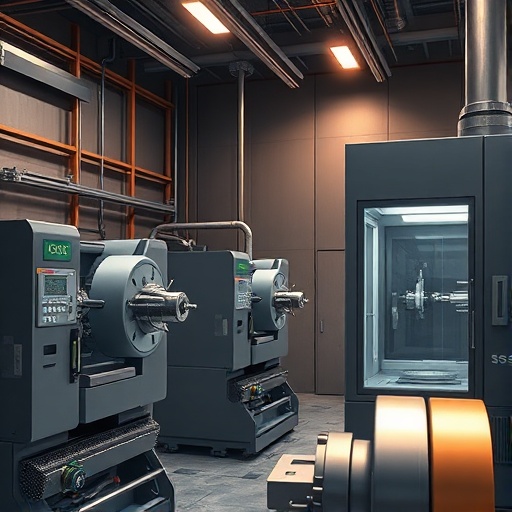
Barfeeders and barloaders transform CNC Swiss screw machining by automating stock advancement, ensuring uninterrupted production runs. Barfeeders push material through the collet via synchronized rollers, handling lengths up to 12 feet and diameters from 0.5mm to 32mm, ideal for high-volume swiss machining. They integrate with CNC controls to sync feed rates with spindle speeds, preventing jams in metalworking tasks like turning and milling. Barloaders, often robotic, load fresh bars automatically, cutting manual intervention by 90 percent and boosting uptime. In precision screw machining, these systems maintain stock alignment, crucial for straightness in long parts. Options like hydrostatic guides reduce friction for delicate materials, while sensors detect breaks to halt operations safely. Machinists rely on them for consistent throughput in cnc swiss applications, from aerospace fasteners to medical devices. Their versatility extends to multi-material runs, adapting to carbide or steel stock without reconfiguration, making them indispensable for efficient turret lathe operations.
Utilizing Vises and Tailstocks
Vises and tailstocks enhance stability in CNC Swiss machining, particularly for short-run or hybrid operations blending turning with milling. Vises clamp workpieces rigidly on the machine table, freeing the lathe for secondary fixturing in cnc mill integrations. In swiss style lathes, they secure finished parts for additional threading or drilling, maintaining alignment post-ejection from the chuck. Tailstocks provide rear support for longer stock, countering deflection during deep cuts in screw machines. Pneumatic or hydraulic actuation ensures quick setup, vital in fast-paced metalworking shops. Machinists use them to handle irregular shapes that barfeeders can't, expanding versatility in precision screw machining. For instance, a tailstock center supports live tooling, preventing chatter in high-speed cnc swiss screw machining. Their modular design allows customization—soft jaws for fragile components, hardened for tough alloys. By minimizing vibration, vises and tailstocks preserve tolerances, directly impacting quality in turret lathe workflows. These tools bridge traditional and modern techniques, optimizing overall machine utilization.
Integrating Milling Machines with Swiss Lathes
Integrating milling machines with Swiss lathes creates hybrid CNC systems that perform turning, milling, and drilling in one setup, streamlining cnc swiss screw machining. Live tooling on the turret adds milling capabilities, allowing axial and radial cuts without transferring parts, which cuts cycle times and reduces errors. CNC mills pair seamlessly via gantry loaders, enabling multi-sided machining on complex swiss screw components. In metalworking, this integration handles intricate geometries like helical threads or slots on small-diameter stock. Software coordinates axes for synchronized operations, ensuring precision in cnc lathe and mill combos. Machinists benefit from fewer fixtures, as the barloader feeds directly into the mill path. For aerospace parts, this setup achieves balanced cuts on titanium, minimizing heat buildup. The result? Enhanced efficiency in swiss cnc machining, where traditional separations between lathe and mill slow production. Modern hybrids incorporate vise stations for interim holding, pushing boundaries in automated precision screw machining.
ISO Certification and Quality Assurance in CNC Machining
The Role of ISO Certification in Metalworking
ISO certification anchors quality assurance in metalworking, mandating standardized processes that elevate cnc swiss screw machining to reliable levels. ISO 9001 outlines requirements for consistent documentation, from stock inspection to final gauging, ensuring traceability in swiss lathes operations. In precision screw machining, certified shops implement risk-based controls, like statistical process monitoring, to catch deviations early. This certification signals to clients that machinists adhere to global benchmarks, crucial for industries like medical and automotive demanding defect-free parts. Metalworking facilities use ISO frameworks to audit tool calibration and collet integrity, preventing costly recalls. For cnc swiss machining, it enforces supplier audits for carbide tools and bar stock, maintaining chain integrity. Beyond compliance, ISO fosters continuous improvement, as shops analyze scrap data to refine turret setups. Machinists trained under ISO protocols deliver superior finishes, boosting competitiveness. Ultimately, certification transforms ad-hoc practices into robust systems, guaranteeing precision in every screw machined component.
Ensuring Precision with Mastercam Software
Mastercam software drives precision in CNC Swiss screw machining by simulating toolpaths before production, spotting interferences in lathe and mill operations. Users model 3D parts, generate G-code for turrets and spindles, and optimize feeds for materials like carbide-hardened steel. In swiss style lathes, it calculates guide bushing offsets to maintain tolerances under 0.001 inches. Machinists leverage its post-processor libraries for seamless integration with cnc mills, ensuring accurate milling on turned blanks. The software's verification module animates cycles, reducing dry-run times and scrap in metalworking. For complex threading, Mastercam generates helical paths that sync with barfeeder advances. ISO-certified workflows incorporate it for documentation, logging parameters for audits. Its intuitive interface empowers junior machinists to handle advanced cnc swiss machining, from prototype screws to high-volume runs. By bridging design and execution, Mastercam minimizes errors, enhancing efficiency and part quality across vise-secured or collet-held stock.
Impact of Certification on Machinist Practices
ISO certification reshapes machinist practices in CNC machining, instilling discipline that sharpens skills in cnc swiss screw machining. Daily routines now include pre-shift checks on chucks, collets, and tailstocks, documented per ISO protocols to verify readiness. Machinists adopt lean techniques, like 5S organization for tools and stock, streamlining swiss lathe setups. Certification demands root-cause analysis for defects, training workers to adjust speeds proactively in turret operations. In metalworking, this leads to personalized calibration routines, ensuring drill bits and carbide inserts perform consistently. For precision screw machining, certified practices emphasize cross-training, so teams handle milling integrations fluidly. The cultural shift promotes accountability—machinists track metrics like cycle efficiency, driving shop-wide improvements. ISO also encourages safety integrations, such as guarded barloaders, protecting operators during high-speed runs. Overall, certification elevates craftsmanship, turning routine tasks into precision artistry that sustains quality in swiss cnc machining environments.
Future Trends in Swiss Style CNC Machining
Advancements in Carbide Tools and Drill Bits
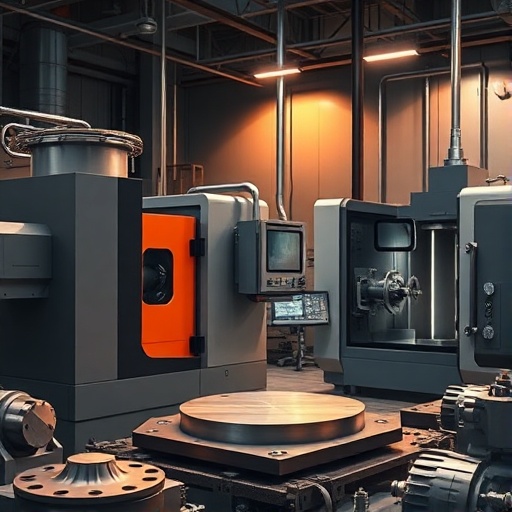
Advancements in carbide tools and drill bits propel swiss style CNC machining forward, with coatings like TiAlN extending life in high-heat cnc swiss screw machining. Nano-grain carbides resist wear during deep-hole drilling on slender stock, maintaining sharpness for micron finishes. Machinists now use variable-helix drill bits to break chips efficiently in stainless steel, reducing clogging in turret lathes. Hybrid tools combine turning inserts with milling edges, enabling one-pass operations in metalworking. For swiss screw machining, coolant-through designs deliver lubricant directly, cooling collet-held bars during threading. Innovations like indexable carbide heads allow quick swaps, minimizing downtime in automated setups. These tools support faster feeds without sacrificing precision, ideal for aerospace screws. As materials harden, self-lubricating carbides emerge, cutting fluid use in eco-conscious shops. Integrated sensors monitor tool wear, alerting via CNC interfaces. This evolution equips machinists for demanding cnc swiss applications, blending durability with finesse.
The Rise of Automated Lathe Systems
Automated lathe systems surge in swiss style CNC machining, incorporating AI-driven controls that predict maintenance in cnc swiss screw machining. Robotic arms handle barloading and part sorting, syncing with vises for seamless transfers to milling stations. Lights-out operations run overnight, maximizing throughput for precision screw machining. In metalworking, these systems use vision inspection to gauge tolerances post-turning, auto-adjusting turrets for consistency. CNC lathes now feature adaptive controls that vary speeds based on stock vibration, enhancing collet grip stability. Integration with IoT platforms allows remote monitoring, as machinists tweak parameters from apps. For high-volume swiss cnc machining, gantry loaders feed multiple machines, scaling production exponentially. Safety interlocks and error-proofing reduce human oversight needs. This automation wave transforms shops, freeing skilled workers for design while ensuring flawless output in chuck-secured operations. The future promises even smarter systems, revolutionizing efficiency.
Exploring New Materials and Techniques in Swiss Machining
New materials like carbon composites and superalloys challenge swiss machining, prompting techniques that blend cnc swiss screw machining with additive pre-forms. Hybrid workflows turn printed blanks on lathes, adding strength to lightweight parts for automotive use. In metalworking, cryogenic cooling enables machining titanium at sub-zero temps, preserving tool life in drill bit operations. Machinists experiment with ultrasonic-assisted turning to vibrate tools, reducing forces on slender stock in turret setups. For precision screw machining, laser pre-drilling creates starter holes, easing carbide penetration in hard materials. Sustainable practices emerge, like biodegradable lubricants for collet systems, aligning with green standards. Advanced simulations in software like Mastercam virtualize exotic alloys, optimizing paths before runs. These explorations expand swiss cnc machining to biotech implants and EV components, demanding vise innovations for irregular shapes. As techniques evolve, machinists push tolerances further, integrating milling for multi-material hybrids. This frontier redefines possibilities, fueling innovation in automated lathe realms.
See Also
- Why Carbide Tools Are Essential for Swiss Screw Manufacturing
- How ISO Certification Elevates CNC Swiss Screw Machining Standards
- A Deep Dive into the Benefits of Automatic Lathes in Screw Machining
- Comparing CNC Mills and Swiss Lathes for Optimal Machining Solutions
- Unlocking Precision with CNC Swiss Screw Machining Techniques