The Essential Guide to Choosing the Right Hydraulic Fluid for Your Equipment

Understanding Hydraulic Fluids
What is Hydraulic Fluid?
Hydraulic fluid powers countless machines by transmitting force through pressurized systems. Engineers design these fluids to lubricate moving parts, seal components, and dissipate heat in hydraulic equipment. Unlike common oils, hydraulic fluid handles immense pressures without breaking down, ensuring smooth operation in everything from excavators to factory presses. Core properties include low compressibility, which maintains efficiency, and anti-wear additives that protect metal surfaces. Many formulations include zinc for enhanced corrosion resistance, boosting longevity in harsh environments. Operators rely on this lubricant to prevent failures that could halt production. Without proper hydraulic fluid, systems suffer from cavitation, leaks, or overheating, leading to costly repairs. Selecting the right type matches your equipment's demands, whether for industrial hydraulic oil or specialized applications. This fluid acts as the lifeblood of hydraulics, enabling precise control and power transfer in modern machinery.
Types of Hydraulic Oils
Hydraulic oils come in various formulations to suit diverse needs, from mineral-based to synthetic blends. Anti-wear hydraulic oils dominate industrial settings, featuring additives like zinc to reduce friction in high-pressure pumps. Water-glycol types offer fire resistance for hot environments, while phosphate esters provide superior flame-retardant properties in aviation hydraulics. Multi-grade hydraulic oil adapts to temperature swings, combining low and high viscosity traits for year-round use. Premium hydraulic oil often includes detergents to keep systems clean, preventing sludge buildup. For heavy-duty tasks, high-viscosity index oils maintain performance across extremes. Low viscosity hydraulic oil suits quick-response systems in cold climates, ensuring startup ease. Hydraulic lubricants like these vary by ISO grades, from 32 to 68, guiding choices for specific machinery. Understanding these types helps operators avoid mismatches that degrade lubrication and efficiency.
Environmental Considerations for Hydraulic Fluids
Environmentally friendly hydraulic oil gains traction as industries prioritize sustainability. Biodegradable options, derived from vegetable oils or synthetic esters, break down quickly without harming soil or water. These eco-friendly lubricants reduce contamination risks in agriculture or forestry equipment, where spills threaten ecosystems. Regulations push for low-toxicity hydraulic fluids, minimizing zinc content to curb heavy metal pollution. Operators choose hydro-based fluids that meet EPA standards, balancing performance with green credentials. Flash point ratings in these oils prevent ignition hazards during disposal or use. Recycling programs extend life cycles, cutting waste from traditional mineral oils. Selecting such hydraulic system oil supports corporate responsibility while maintaining lubrication quality. In sensitive areas, these alternatives outperform standard types, offering comparable viscosity index and temperature stability without environmental fallout. Forward-thinking suppliers highlight these options, aiding compliance and resource conservation.
Key Factors in Choosing Hydraulic Oil
Oil Viscosity and Its Importance
Oil viscosity dictates how hydraulic oil flows and lubricates under pressure, directly impacting system efficiency. Thicker fluids resist shearing in high-load scenarios, protecting gears and valves from wear. Low viscosity hydraulic oil excels in precision tools requiring fast response, but it demands careful matching to avoid leaks. Engineers measure this property in centistokes at 40°C, with ISO standards like 46 ensuring optimal performance. In hydraulic equipment, improper oil viscosity causes cavitation, reducing power output and accelerating pump failure. Temperature influences viscosity; cold weather thickens fluids, slowing operations, while heat thins them, risking starvation. Premium choices maintain stability, enhancing lubrication across cycles. For industrial hydraulic oil, balancing this factor prevents energy loss and extends component life. Operators consult manuals for specs, ensuring the lubricant supports peak hydraulic pressure without compromise.
Viscosity Index: What You Need to Know
Viscosity index measures an oil's resistance to viscosity changes with temperature, crucial for versatile hydraulic applications. High-index hydraulic oils, often above 100, perform consistently from freezing mornings to scorching afternoons. Synthetic lubricants boast superior indices, ideal for mobile equipment facing variable climates. This stability prevents lubrication gaps that lead to metal-to-metal contact and breakdowns. In multi-grade hydraulic oil, polymers enhance the index, mimicking motor oil adaptability but tailored for hydraulics. Low-index fluids suit stable indoor setups, yet they falter outdoors. Flash point ties in, as stable viscosity reduces volatility risks. Choosing based on this metric optimizes energy efficiency and reduces maintenance frequency. For hydraulic lubricants in demanding roles, a robust index ensures reliable power transmission, safeguarding investments in heavy machinery.
Temperature Considerations for Hydraulic Oils
Temperature profoundly affects hydraulic oil performance, influencing viscosity and additive efficacy. Extreme cold thickens fluids, straining pumps and delaying startup in outdoor hydraulic equipment. High temperatures, conversely, degrade oils, lowering flash point and promoting oxidation that forms varnish. Ideal hydraulic oils for machines operate between -20°C and 80°C, with synthetics extending to 150°C. Hydraulic oil temperature monitoring prevents these issues, using sensors to alert operators. Low viscosity options suit cold zones, while high-flash-point variants handle heat-intensive tasks like injection molding. Multi-grade formulations bridge gaps, maintaining lubrication without frequent changes. In power steering fluid analogs for vehicles, temperature stability ensures smooth control. Addressing these considerations through spec-matching boosts system reliability, cuts downtime, and preserves warranty coverage by avoiding thermal stress-induced failures.
Applications and Benefits of Hydraulic Oil
Common Applications of Hydraulic Fluids
Hydraulic fluids drive essential operations in construction, manufacturing, and agriculture. Excavators and bulldozers rely on them for lifting and digging, where precise control amplifies operator productivity. In factories, hydraulic presses shape metals, with fluids enabling forceful, repeatable actions. Automotive uses include power steering fluid, a specialized hydraulic lubricant for effortless wheel turns. Marine hydraulics power winches and stabilizers on ships, enduring saltwater exposure. Aerospace demands high-performance variants for landing gear retraction. Industrial hydraulic oil fuels conveyor systems and robotic arms, streamlining assembly lines. Off-road vehicles use these lubricants in brakes and transmissions, akin to transmission oil but optimized for pressure. From small tools to massive cranes, hydraulic oil applications underscore its role in powering modern infrastructure, ensuring safety and efficiency across sectors.
Benefits of Using Quality Hydraulic Oil
Quality hydraulic oil delivers unmatched lubrication, slashing wear on pumps, cylinders, and valves for longer equipment life. Anti-wear additives, often zinc-based, form protective films under load, minimizing friction and heat buildup. This lubricant enhances energy transfer, reducing power loss in hydraulic systems and boosting fuel efficiency in mobile units. Clean formulations prevent contamination, maintaining fluid clarity and system responsiveness. Hydraulic oil benefits extend to noise reduction, as stable viscosity dampens vibrations in machinery. Compared to generic oils, premium types resist foaming, ensuring consistent pressure delivery. Environmentally, biodegradable options align with green practices without sacrificing performance. Operators gain peace of mind from fewer breakdowns, lower repair costs, and optimized output. In hydraulic equipment, these advantages compound, transforming routine maintenance into strategic asset management.
Hydraulic Oil for Machinery vs. Other Oils
Hydraulic oil for machinery outperforms motor oil in pressure-heavy environments, designed for incompressibility rather than combustion lubrication. While motor oil suits engines, it lacks the anti-wear fortitude for hydraulics, leading to rapid degradation. Transmission oil shares some traits but falls short in shear stability under cyclic loads. Power steering fluid, a hydraulic cousin, works in lighter duties yet doesn't match industrial hydraulic oil's viscosity range. Lubricants for hydraulic systems prioritize oxidation resistance, unlike gear oils focused on extreme pressure. Hydraulic fluids excel in sealing and cooling, preventing leaks that plague substitutes. Flash point differences matter; hydraulic variants endure higher temps without igniting. For machinery, sticking to purpose-built oils avoids warranty voids and ensures peak performance, distinguishing them as superior choices over versatile but ill-suited alternatives.
Maintenance and Care for Hydraulic Fluids
Hydraulic Oil Maintenance Practices
Regular hydraulic oil maintenance preserves system integrity and extends fluid life. Filter changes every 500 hours trap contaminants, preventing abrasive damage to components. Sampling tests for water, particles, and acidity guide timely replacements, often via on-site kits. Temperature checks during operation flag overheating risks, allowing adjustments to coolants or loads. Storage in sealed pails avoids moisture ingress, crucial for zinc-additive stability. Operators log usage hours to schedule full flushes, using compatible cleaners to remove residues. Vibration analysis detects early wear, prompting oil analysis for viscosity shifts. These practices cut downtime by 30%, ensuring lubrication consistency. For hydraulic equipment, proactive care like breathers with desiccants combats humidity, safeguarding against corrosion. Implementing a maintenance schedule transforms reactive fixes into predictive strategies, maximizing ROI on lubricants.
Recycling and Disposal of Hydraulic Oil
Hydraulic oil recycling reclaims valuable base stocks, reducing environmental impact and costs. Certified centers filter and re-refine used fluids, restoring them for reuse in non-critical applications. Proper disposal follows local regs, using sealed containers to prevent spills into waterways. Biodegradable hydraulic oils simplify processes, breaking down naturally without special handling. Avoid mixing types, as zinc in anti-wear variants complicates reclamation. Many suppliers offer take-back programs, collecting pails for processing. Flash point testing ensures safe transport, classifying waste accurately. Recycling hydraulic fluids conserves resources, with programs yielding up to 80% recovery rates. Operators benefit from compliance, avoiding fines while supporting sustainability. In industrial settings, these efforts align with eco-friendly hydraulic oil trends, turning waste into a renewable asset for future lubrication needs.
Identifying the Right Suppliers for Hydraulic Oil
Vetted hydraulic oil suppliers provide purity guarantees and technical support, essential for consistent quality. Look for ISO-certified distributors offering detailed spec sheets on viscosity index and additives. Reputable ones stock multi-grade options and eco-variants, matching diverse needs. Bulk deliveries in pails or drums cut costs for high-volume users, with delivery tracking for reliability. Customer reviews highlight service, from fast shipping to expert advice on hydraulic oil specifications. Avoid unverified sources risking contaminated batches that void warranties. Established brands partner with suppliers for authenticity, ensuring zinc-free or hydro-based formulas as required. Pricing transparency, including recycling incentives, signals professionalism. For hydraulic equipment owners, selecting suppliers with training resources empowers informed choices, fostering long-term partnerships that enhance operational efficiency.
Selecting the Right Hydraulic Oil for Your Equipment
Understanding Warranty Implications
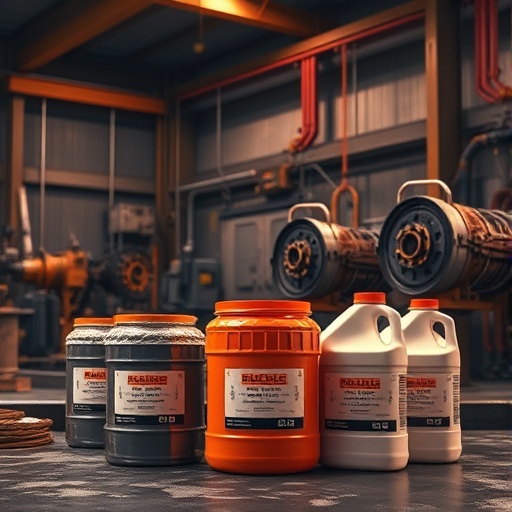
Using the wrong hydraulic oil jeopardizes warranty coverage, as manufacturers specify exact types to protect components. Deviating from recommended viscosity or additives like zinc invites denials on claims for pump failures or seal leaks. OEM guidelines outline approved lubricants, often listing ISO grades and performance standards. Substitutes may perform short-term but accelerate wear, leading to voided protections. Documenting oil selections with receipts and specs strengthens warranty disputes. Premium hydraulic oil from endorsed suppliers ensures compliance, preserving full benefits. Temperature mismatches, ignored in choices, compound risks by altering fluid properties. Operators who adhere to these stipulations avoid costly out-of-pocket repairs, securing investments. In hydraulic systems, warranty awareness guides selections, turning potential liabilities into assured reliability.
Hydraulic Oil Brands and Products
Leading hydraulic oil brands deliver innovative products tailored to rigorous demands. Mobil's DTE series offers robust anti-wear protection with high viscosity index for industrial use. Shell Tellus provides eco-friendly options, blending biodegradability with superior lubrication. Chevron Rykon excels in heavy-duty hydraulics, resisting oxidation in extreme temperatures. For specialized needs, AMSOIL synthetic hydraulic oil ensures longevity in mobile equipment. Lukoil and Total brands supply multi-grade variants, versatile for varied climates. These products feature zinc additives for corrosion defense and high flash points for safety. Pail-sized packaging suits small operations, while drums serve large-scale users. Evaluating hydraulic oil brands involves checking certifications like DIN or ASTM, guaranteeing quality. Such selections optimize performance, addressing applications from machinery to power systems.
Hydraulic Oil Substitutes and Alternatives
Hydraulic oil substitutes like ATF work in emergencies but compromise long-term efficiency due to mismatched viscosity. Power steering fluid serves light hydraulics yet lacks durability for industrial loads. Vegetable-based alternatives offer green appeal, fully biodegradable without zinc, ideal for environmentally sensitive sites. Synthetic esters replace mineral oils in high-temp scenarios, providing better thermal stability. Avoid motor oil crossovers, as they foam under pressure, eroding lubrication. For low-viscosity needs, PAO synthetics mimic multi-grade traits without dilution risks. Transmission oil analogs falter in pure hydraulic roles, prone to shear. Testing substitutes ensures flash point and index alignment, preventing failures. While alternatives cut costs, purpose-built hydraulic lubricants remain superior, balancing substitutes' pros with proven reliability for equipment longevity.