The Essential Guide to API Threaded Flanges in Petrochemical Applications
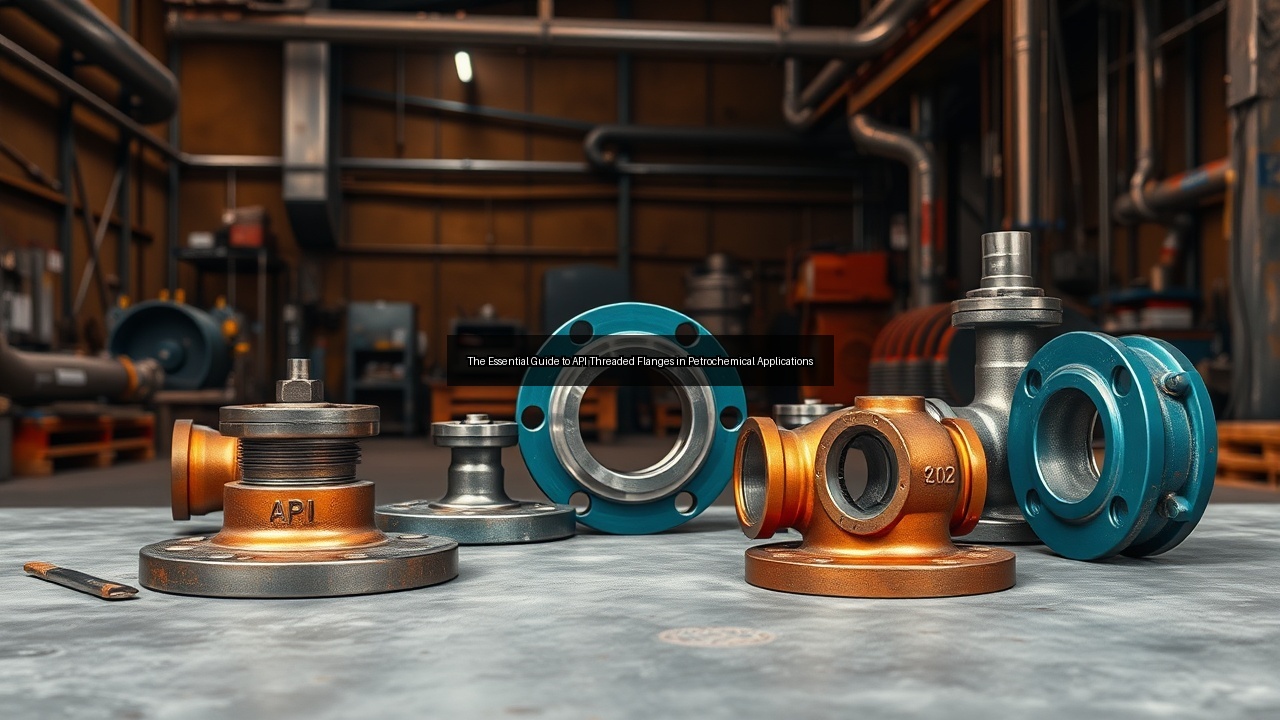
Understanding API Threaded Flanges in Petrochemical Applications
Overview of API Standards
API (American Petroleum Institute) standards govern the design, manufacturing, and testing of various equipment used in the oil and gas industry. API threaded flanges play a crucial role in ensuring the integrity and performance of piping systems within petrochemical applications. These flanges serve as connectors that provide a secure and leak-proof joint between pipes and other fittings. API standards, such as API 605 and API 6A, outline the specifications for dimensions, materials, and pressure ratings of flanges, ensuring that they can withstand the demanding environments typical in the petrochemical sector. Flanged connections must adhere to these rigorous standards to ensure safety and efficiency in operations, minimizing the risk of leaks or failures that could lead to environmental hazards or operational downtime.
Importance of Flanged Connections in Piping Systems
Flanged connections are vital components in piping systems, particularly in the petrochemical industry, where high pressures and corrosive substances prevail. Flanges serve as reliable connectors that can be easily assembled and disassembled, making maintenance and inspections more manageable. In addition, flanged joints offer flexibility for system modifications and expansions. API threaded flanges, with their specific design features, provide enhanced sealing capabilities compared to other connection types. This minimizes the risk of leaks, which can have severe consequences in terms of safety and environmental impact. Furthermore, the correct use of flanged connections can improve the overall efficiency of fluid transport, ensuring that operations run smoothly and cost-effectively.
Common Types of Threaded Flanges
Several types of threaded flanges are used in the petrochemical industry, each designed for specific applications and requirements. The most prevalent types include raised face, flat face, and ring-type joint (RTJ) flanges. Raised face flanges feature a raised area around the bolt holes, providing a larger sealing surface and making them ideal for high-pressure applications. Flat face flanges, on the other hand, have a flat sealing surface that is suitable for lower pressure systems. RTJ flanges are designed for high-pressure applications and feature grooves that accommodate special gaskets, ensuring a tight seal. The selection of the appropriate threaded flange type is essential in ensuring compatibility with the piping system and optimizing performance in demanding petrochemical environments.
Material Selection and Specifications for API Threaded Flanges
Materials Used in Manufacturing API Flanges
The selection of materials for API threaded flanges is critical to their performance and durability. Common materials include carbon steel, stainless steel, and alloy steel, each chosen based on the specific requirements of the application. Carbon steel flanges are widely used due to their excellent strength and cost-effectiveness, making them suitable for various petrochemical applications. Stainless steel flanges offer superior corrosion resistance and are ideal for environments where exposure to harsh chemicals is a concern. Alloy steel flanges, known for their strength and toughness, are often utilized in high-pressure and high-temperature applications. Manufacturers must consider factors like pressure, temperature, and chemical exposure when selecting materials to ensure the longevity and reliability of the flanges.
AISI Standards for Flange Materials
The American Iron and Steel Institute (AISI) sets standards for the classification of steel materials used in various applications, including API threaded flanges. These standards specify the chemical composition and mechanical properties of different steel grades, ensuring that the materials meet the required performance criteria. Common AISI grades for flange materials include AISI 304 and AISI 316 for stainless steel, which provide excellent corrosion resistance, and AISI 1018 for carbon steel, known for its good weldability and machinability. Adhering to AISI standards helps manufacturers produce flanges that meet the stringent demands of the petrochemical industry, ensuring safety and reliability in operation.
Impact of Material Selection on Performance and Cost
Material selection directly influences both the performance and cost of API threaded flanges. Choosing the right material ensures that flanges can withstand the operating conditions they will encounter, including temperature fluctuations, pressure variations, and corrosive environments. For instance, while carbon steel flanges may be more affordable initially, they might not perform as well in corrosive settings, leading to higher maintenance costs over time. Conversely, stainless steel flanges have a higher upfront cost but often result in lower long-term expenses due to their durability and resistance to corrosion. Understanding the balance between initial investment and long-term performance is essential for making informed decisions in flange material selection.
Manufacturing and Machining Processes for API Threaded Flanges
Precision Machining Techniques
Manufacturing API threaded flanges involves intricate precision machining techniques that ensure the components meet the required specifications. Machining processes typically include turning, milling, and drilling, each contributing to the accurate fabrication of flange dimensions and thread profiles. High-precision CNC (Computer Numerical Control) machines are often employed to achieve the necessary tolerances and surface finishes. These techniques reduce the risk of defects and ensure consistency across production batches, which is vital for maintaining quality control in flange manufacturing. The precision of machining also plays a significant role in the flange's ability to create a tight seal when installed, ultimately impacting the safety and efficiency of the piping system.
Quality Control in Flange Production
Quality control is a critical aspect of the production process for API threaded flanges. Manufacturers implement rigorous testing and inspection procedures to verify that the flanges meet API standards and customer specifications. This includes dimensional inspections, pressure tests, and material certifications to ensure that every flange produced can withstand intended operational conditions. Non-destructive testing methods, such as ultrasonic and magnetic particle inspections, help identify any potential flaws that could compromise the flange's integrity. Effective quality control reduces the likelihood of failures in the field and enhances the overall reliability of the piping systems in which these flanges are installed.
The Role of Slide Rules in Flange Design
Although modern software tools dominate flange design, traditional tools like slide rules still hold relevance in specific contexts. Slide rules allow engineers to perform quick calculations related to dimensions, pressure ratings, and material properties during the design phase. While digital methods provide enhanced accuracy and capabilities, slide rules can serve as a reliable backup for fundamental calculations, ensuring that designs adhere to critical specifications. Their simplicity and portability make slide rules a valuable resource for field engineers who may need to verify calculations on-site. Integrating both traditional and modern methods can lead to more effective and practical flange designs.
Installation and Maintenance Considerations for API Threaded Flanges
Proper Installation Techniques
Installers must follow specific techniques to ensure the correct installation of API threaded flanges. Proper alignment is essential to prevent stress concentrations that could lead to failures. Flanges should be cleaned before installation to remove any dirt or debris that could compromise the seal. When bolting flanges together, using a star pattern for tightening helps distribute the load evenly, reducing the risk of warping or damaging the flanges. Torque specifications provided by the manufacturer must be followed closely to ensure a secure and leak-proof connection. Correct installation practices enhance the longevity of the flanged connection and minimize the likelihood of leaks or failures in the piping system.
Common Failure Modes and Prevention Strategies
Flanged connections can experience various failure modes, including leaks, galling, and flange separation. Leaks often occur due to improper sealing or the use of incompatible gaskets. To prevent this, selecting the right flange gaskets that match the operational conditions is crucial. Galling, a type of wear caused by friction during installation, can lead to difficulties in disassembly. Using anti-seize compounds on bolt threads can mitigate this issue. Flange separation can happen due to inadequate bolt tension or misalignment; regular inspections and proper maintenance can help identify these risks before they lead to failure. Understanding these common failure modes allows operators to implement effective prevention strategies, ensuring safe and efficient operations.
Selecting the Right Flange Gaskets and Bolts
Choosing the right flange gaskets and bolts is vital for achieving a reliable seal in API threaded flanges. Various materials are available for gaskets, including rubber, PTFE, and metal, each suited for different pressure and temperature conditions. The gasket must match the flange type and application to prevent leaks effectively. Similarly, selecting the appropriate bolts is essential for maintaining the integrity of the joint. Bolts must be of sufficient strength and corrosion resistance, typically made from carbon or stainless steel, depending on the operational environment. Proper gasket and bolt selection, combined with correct installation practices, significantly enhances the reliability of flanged connections in petrochemical applications.