Revolutionizing Production with Advanced Injection Molding Techniques
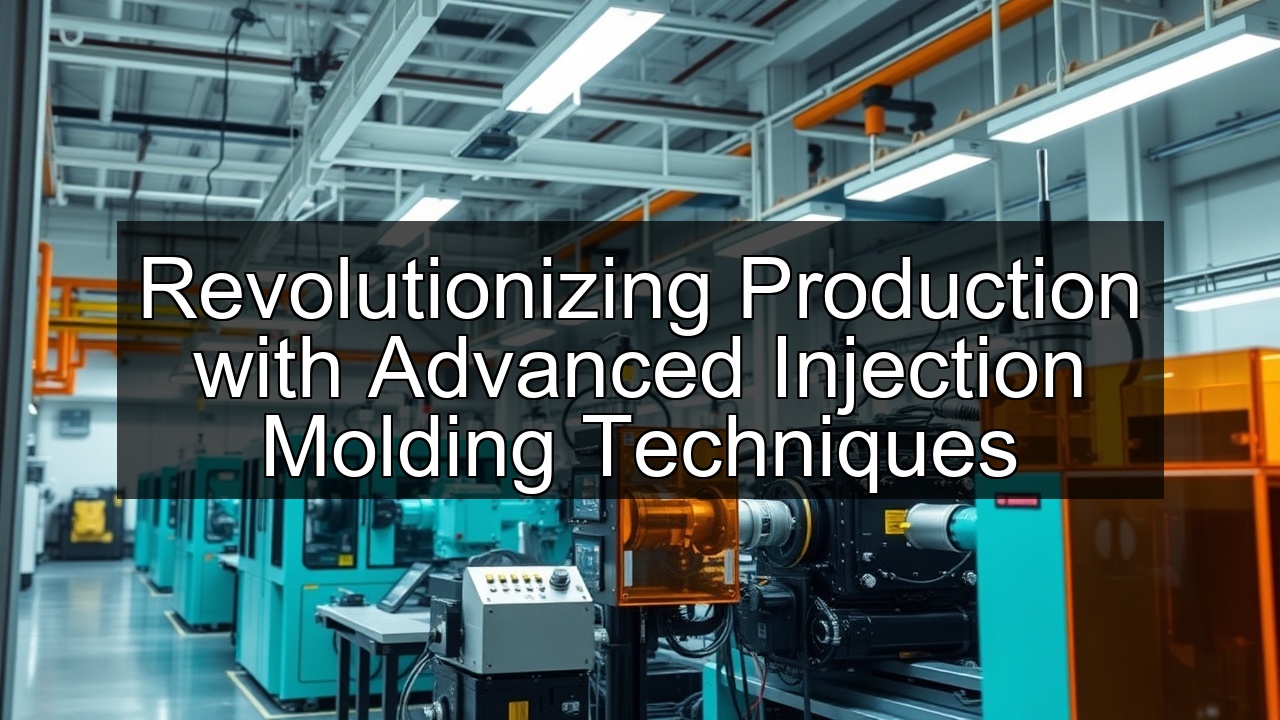
Understanding Advanced Injection Molding Techniques
Overview of Injection Molding
Injection molding stands as a cornerstone of modern manufacturing, transforming raw plastic into precise, high-volume components that power industries from automotive to consumer goods. This process involves melting thermoplastic materials and injecting them under high pressure into a custom injection mold, where they cool and solidify into the desired shape. Plastic injection molding excels in producing intricate parts with tight tolerances, making it ideal for everything from medical devices to packaging solutions. Leading injection molding manufacturers leverage this technique to deliver consistent quality at scale. As demands for efficiency grow, advanced injection molding techniques push boundaries, incorporating automation and innovative designs to streamline the fabrication process. Companies seeking reliable partners often turn to established injection molding companies that operate state-of-the-art injection molding factories. These facilities ensure rapid production cycles while maintaining durability and precision in every piece. The versatility of injection molding allows for the creation of complex geometries that other methods can't match, revolutionizing how products reach the market.
Key Terminology in Injection Molding
Mastering the language of injection molding unlocks a deeper appreciation for its intricacies and applications. At its core, the injection refers to the forceful delivery of molten plastic into the mold cavity, driven by a screw or plunger mechanism. An injection mold, typically made from steel or aluminum, defines the part's final form and must withstand repeated cycles. Thermoplastic materials, such as polyethylene or nylon, serve as the primary feedstock due to their ability to soften when heated and harden upon cooling. Overmolding and insert molding emerge as specialized terms for multi-material processes that enhance product functionality. Plastic fabrication encompasses the broader umbrella of shaping plastics, with injection molding as a key player. Automation describes the integration of robotic systems in plants to boost speed and reduce errors. Sustainability enters the lexicon as manufacturers adopt eco-friendly practices to minimize waste. Injection molding services often highlight these terms in consultations, helping clients navigate options from design to delivery. Understanding protocols for repairs and maintenance ensures molds last longer, while quality control measures guarantee defect-free outputs. For those exploring injection molding manufacturers, familiarity with this terminology streamlines collaboration and optimizes outcomes.
The Role of Injection Molding Manufacturers
Injection molding manufacturers drive innovation by bridging design concepts with scalable production realities. These specialists, often operating as injection molding companies, provide end-to-end solutions from prototyping to mass manufacturing in dedicated injection molding factories. They select optimal thermoplastic materials and oversee the fabrication process to meet stringent industry standards. A top injection molding manufacturer excels in customizing injection molds for unique applications, whether for durable automotive parts or lightweight packaging. As key players in the supply chain, they integrate automation to enhance efficiency and reduce lead times. Injection molding services from these manufacturers include consultation on advanced techniques like overmolding and insert molding, ensuring products combine strength and aesthetics seamlessly. Beyond production, reputable molding companies prioritize sustainability, incorporating recycled plastics and energy-efficient technologies. Clients benefit from their expertise in repairs and maintenance protocols, which extend mold life and cut costs. When searching for an injection molding manufacturer, factors like factory capabilities, technological adoption, and commitment to quality control stand out. These manufacturers not only produce components but also empower businesses to innovate, delivering reliable injection molding services that fuel growth across sectors.
Innovative Methods in Injection Molding
Overmolding: Combining Materials for Enhanced Products
Overmolding revolutionizes product design by layering multiple thermoplastic materials onto a base part, creating items with superior grip, insulation, or aesthetics. In this advanced injection molding technique, a substrate like a metal core receives a secondary plastic injection, bonding seamlessly for enhanced functionality. Injection molding manufacturers frequently use overmolding to produce ergonomic handles on tools or soft-touch grips on electronics, combining rigid and flexible plastics for durability and user comfort. The process starts with the initial injection mold filling the core, followed by precise alignment for the overmold layer. This method shines in plastic fabrication, allowing customization that boosts product lifespan and reduces assembly steps. Leading injection molding companies integrate overmolding into their services to meet demands for multi-material components in medical and consumer packaging. Automation in injection molding plants ensures consistent bonding and minimal defects, while thermoplastic materials like TPE over ABS create vibrant, weather-resistant finishes. As sustainability gains traction, overmolding incorporates recycled plastics, aligning with eco-friendly supply chain practices. For businesses partnering with an injection molding manufacturer, overmolding offers a competitive edge, delivering innovative solutions that elevate everyday products.
Insert Molding: Integrating Components for Efficiency
Insert molding streamlines assembly by embedding metal inserts, threads, or electronics directly into plastic parts during the injection process, eliminating secondary operations and cutting costs. An injection molding manufacturer positions the insert within the injection mold before injecting molten thermoplastic around it, forming a strong, integrated bond. This technique proves invaluable for creating robust components like electrical connectors or automotive fasteners, where metal strength meets plastic's lightweight properties. Plastic injection molding via insert molding enhances precision, as automation in plants handles insert placement with robotic accuracy. Injection molding companies leverage this method to produce high-volume runs for packaging and industrial applications, ensuring parts withstand mechanical stress. The fabrication process demands careful material selection, pairing compatible thermoplastics with inserts to avoid warping or delamination. In the supply chain, insert molding reduces inventory needs by combining steps, promoting efficiency and faster time-to-market. Sustainability benefits arise from less waste, as fewer separate pieces mean streamlined production. Reputable injection molding services emphasize quality control to verify insert integrity post-molding. Businesses seeking an injection molding factory for insert molding gain reliable, multifunctional products that drive innovation and performance.
Additive Manufacturing: The Future of Injection Molding
Additive manufacturing merges with traditional injection molding to accelerate prototyping and refine production workflows, heralding a new era of customization and speed. This hybrid approach uses 3D printing to create rapid injection molds or complex cores, allowing injection molding manufacturers to test designs without lengthy tooling delays. In plastic injection molding, additive techniques build intricate mold features that conventional machining can't achieve, enhancing part complexity for aerospace and medical sectors. Injection molding companies now incorporate additive manufacturing to produce low-volume runs economically, bridging the gap between prototypes and full-scale fabrication. Thermoplastic materials compatible with both processes ensure seamless transitions, while automation in injection molding plants optimizes hybrid setups for precision. The technology reduces material waste in the supply chain, aligning with sustainability goals by enabling on-demand production. Overmolding and insert molding benefit from additive-printed inserts, offering unprecedented design freedom. As injection molding services evolve, this fusion empowers manufacturers to iterate quickly, responding to market shifts. For those exploring injection molding manufacturers, adopting additive manufacturing signals forward-thinking capabilities, delivering eco-friendly, efficient solutions that redefine plastic fabrication.
The Production Process: From Design to Implementation
The Injection Mold Design Process
The injection mold design process kicks off with detailed CAD modeling to translate product specifications into a functional injection mold, ensuring optimal flow and cooling for flawless parts. Injection molding manufacturers collaborate with engineers to analyze part geometry, gating strategies, and ejection mechanisms, minimizing defects like sink marks or warpage. This phase incorporates thermoplastic material properties to predict behavior under injection pressures. Advanced software simulates the fabrication process, allowing adjustments before costly steel cutting. Leading injection molding companies emphasize iterative design reviews, integrating client feedback for precision in packaging or structural components. Automation tools streamline mold creation in injection molding factories, speeding up timelines. Sustainability influences design by incorporating recyclable features and efficient runner systems to cut plastic waste. Once finalized, the injection mold undergoes prototyping via plastic injection molding trials, refining details like overmolding layers or insert placements. Quality protocols ensure the mold meets tolerances, setting the stage for high-volume production. Partnering with an experienced injection molding manufacturer guarantees a robust design process that balances innovation, cost, and performance, revolutionizing how ideas become reality.
Selecting Thermoplastic Materials for Optimal Performance
Selecting thermoplastic materials demands a keen understanding of performance needs, from flexibility to heat resistance, to maximize the efficacy of plastic injection molding. Injection molding manufacturers evaluate options like polypropylene for packaging due to its chemical resistance or polycarbonate for transparent, impact-strong parts in electronics. Factors such as melt flow index and shrinkage rate guide choices, ensuring compatibility with the injection mold and process parameters. This selection phase optimizes the fabrication process, influencing cycle times and part quality. Injection molding companies often recommend blends or additives to enhance properties, like UV stabilizers for outdoor applications. In the supply chain, sourcing sustainable thermoplastic materials from recycled sources reduces environmental impact while maintaining strength. Automation in injection molding plants handles material feeding precisely, preventing inconsistencies. Techniques like overmolding pair dissimilar thermoplastics for multifunctional results, while insert molding requires materials that bond well with metals. Quality control verifies material purity post-injection. For businesses relying on injection molding services, expert guidance from a manufacturer ensures selections that deliver durable, cost-effective products tailored to specific demands.
Automation in Injection Molding Plants
Automation transforms injection molding plants into high-efficiency hubs, where robotic arms handle part removal, insert loading, and quality inspections to slash downtime and errors. Injection molding manufacturers deploy automated systems to manage the entire fabrication process, from material dosing to mold ejection, achieving throughput rates that manual operations can't rival. In plastic injection molding, sensors monitor injection pressures and temperatures in real-time, adjusting for optimal thermoplastic flow. Leading injection molding companies integrate Industry 4.0 technologies, enabling predictive maintenance and seamless data flow across the supply chain. This automation excels in overmolding setups, coordinating multi-shot sequences with pinpoint accuracy. Sustainability improves as automated controls minimize energy use and plastic waste through precise dosing. Injection molding factories equipped with automation produce consistent runs for packaging and complex assemblies, reducing labor costs while upholding safety. Repairs and maintenance protocols benefit from automated diagnostics, extending equipment life. Clients seeking injection molding services from advanced manufacturers gain faster production and superior quality, positioning their operations for scalable growth in competitive markets.
Sustainability and Efficiency in Injection Molding
Sustainable Practices in Plastic Fabrication
Sustainable practices in plastic fabrication redefine injection molding by prioritizing recycled thermoplastics and closed-loop systems that conserve resources and curb pollution. Injection molding manufacturers lead this shift, incorporating bio-based plastics into their processes to create eco-friendly components for packaging and beyond. The fabrication process evolves with energy-efficient heaters and chillers that lower carbon footprints without compromising part integrity. Injection molding companies track lifecycle impacts, from raw material sourcing to end-of-life recyclability, ensuring alignment with global standards. Overmolding and insert molding adapt to sustainable materials, bonding recycled layers for durable, green products. Automation in injection molding plants optimizes cycles to reduce excess plastic use, enhancing overall efficiency. In the supply chain, partnerships with ethical suppliers secure verifiable sustainable thermoplastic materials. Quality measures verify that eco-practices don't sacrifice performance, maintaining tight tolerances. As injection molding services emphasize sustainability, manufacturers empower clients to meet regulatory demands and consumer preferences for responsible production, fostering a greener future through innovative plastic fabrication.
Reducing Waste in the Supply Chain
Reducing waste in the supply chain starts with lean principles in injection molding, where manufacturers optimize inventory and just-in-time delivery to eliminate excess stock and scrap. Injection molding companies implement digital twins of the fabrication process to simulate and minimize runner waste during plastic injection molding. Thermoplastic material recycling loops recover sprues and rejected parts, feeding them back into production for cost savings and environmental gains. Advanced injection molds feature hot-runner systems that cut cold slug waste, streamlining the injection phase. Automation in injection molding plants sorts and regrinds materials on-site, preventing landfill contributions. Overmolding techniques reduce assembly waste by integrating functions in one step, while insert molding avoids separate metalworking scraps. Sustainability protocols audit supply chain partners for waste-reduction compliance, from raw plastic sourcing to packaging. Injection molding manufacturers track metrics like defect rates to refine processes continuously. For those engaging injection molding services, these strategies not only lower costs but also enhance brand reputation, creating efficient, waste-minimal operations that support long-term viability.
Technological Advances for Eco-Friendly Molding Solutions
Technological advances propel eco-friendly molding solutions forward, with electric injection machines replacing hydraulic ones to slash energy consumption by up to 60 percent in plastic injection molding. Injection molding manufacturers adopt IoT-enabled systems that monitor and optimize every injection cycle, reducing overuse of thermoplastic materials. Additive manufacturing complements traditional methods by printing sustainable mold inserts from recycled filaments, accelerating green prototyping. Injection molding companies integrate AI for predictive analytics, forecasting material needs to prevent excess in the supply chain. Automation enhances precision in overmolding and insert molding, minimizing defects and waste. Sustainability-focused technologies like waterless cooling systems conserve resources in injection molding plants. Repairs and maintenance protocols now use 3D scanning for precise, low-waste mold refurbishments. These innovations ensure high-quality outputs while aligning with circular economy principles. Businesses partnering with forward-looking injection molding services benefit from reduced emissions and compliant products, driving efficiency and ecological responsibility across industries.
Maintenance and Quality Assurance in Injection Molding
Repairs and Maintenance Protocols for Injection Molds
Repairs and maintenance protocols for injection molds safeguard production continuity by scheduling regular inspections and cleanings to combat wear from high-pressure injections. Injection molding manufacturers follow structured routines, using ultrasonic testing to detect cracks in mold cavities early, preventing costly downtime. Thermoplastic residues demand prompt removal to avoid contamination in subsequent runs. Leading injection molding companies employ preventive strategies, like polishing gates and vents, to maintain optimal flow in the fabrication process. Automation aids in logging maintenance data, predicting service intervals based on cycle counts. Sustainability ties into protocols by recycling worn mold components where possible. For overmolding setups, dual-material cleaning ensures no cross-contamination. Injection molding factories train staff on protocols, combining hands-on repairs with vendor support for complex fixes. Quality assurance verifies post-maintenance performance through trial runs. Clients relying on injection molding services from diligent manufacturers experience fewer interruptions and longer mold lifespans, ensuring reliable output in demanding applications like packaging and automotive parts.
Quality Control Measures for Injection Molding Products
Quality control measures for injection molding products encompass rigorous inspections at every stage, from raw thermoplastic verification to final dimensional checks, guaranteeing defect-free components. Injection molding manufacturers deploy vision systems and coordinate measuring machines to scan parts for tolerances as fine as microns. In-process monitoring during plastic injection molding flags anomalies like short shots or flash, allowing real-time adjustments. Injection molding companies standardize protocols, including statistical process control to track variations and maintain consistency across runs. Overmolding and insert molding undergo bond strength tests to ensure integrity. Automation in injection molding plants integrates inline gauging, boosting throughput without compromising standards. Sustainability influences quality by certifying recycled materials meet performance specs. In the supply chain, traceability systems log data for audits. Post-production, functional testing simulates end-use conditions for packaging or structural parts. Engaging reputable injection molding services means accessing these comprehensive measures, delivering products that exceed expectations and build trust with end-users.
Frequently Asked Questions about Injection Molding Services
Frequently asked questions about injection molding services reveal common curiosities, starting with lead times: most injection molding manufacturers deliver prototypes in weeks and production molds in months, depending on complexity. Clients often inquire about costs; factors like part size, thermoplastic choice, and volume dictate pricing, with injection molding companies offering quotes tailored to needs. How does overmolding differ from insert molding? Overmolding adds a secondary plastic layer, while insert molding embeds non-plastic elements. Sustainability queries focus on recycled plastics—yes, many services incorporate them without quality loss. Automation's role? It enhances precision and speed in injection molding plants. What about repairs and maintenance? Protocols extend mold life through routine care. For those searching injection molding factories or manufacturers, FAQs clarify capabilities in plastic fabrication and supply chain integration. Injection molding services also address minimum order quantities, typically flexible for startups. These insights help demystify the process, empowering informed decisions for efficient, high-quality production.