Quality Control in Medical CNC Machining Services Explained
Understanding CNC Machining in the Medical Industry
Overview of CNC Machining Services
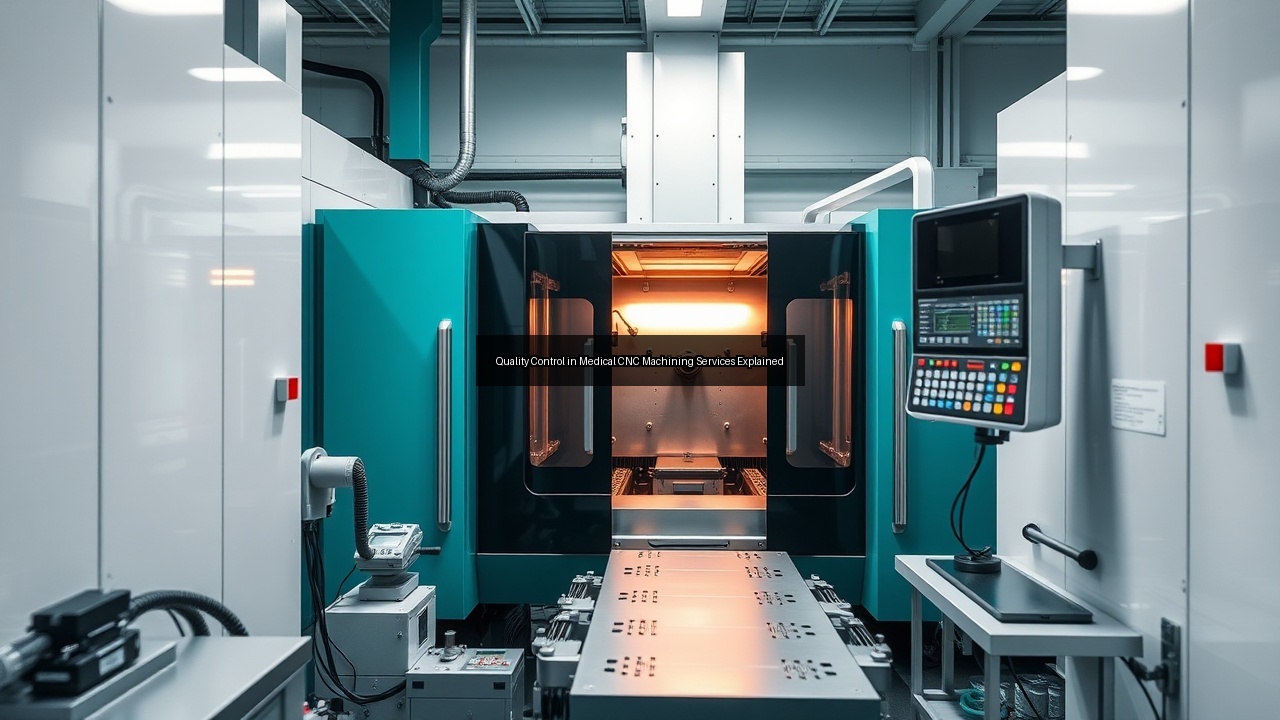
CNC machining services involve the use of cnc manufacturing services computer numerical control (CNC) technology to automate the machining process. This technology allows for high precision and repeatability in manufacturing components, essential in the medical industry. CNC machines operate by interpreting CAD (computer-aided design) files and executing complex machining operations with minimal human intervention. The medical industry relies heavily on CNC machining for the production of critical components used in various medical devices and instruments. The ability to manufacture intricate parts with tight tolerances ensures that surgical instruments and medical implants function reliably, ultimately improving patient outcomes.
Key Applications in Medical Devices
CNC machining finds numerous applications in the medical device sector, producing everything from surgical instruments to implants. For instance, CNC machines create components like scalpel handles, clamps, and surgical trays, which require meticulous attention to detail. Additionally, the fabrication of medical implants, such as hip and knee replacements, heavily relies on CNC technology. These implants often incorporate advanced materials like titanium and various plastics, chosen for their biocompatibility and strength. CNC machining services also support the production of dental instruments, ensuring that tools for oral health are precise and effective. The versatility of CNC technology makes it invaluable across multiple medical applications, enhancing both surgical precision and patient safety.
Importance of Precision in Medical Instruments
Precision is paramount in the manufacturing of medical instruments. Even a slight deviation in dimensions can lead to significant complications during surgical procedures. CNC machining ensures that each component meets stringent specifications, which is critical for maintaining compliance with industry standards. Instruments such as scalpels or forceps require exacting tolerances to function correctly and ensure safety during operations. The medical industry’s reliance on accurate and consistent manufacturing practices underscores the importance of CNC technology. By utilizing CNC machining services, manufacturers significantly reduce the potential for human error, guaranteeing that each instrument performs as intended and contributes to improved health outcomes.
Quality Control Standards in Medical CNC Machining
ISO 9001 Compliance and Its Significance
ISO 9001 compliance represents a cornerstone of quality assurance in medical CNC machining services. This international standard outlines criteria for a quality management system (QMS) and emphasizes the need for consistent quality in production processes. For medical device manufacturers, adhering to ISO 9001 not only ensures conformity with regulatory requirements but also enhances operational efficiency. Compliance with ISO standards fosters a culture of continuous improvement and systematic control over production. This proactive approach minimizes risks, improves product reliability, and builds trust with healthcare providers and patients. Manufacturers that prioritize ISO 9001 compliance position themselves as leaders in quality assurance within the medical industry.
Inspection Processes for Medical Devices
Inspection processes play a crucial role in ensuring the safety and efficacy of medical devices produced through CNC machining. Various methods, including visual inspections, dimensional checks, and functional testing, help verify that each component meets required specifications. Advanced technologies, such as coordinate measuring machines (CMM) and optical comparators, facilitate accurate measurements and assessments of machined parts. Additionally, non-destructive testing (NDT) methods can identify internal defects without compromising the integrity of the components. A thorough inspection process not only confirms compliance with ISO standards but also significantly reduces the risk of product recalls and enhances overall patient safety. Manufacturers invest in robust inspection protocols to uphold the highest quality standards in the medical industry.
Tools and Machines Used in Quality Assurance
Quality assurance in medical CNC cnc machining for medical machining relies on a variety of tools and machines designed to maintain high standards of accuracy and precision. CNC machines themselves are equipped with advanced features that allow for real-time monitoring and adjustments during the machining process. Tools such as laser scanners and vision systems provide additional layers of inspection, capturing detailed information about part dimensions and surface finish. The integration of these tools within a quality management framework ensures that every step of the production process adheres to strict quality controls. Furthermore, the use of statistical process control (SPC) techniques allows manufacturers to analyze performance data and identify trends, ultimately leading to improved machining outcomes and product quality.
Materials and Techniques in Medical CNC Machining
Common Materials: Titanium and Plastics
Material selection significantly impacts the performance and safety of medical devices produced through CNC machining. Titanium emerges as a favored choice due to its excellent biocompatibility, strength, and corrosion resistance. Often used in surgical implants and instruments, titanium's lightweight properties make it ideal for applications requiring durability without added weight. Alongside titanium, various plastics, such as polyether ether ketone (PEEK) and polycarbonate, are utilized for their versatility and ease of machining. These materials not only enhance the functionality of medical devices but also comply with safety regulations. Understanding the properties of these materials and their machining requirements is essential for manufacturers aiming to deliver high-quality medical devices.
CNC Milling vs. Other Machining Techniques
CNC milling stands out as one of the primary machining techniques used in the medical industry. This subtractive manufacturing process involves the removal of material from a workpiece to create complex geometries. Compared to other techniques, CNC milling offers superior precision and flexibility, allowing for the production of intricate parts and components. While methods like CNC turning and electrical discharge machining (EDM) serve specific applications, CNC milling remains the go-to choice for many medical devices. Its ability to accommodate various materials and tolerances makes it indispensable for fabricating surgical instruments and implants. Manufacturers often integrate multiple machining techniques to optimize production efficiency and meet diverse design requirements.
Innovative Approaches in Prosthetics and Implants
Innovations in CNC machining have revolutionized the production of prosthetics and medical implants. Advanced design software and CNC technology enable the creation of customized solutions tailored to individual patient needs. For example, 3D printing combined with CNC machining allows for the fabrication of prosthetic limbs that replicate the natural anatomy closely. This approach enhances fit, functionality, and comfort for patients. Furthermore, the integration of biomaterials and smart technologies into implants is a growing trend, providing real-time feedback to healthcare professionals. As the medical industry evolves, CNC machining services will continue to play a pivotal role in developing cutting-edge prosthetics and implants that improve patient quality of life.
The Future of Medical CNC Machining Services
Emerging Trends in CNC Technology
The future of medical CNC machining services looks promising, driven by emerging trends in technology and manufacturing. Advancements in automation and artificial intelligence (AI) streamline production processes, enhancing efficiency and precision. Smart CNC machines equipped with IoT capabilities facilitate real-time monitoring, predictive maintenance, and data analysis. This integration minimizes downtime and optimizes machining operations. Additionally, the rise of additive manufacturing complements traditional CNC machining, allowing for rapid prototyping and customization of medical devices. As these technologies evolve, manufacturers will focus on increasing production speeds while maintaining strict quality standards, ultimately improving the availability of critical medical devices.
Impact on Health and Dental Instruments
Medical CNC machining services significantly impact the development of health and dental instruments. The ability to produce high-precision instruments ensures that healthcare professionals have the tools necessary for effective diagnosis and treatment. Innovations in machining techniques contribute to the creation of minimally invasive surgical tools that enhance patient safety and recovery times. In dentistry, custom CNC machined instruments and implants, such as crowns and bridges, improve treatment outcomes and patient satisfaction. As the demand for advanced healthcare solutions grows, CNC machining will continue to play a vital role in the evolution of medical and dental instruments, driving improvements in both technology and patient care.
Collaboration with Aerospace Industries
Collaboration between the medical and aerospace industries is fostering innovation in CNC machining services. Both sectors require high precision, quality, and adherence to strict regulations. By sharing expertise and technologies, manufacturers can develop advanced machining techniques that benefit both fields. For instance, aerospace-grade materials and manufacturing practices can enhance the performance and reliability of medical devices. Moreover, lessons learned from aerospace quality control standards can inform better practices in medical device manufacturing. This cross-industry collaboration paves the way for breakthroughs in machining technologies, ultimately leading to improved medical devices and patient outcomes.