Navigating the World of Stearns Brakes for Distributors
Understanding Stearns Brakes and Their Applications
Overview of Stearns Brakes
Stearns brakes represent a leading solution in the braking systems market, particularly known for their reliability and efficiency. These brakes operate through various mechanisms, including disc and drum configurations, making them versatile for numerous applications. Stearns, a trusted brand in engineering and manufacturing, has developed a reputation for producing durable and high-performance brake systems that withstand demanding environments. Their product range caters to both heavy-duty operations and standard use, ensuring that there’s a solution for every need. This adaptability makes Stearns brakes a preferred choice for material handling and marine industries.
Key Features and Benefits
Stearns brakes come equipped with multiple key features that enhance their performance and usability. One of the standout attributes is their friction materials, designed to provide optimal stopping power while minimizing wear. The incorporation of advanced technology, such as solenoid and plunger systems, allows for precise control, enabling smooth operation regardless of the load. Additionally, many Stearns brakes are compatible with various motor types, including NEMA and IEC standards, ensuring seamless integration into existing systems. Users benefit from reduced maintenance costs and increased longevity, making these brakes a cost-effective investment for any operation.
Applications in Material Handling and Marine Industries
Stearns brakes find extensive use in both material handling and marine applications. In material handling, their robust design supports the heavy lifting and transporting of goods, especially in warehouses and manufacturing plants. The brakes are crucial for ensuring safety and operational efficiency, particularly in systems involving conveyors and forklifts. In marine settings, Stearns brakes provide reliable stopping power for vessels, contributing to safety during docking and maneuvering. The adaptability of these brakes to different environments, combined with their high performance, solidifies their status as a preferred choice in various industries.
Components and Technology Behind Stearns Brakes
Brake Types: Disc vs. Drum
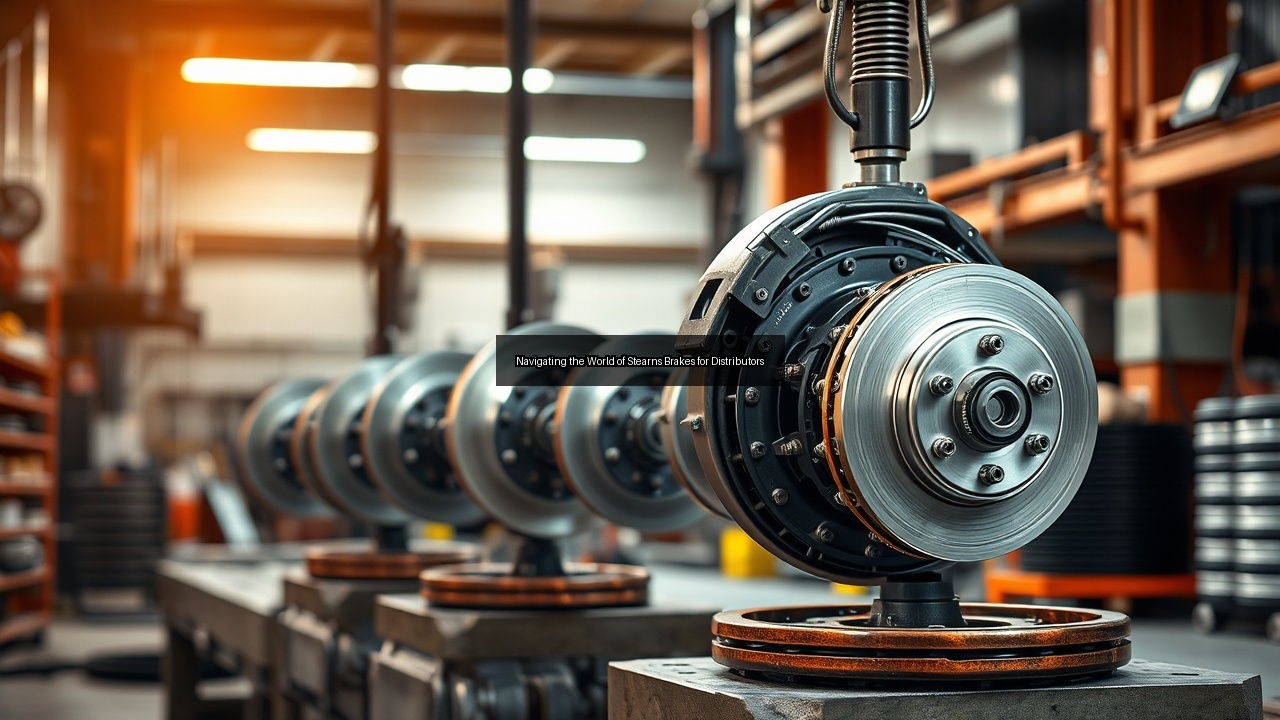
Understanding the two primary types of brakes—disc and drum—is crucial for selecting the right Stearns brake for your application. Disc brakes utilize a flat disc that rotates with the wheel; hydraulic force clamps brake pads against the disc to slow down or stop motion. This design offers superior heat dissipation and stopping power, making them ideal for heavy-duty applications. On the other hand, drum brakes feature a cylindrical drum that rotates with the wheel, with brake shoes pressing outward against the drum's inner surface to create friction. While drum brakes are typically more compact and cost-effective, they may not dissipate heat as efficiently as disc brakes, which can lead to performance issues under extreme conditions. Each type serves distinct needs, and understanding their differences aids distributors in guiding customers effectively.
Friction Materials and Their Importance
The choice of friction materials significantly impacts the performance and longevity of Stearns brakes. High-quality friction materials ensure optimal braking efficiency, reduce wear, and enhance the overall safety of the system. Stearns employs advanced materials that resist heat buildup and provide consistent performance, even under heavy loads. The right friction material depends on the specific application, including factors such as load capacity, speed, and environmental conditions. Distributors should emphasize the importance of selecting appropriate friction materials to their customers, as this decision can influence maintenance cycles and operational costs. In addition, understanding the interaction between the friction material and other components, such as lubricants and couplings, further enhances braking performance.
Role of Couplings and Couplers in Brake Systems
Couplings and couplers play a pivotal role in the functionality of Stearns brake systems. These components connect the brake to the motor and ensure the efficient transfer of power. Proper alignment and compatibility between the couplings and the brake system are essential for optimal performance. Misalignment can lead to increased wear, reduced efficiency, and potential failure. Distributors must guide customers in selecting the right couplings based on the specific brake model and motor type, whether it’s a standard electric motor or a servo motor. Proper coupling choices enhance the braking system's reliability, making it a critical aspect of the overall design and functionality. Understanding the nuances of these components allows distributors to provide comprehensive solutions to their clients.
Choosing the Right Stearns Brake for Your Needs
Factors to Consider: Heavy Duty vs. Standard Use
When selecting a Stearns brake, consider the application’s specific requirements. Heavy-duty applications demand robust and durable brakes capable of handling high loads and frequent use. These brakes often feature reinforced designs and advanced friction materials to withstand the rigors of intense operational environments. Standard use applications may require less robust solutions but should still prioritize reliability and efficiency. Distributors should assess customer needs and recommend the appropriate brake type based on usage frequency, load capacity, and environmental conditions. Understanding these factors ensures customers receive the best solutions for their operational demands.
Understanding Pricing and Manufacturer Options
Pricing plays a significant role in the decision-making process for customers selecting Stearns brakes. While some may lean towards lower-cost options, it’s essential to consider long-term value and performance. Stearns offers a range of products at various price points, allowing distributors to cater to different budgets without compromising quality. Customers should weigh the initial investment against potential savings from reduced maintenance and increased efficiency. Distributors should stay informed about the latest offerings from Stearns and other manufacturers to provide customers with a comprehensive understanding of their options and the associated costs, ensuring they make informed purchasing decisions.
Compatibility with Electric Motors and Servo Motors
Compatibility with electric motors and servo motors is another critical aspect when choosing Stearns brakes. Understanding the specifications of both the motor and brake ensures proper integration and optimal performance. For instance, the brake must be capable of handling the torque and speed characteristics of the motor it connects to. Distributors should educate customers about the importance of matching the brake with the correct motor type, including considerations for NEMA and IEC standards. This knowledge not only prevents potential operational issues but also enhances customer satisfaction by ensuring a seamless installation process.
Working with Distributors: Best Practices and Resources
Identifying Reliable Distributors and Brands
Finding reliable distributors for Stearns brakes is crucial for customers. Distributors should have a solid reputation and extensive knowledge of the products they offer. Engaging with well-established brands ensures access to quality products and reliable support. Customers can look for testimonials, industry certifications, and experience in the field when selecting a distributor. Building long-term relationships with trusted distributors can lead to better pricing, access to technical information, and enhanced service. Distributors must focus on building credibility and trust with their clients to navigate the competitive landscape effectively.
Accessing Technical Information and Support
Technical information and support are vital resources for both distributors and end-users of Stearns brakes. Distributors should provide comprehensive documentation, including installation guides, specifications, and maintenance tips to assist customers. Offering access to training resources and technical support can help customers troubleshoot issues and optimize their braking systems. Furthermore, maintaining open communication channels for customer inquiries promotes confidence and satisfaction. Distributors should prioritize staying updated on the latest technology and product developments to provide relevant information and support, enhancing their value to customers.
Navigating the Trade of Stearns Brake Parts
The trade of Stearns brake parts requires a thorough understanding of the market and product availability. Distributors should establish strong relationships with manufacturers to ensure a steady supply of parts and components. Keeping an organized inventory system can streamline the fulfillment process and reduce delays. Additionally, staying informed about new products and innovations in the Stearns brake line allows distributors to offer customers the latest options available. Building a network of reliable suppliers ensures that distributors can meet customer demands promptly and effectively, ultimately fostering long-term business success.