The Intersection of Design and Functionality in Machined Plastic Components
Understanding Machined Plastic Components
What Are Machined Plastic Components?
Machined plastic components are precision-engineered parts crafted from various plastic materials through machining processes. These components are used across multiple industries, including automotive, aerospace, medical, and consumer goods, due to their lightweight nature, corrosion resistance, and versatility. CNC machining allows for the creation of complex shapes and intricate designs, making it ideal for producing high-quality machined plastic parts that meet specific requirements. Engineering plastics, such as polycarbonate, acrylic, and nylon, are commonly used due to their excellent mechanical properties, thermal stability, and chemical resistance. The demand for machined plastic components continues to grow as industries seek efficient, durable, and cost-effective solutions for their applications.
The Role of CNC Machinery in Plastic Fabrication
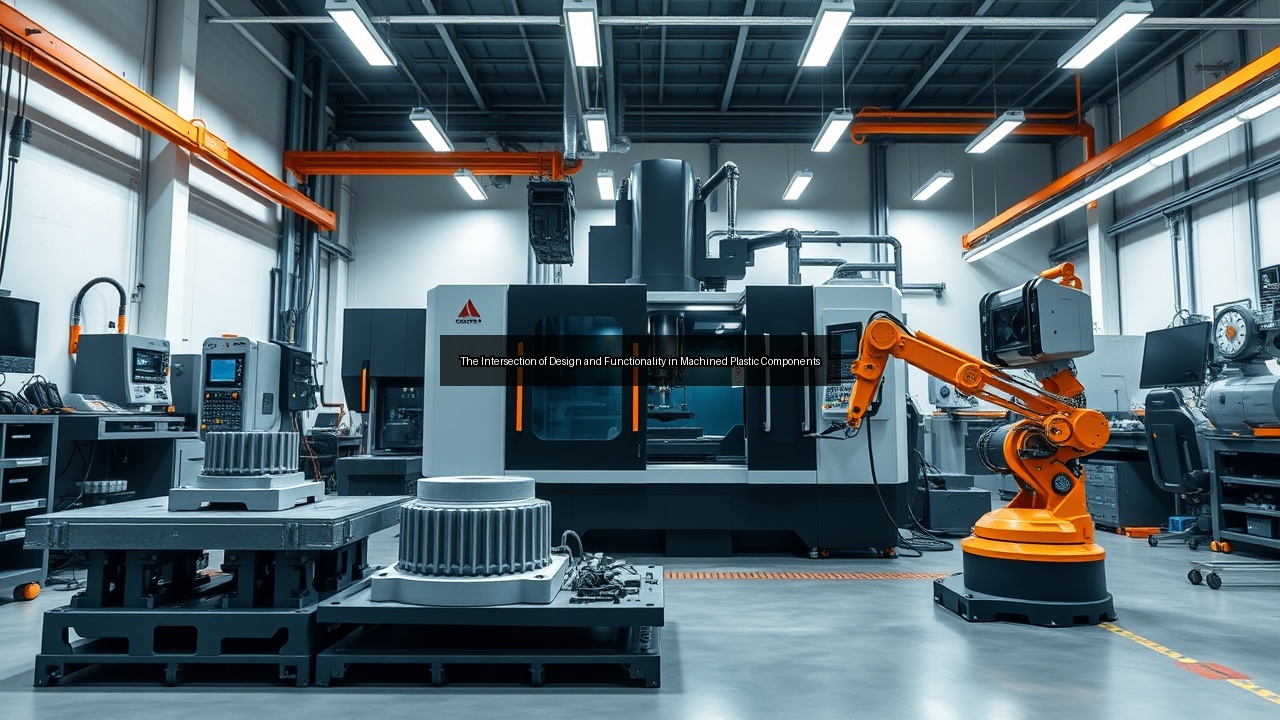
CNC machinery plays a pivotal role in the fabrication of machined plastic components. Computer Numerical Control (CNC) technology automates the machining process, ensuring precision and repeatability. CNC machines can handle various plastics, enabling manufacturers to produce components with intricate geometries and tight tolerances. The automation provided by CNC machinery increases efficiency, reduces human error, and shortens production cycles. Machinists can program CNC machines to execute multiple operations, including milling, turning, and drilling, all in one setup. This capability not only enhances productivity but also allows for customization, making CNC machined plastic components adaptable to a wide range of specifications.
Common Engineering Plastics Used in Machining
Several engineering plastics are popular in the machining industry due to their superior performance and specific attributes. Polycarbonate stands out for its impact resistance and optical clarity, making it suitable for applications like safety goggles and protective covers. Nylon is prized for its strength, wear resistance, and low friction, often used in gears and bearings. Polypropylene offers excellent chemical resistance and is lightweight, frequently employed in automotive and consumer applications. Other materials, such as acetal and PEEK, also deliver unique properties that cater to specialized needs. Understanding the characteristics of these engineering plastics helps manufacturers select the right material for each machined plastic part, ensuring optimal performance and longevity.
Design Considerations for Machined Plastic Parts
Balancing Aesthetics and Functionality
Designing machined plastic parts requires a delicate balance between aesthetics and functionality. While functionality remains paramount, the visual appeal of a component can significantly influence consumer perception. Designers must consider machined plastic part how the component will not only perform its intended function but also fit into the overall design ethos of the final product. For instance, a machined plastic part used in a consumer electronic device must be visually appealing while ensuring that it does not compromise on durability or performance. Techniques such as surface finishing and treatment can enhance the aesthetic qualities of a machined plastic part, providing a sleek, professional look that meets the expectations of both manufacturers and consumers.
Importance of Dimensions and Tolerances
Dimensions and tolerances are critical in the design of machined plastic components. Precision in these areas ensures that parts fit together properly and function as intended. Tight tolerances are especially important in applications such as aerospace or medical devices, where even minor deviations can lead to failure or safety issues. Designers must collaborate closely with machinists to establish the specifications necessary for each component. By utilizing advanced CNC machining techniques, manufacturers can achieve the required precision, resulting in high-quality machined plastic parts that meet stringent industry standards. Understanding the implications of dimensions and tolerances during the design phase can prevent costly revisions and delays during production.
Surface Finishing and Treatment Techniques
Surface finishing and treatment techniques significantly impact the performance and appearance of machined plastic components. Various methods, such as polishing, sanding, and coating, can enhance surface qualities, improving both aesthetic appeal and functionality. For instance, a smooth finish minimizes friction in moving parts, while textured surfaces can provide better grip in hand-held devices. Treatments like anodizing or painting can also be applied to enhance chemical resistance or to add color. Each finishing technique should align with the component's intended use, ensuring that it meets both functional and aesthetic criteria. Manufacturers often work closely with designers to choose the appropriate surface treatment that complements the overall design and enhances product performance.
The Manufacturing Process of Machined Plastic Components
Overview of CNC Machining Techniques
CNC machining encompasses various techniques that enable the production of high-precision machined plastic components. Common processes include milling, turning, and drilling, each serving different purposes. Milling involves removing material from a machined plastic part workpiece using rotating tools, ideal for creating complex shapes and features. Turning, on the other hand, rotates the workpiece against a cutting tool to produce cylindrical components. Drilling allows for the creation of holes in the material, essential for assembly and fastening. The versatility of CNC machining techniques enables manufacturers to produce intricate designs that meet precise specifications, making it a cornerstone of modern plastic fabrication. The ability to switch between different machining processes quickly enhances production efficiency and flexibility.
Batch Production vs. Custom Machining
Batch production and custom machining represent two distinct approaches in the manufacturing of machined plastic components. Batch production involves creating a set quantity of identical parts, which is cost-effective for high-volume applications. This method often utilizes automated CNC machinery to optimize production speed and minimize costs. In contrast, custom machining focuses on producing unique, one-off components tailored to specific requirements. This approach allows for greater design flexibility and innovation, catering to niche markets or specialized applications. Companies often choose between these methods based on their needs, balancing cost, time, and the uniqueness of the component required. Understanding the advantages and limitations of each approach can help manufacturers make informed decisions about their production strategies.
The Impact of Robotics on Plastic Machining Efficiency
Robotics significantly enhances the efficiency of plastic machining processes. By integrating robots into the manufacturing workflow, companies can automate repetitive tasks, such as loading and unloading materials or performing secondary operations. This automation reduces the reliance on manual labor, minimizing the potential for human error and increasing throughput. Additionally, robots can work alongside CNC machines to optimize the machining process, cnc machined plastic parts ensuring that parts are produced within the required tolerances and specifications. The use of robotics also allows for continuous operation, enabling manufacturers to meet high-demand production schedules without compromising quality. As technology evolves, the integration of robotics into plastic machining will likely continue to grow, further improving efficiency and reducing costs.
Applications and Innovations in Machined Plastics
Industries Relying on Machined Plastic Components
Numerous industries depend on machined plastic components for their operations. The automotive industry utilizes these parts for lightweight components that enhance fuel efficiency and performance. Aerospace companies rely on machined plastics for their strength-to-weight ratio, using them in interior components and non-structural parts. The medical field employs machined plastic parts in devices such as syringes and surgical instruments due to their biocompatibility and ease of sterilization. Consumer electronics manufacturers use machined plastics for housings cnc machined plastic parts and internal components, benefiting from the durability and design flexibility these materials offer. The versatility of machined plastic components ensures their essential role across various sectors, driving innovation and efficiency.
Emerging Technologies in Plastic Machining
The landscape of plastic machining evolves continuously, with emerging technologies enhancing production capabilities. Additive manufacturing, or 3D printing, complements traditional CNC machining by allowing for rapid prototyping and production of complex geometries that might be challenging or cost-prohibitive with conventional methods. Hybrid manufacturing, which combines CNC machining with additive processes, offers the potential for creating intricate components while maintaining high precision. Furthermore, advancements in material science have led to the development of new composites that exhibit superior properties, expanding the possibilities for machined plastic parts. These innovations drive efficiency, reduce waste, and open new avenues for design, ultimately benefiting manufacturers and consumers alike.
Case Studies of Successful Machined Plastic Parts
Several case studies highlight the success of machined plastic components across various industries. In the automotive sector, a leading manufacturer developed a complex housing for an electric vehicle's battery management system using CNC machined polycarbonate, achieving both weight reduction and improved thermal performance. In the medical field, a company produced custom machined plastic components for surgical devices, enhancing precision and reliability while ensuring compliance with stringent health regulations. Another notable example involves a consumer electronics firm that utilized machined plastic housings to create sleek, durable products that met modern aesthetic standards. These case studies illustrate how effective design and machining processes can yield innovative solutions that address specific industry challenges, driving growth and efficiency.
See Also
- The Importance of Quality Control in Machined Plastic Manufacturing
- How Technology is Revolutionizing Machined Plastic Manufacturing
- The Role of Surface Finishing in Enhancing Machined Plastic Components
- Innovative Applications of Machined Plastics in Robotics
- Streamlining Batch Production with CNC Machined Plastic Solutions