Innovative Techniques in Welding and Fabrication for Modern Manufacturing
Emerging Technologies in Welding and Fabrication
Overview of Modern Welding Techniques
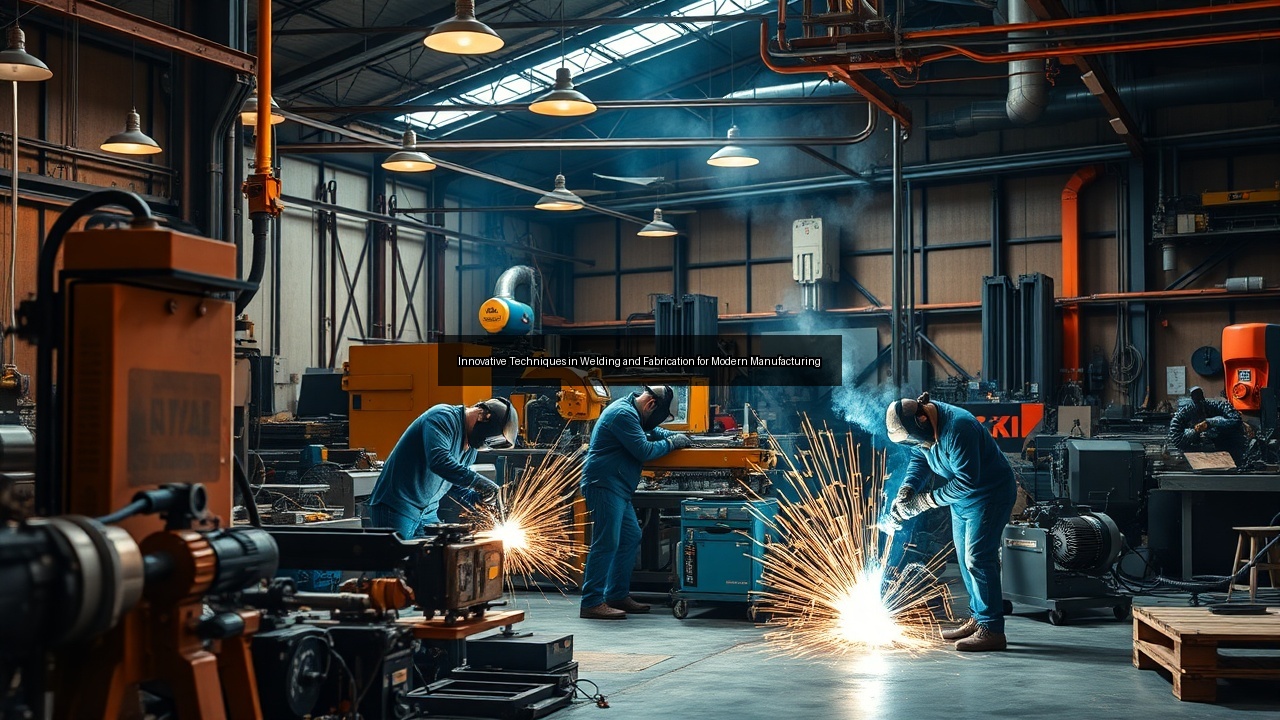
Welders rely on advanced methods to handle complex metal fabrication tasks across industries. Techniques such as MIG welding, also known as GMAW, deliver fast deposition rates for thick sections of steel and alloys. TIG welding, or GTAW, provides precise control when joining thin metals without distortion. SMAW remains reliable for field repairs on infrastructure projects where portability matters most. Brazing offers strong bonds at lower temperatures, preserving material properties in delicate assemblies. These approaches integrate seamlessly into custom welding and fabrication services offered by specialized fabrication companies.
Modern equipment combines digital controls with traditional processes to boost consistency. Operators adjust parameters on the fly using machines equipped with sensors that monitor arc stability. Fabrication and welding services now incorporate hybrid systems that switch between processes mid-job. This flexibility supports diverse applications from automotive frames to pressure vessels. Training programs emphasize safety alongside technique mastery, ensuring welders produce durable results that meet demanding specifications. Overall, these welding and fabrication methods reduce waste and accelerate production timelines for metal fabrication process efficiency.
Impact of Automation in Manufacturing
Automation transforms welding and fabrication by replacing repetitive manual tasks with robotic systems. Automated welders handle long seams on large structures with unmatched repeatability, cutting labor costs while maintaining quality. Fabrication companies deploy robotic arms programmed for MIG and TIG applications, freeing human operators for oversight and design work. Sensors embedded in machinery detect deviations instantly, triggering corrections that prevent defects. This shift raises output rates significantly in high-volume environments.
Integration of automation extends to material handling and inspection stages within the metal fabrication process. Conveyors feed parts to welding stations without interruption, and vision systems verify joint alignment before each pass. Companies offering fabrication and welding services report faster turnaround times and fewer errors. Energy consumption drops as machines optimize power usage during idle periods. Skilled personnel focus on programming and maintenance rather than torch operation, elevating overall expertise across teams. Automation ultimately supports scalable manufacturing without sacrificing precision.
Advancements in MIG and TIG Welding
Recent upgrades in MIG welding equipment include pulse technology that minimizes spatter and improves bead appearance on aluminum and stainless steels. Welders achieve deeper penetration with less heat input, reducing warping in thin sheet metal. GMAW systems now feature synergic controls that automatically match wire speed to voltage, simplifying setup for operators. These tools enhance productivity in fabrication shops handling mixed metal types daily.
TIG welding advances center on inverter power sources and foot pedals with finer current modulation. GTAW torches incorporate gas lenses for better shielding, yielding cleaner welds on reactive metals. Automated TIG setups appear in aerospace component production where joint integrity is critical. Fabrication companies combine these methods with CNC positioning for complex geometries. Training emphasizes proper filler selection and shielding gas mixtures to maximize mechanical properties. Such developments keep welding and fabrication competitive in global markets.
Innovative Materials and Their Applications
Exploring Alloys in Metal Fabrication
Alloys expand design possibilities in metal fabrication by offering tailored strength, corrosion resistance, and weight characteristics. High-strength low-alloy steels withstand heavy loads in construction equipment while remaining weldable. Nickel-based alloys excel in high-temperature environments like turbine blades. Fabricators select specific grades based on service conditions to optimize performance. Welding procedures adapt to each alloy’s metallurgy, preventing cracking through preheat and post-weld heat treatment.
Custom welding and fabrication services evaluate alloy compatibility before production begins. Machining precedes welding to create precise fit-ups that reduce residual stress. Testing validates joint toughness under simulated loads. Fabrication companies maintain inventories of diverse alloys to meet client specifications quickly. Expertise in metallurgy guides process choices, ensuring final assemblies deliver reliability. These material innovations drive progress in sectors requiring robust, long-lasting components.
The Role of Aluminum in Aerospace Engineering
Aluminum dominates aerospace structures due to its low weight and excellent strength-to-weight ratio. Welders join aluminum alloys using TIG and MIG processes with specialized fillers that match base metal properties. Proper cleaning removes oxides that interfere with fusion, producing sound welds essential for flight safety. Aerospace engineering demands tight tolerances, which automated welding systems help achieve consistently across fuselage panels and wing spars.
Aluminum fabrication also incorporates friction stir welding for large sections where traditional fusion methods risk distortion. This solid-state technique preserves material strength while creating defect-free joints. Fabrication and welding services serving the sector invest in climate-controlled environments to manage aluminum’s thermal sensitivity. Inspection follows every weld to confirm integrity before components enter service. Weight savings translate directly into fuel efficiency gains for aircraft operators.
Sustainability in Metal Selection for Fabrication
Sustainability guides material choices in modern metal fabrication toward recycled content and lower environmental impact. Aluminum and steel producers supply high-recycled-content grades that reduce energy demands during smelting. Fabricators minimize scrap through optimized nesting software and precise cutting with saw and plasma machines. Welding processes themselves incorporate energy-efficient power sources that lower electricity use during production runs.
Companies focused on fabrication and welding services track carbon footprints across projects. Selecting lighter alloys cuts transportation emissions while maintaining structural performance. End-of-life recyclability becomes a design criterion from the start. Sustainable practices extend to consumables, with low-fume wires and gases reducing workplace exposure. These decisions support regulatory compliance and appeal to clients prioritizing responsible manufacturing. Long-term cost savings emerge from reduced waste and resource consumption.
Streamlining the Fabrication Process
Optimizing Workflow in Fabrication Companies
Effective workflow optimization begins with digital planning tools that sequence cutting, forming, welding, and finishing steps. Fabrication companies map each job to identify bottlenecks and balance workloads across stations. Lean principles eliminate unnecessary movement of parts and personnel. Real-time tracking software provides visibility into progress, allowing managers to reassign resources promptly when delays occur.
Cross-training welders on multiple processes increases flexibility within teams. Standardized work instructions reduce variation and speed onboarding of new staff. Layout improvements position machinery logically to shorten travel distances between operations. Custom welding and fabrication projects benefit from these efficiencies through shorter lead times and predictable delivery. Continuous improvement cycles review metrics after each job to refine future performance.
Quality Control Standards: ISO 9001 in Manufacturing
ISO 9001 certification establishes rigorous quality management systems that fabrication companies adopt to ensure consistent output. Documented procedures cover every stage from material receipt through final inspection. Welders follow qualified procedures validated by procedure qualification records. Calibration of machines and tools maintains accuracy across production. Nonconformance tracking drives corrective actions that prevent recurrence of issues.
Audits verify ongoing compliance and highlight opportunities for enhancement. Clients gain confidence knowing welding and fabrication services meet internationally recognized benchmarks. Record-keeping supports traceability for critical components in infrastructure and aerospace applications. Training reinforces employee understanding of quality objectives. ISO 9001 integration ultimately reduces rework and strengthens competitive positioning in the marketplace.
Inspection Techniques for Enhanced Reliability
Inspection techniques safeguard reliability in welding and fabrication by detecting flaws before components enter service. Visual examination catches surface irregularities immediately after welding. Dye penetrant testing reveals cracks invisible to the naked eye on nonporous metals. Ultrasonic and radiographic methods probe internal integrity without damaging parts. Fabrication companies schedule inspections at key milestones to catch problems early.
Automated inspection systems using cameras and laser profiling accelerate throughput while improving detection rates. Data from these tools feeds statistical analysis that refines processes over time. Welder certification records pair with inspection results to maintain accountability. Advanced techniques such as phased array ultrasonics provide detailed imaging for complex joints. Reliable inspection builds trust with customers seeking durable fabricated products.
The Future of Welding and Fabrication
Custom Welding Solutions for Diverse Industries
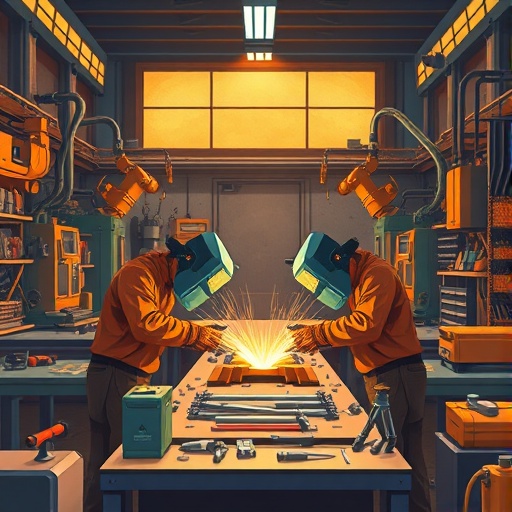
Custom welding solutions address unique challenges across sectors from energy to transportation. Engineers collaborate with fabricators to develop procedures tailored to specific alloys, thicknesses, and service environments. Prototyping validates designs before full-scale production. Welding and fabrication services adapt processes like pulsed MIG or orbital TIG for repeatable results on irregular geometries. This flexibility supports innovation in product development.
Industries benefit when fabrication companies maintain broad capabilities in-house. Quick response to design changes keeps projects on schedule. Documentation packages accompany deliveries for regulatory approval. Expertise in multiple welding codes ensures compliance wherever components operate. Custom approaches differentiate leading providers and foster long-term client relationships built on performance.
Integration of Energy-Efficient Machining Tools
Energy-efficient machining tools reduce operational costs while supporting sustainability goals in metal fabrication. Variable-speed drives on mills and lathes adjust power draw to actual load requirements. High-efficiency motors and LED lighting throughout shops lower overall consumption. CNC controllers optimize tool paths to shorten cycle times and minimize idle energy use. Fabrication processes benefit from these upgrades through improved margins.
Integration extends to welding equipment featuring inverter technology that consumes less electricity than older transformers. Heat recovery systems capture waste energy from machinery for facility heating. Regular maintenance keeps all tools operating at peak efficiency. Companies track energy metrics alongside production data to identify further savings. These investments position fabrication companies as responsible partners in modern manufacturing supply chains.
The Role of Expertise in Modern Fabrication
Expertise remains the cornerstone of successful welding and fabrication despite technological advances. Seasoned welders diagnose issues that automated systems miss and adapt techniques to unexpected material conditions. Engineers apply deep knowledge of metallurgy and stress analysis when specifying joints. Fabrication companies invest in ongoing education to keep teams current with emerging technologies and codes. This human element ensures quality that machines alone cannot guarantee.
Knowledge transfer between veterans and newer staff preserves institutional skills. Collaboration between design, welding, and inspection departments produces optimized outcomes. Expertise also guides equipment selection, matching machines and tools to project demands. Clients value providers who combine advanced technology with proven judgment. The future belongs to organizations that cultivate both innovation and craftsmanship in equal measure.
See Also
- Understanding the Differences Between MIG and TIG Welding for Optimal Results
- Mastering the Metal Fabrication Process from Design to Execution
- The Art of Custom Welding and Fabrication for Unique Applications
- Advancements in Aerospace Welding and Fabrication Technologies
- Key Considerations When Choosing a Welding Service for Your Project