Exploring the Importance of Hub Flanges in Modern Engineering
Understanding Hub Flanges and Their Functionality
What are Hub Flanges?
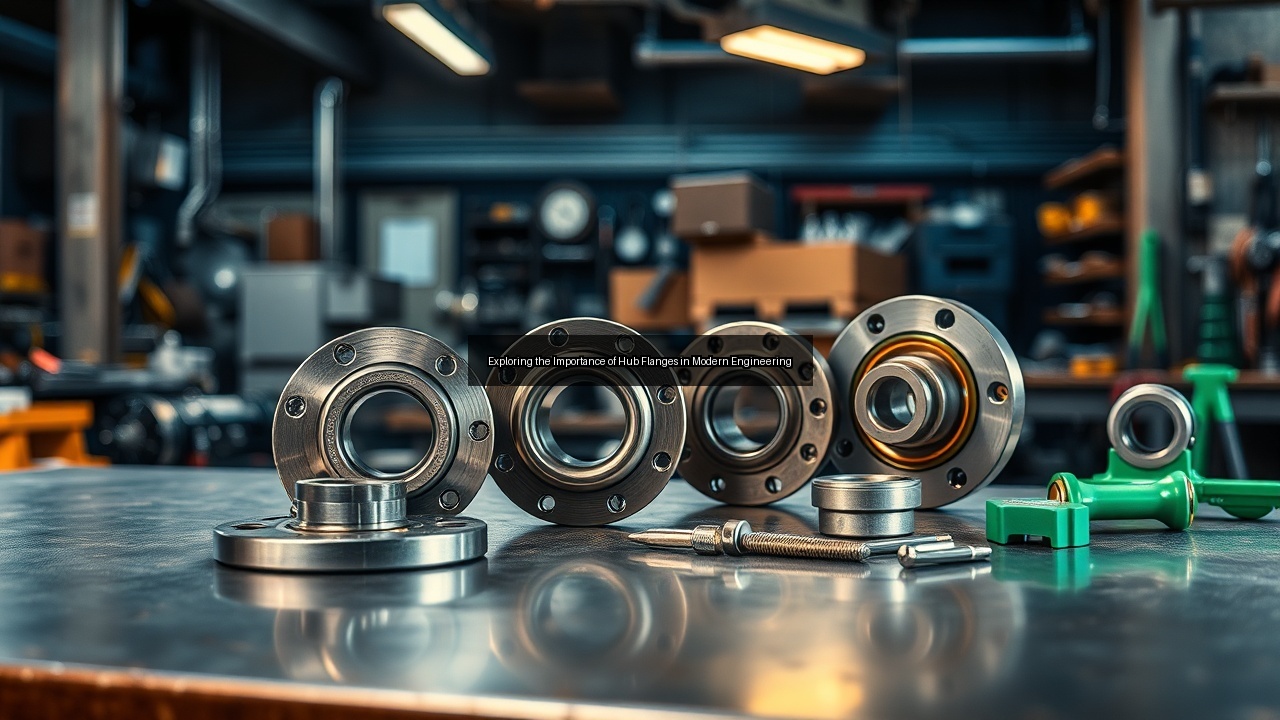
Hub flanges extend from the central hub to create a secure mounting surface for wheels and rotating assemblies. These components combine a cylindrical hub body with an integrated flange ring that distributes load evenly across the connection points. Engineers specify hub flanges in designs that demand precise alignment and high torque transmission. The flange surface often includes bolt patterns that match corresponding parts on axles or drivetrains. Material choices range from forged steel to lightweight aluminum alloys that reduce overall mass without sacrificing strength. Proper machining ensures the hub flange maintains concentricity with the bore, preventing vibration during high-speed operation. Many designs incorporate keyways or splines that lock the flange hub to the shaft and eliminate slippage under load.
The Role of Flanges in Engineering
Flanges form the backbone of countless mechanical joints because they allow quick assembly and disassembly while maintaining structural integrity. In rotating systems, flanges transfer forces from one component to another without introducing excessive play. They also serve as sealing surfaces when paired with gaskets in pressurized environments. Engineers calculate flange thickness and bolt circle diameter to handle expected stresses and avoid deformation. The added rigidity from a properly sized flange prevents misalignment that would otherwise accelerate wear on adjacent bearings. Across industries, standardized flange dimensions simplify inventory management and speed up repairs. Hub flanges specifically add the benefit of an extended mounting platform that supports larger diameter wheels or sprockets.
Types of Hub Flanges used in Modern Applications
Designers select from several hub flange configurations depending on load requirements and space constraints. Welded hub flanges offer permanent attachment for heavy industrial equipment. Bolted versions allow field replacement and adjustment. Some flanged hubs feature integrated bearing seats that accept flange ball bearing units directly. Others use separate bearing housings that bolt onto the flange face. Lightweight versions for performance applications often include cutouts that reduce mass while preserving torsional strength. Threaded hub flanges appear in applications where axial adjustment is necessary. Each type maintains the core advantage of combining hub centering with flange load distribution in a single machined part.
The Mechanics of Hub Flanges and Bearing Systems
How Hub Flanges Interact with Ball Bearings
Hub flanges position ball bearings accurately along the rotational axis so that loads pass directly into the supporting structure. The flange face often includes a machined register that locates the outer race of a ball bearing or flange ball bearing assembly. This registration maintains proper clearance and prevents the bearing from walking under thrust. When the wheel or pulley mounts to the hub flange, the bearing supports radial forces while the flange resists bending moments. Proper lubrication channels machined into the hub flange deliver grease to the ball bearings and extend service life. Engineers verify that the hub flange bore and bearing outer diameter maintain tight tolerances to avoid fretting and noise.
The Importance of Set Screws in Flanged Hubs
Set screws lock the hub flange to the shaft and stop relative rotation that would damage the bore. Two or more set screws placed at 120-degree intervals provide balanced clamping force. Hardened set screws bite into shaft flats or dimples and resist loosening from vibration. Proper torque on each set screw prevents the hub from shifting axially and altering bearing preload. In high-speed applications, engineers may add thread-locking compound to the set screw holes to maintain tension over thousands of operating hours. Replacement set screws must match the original thread pitch and point style to preserve holding power without scoring the shaft.
Bushing Applications in Hub Flange Systems
Bushings inserted between the hub flange bore and shaft reduce friction and accommodate minor misalignments. Bronze or polymer bushings absorb shock loads that would otherwise transmit directly to ball bearings. In some designs, the bushing also serves as a sacrificial wear surface that protects the more expensive hub flange. Proper bushing selection considers operating temperature, chemical exposure, and required press-fit interference. Maintenance teams monitor bushing clearance during inspections and replace worn units before they allow excessive play that stresses the bearings. Hub flanges designed for bushing use often include grease grooves that keep the interface lubricated and cool.
Applications of Hub Flanges Across Industries
Hub Flanges in Automotive Engineering
Automotive engineers rely on hub flanges to mount brake rotors and wheels securely to drive axles. The flange provides the bolt circle that centers the wheel while the hub carries the bearing load. Modern vehicles often integrate the hub flange with an ABS tone ring that allows wheel-speed sensors to function accurately. High-performance cars specify lightweight flanged hubs that reduce unsprung weight and improve handling response. Corrosion-resistant coatings on automotive hub flanges protect against road salt and moisture that would otherwise degrade the bearing seat. Replacement hub assemblies frequently arrive as complete units that include the flange, bearing, and retaining hardware for fast service.
Flange Design in Aerospace Technology
Aerospace applications demand hub flanges that combine minimal weight with extreme fatigue resistance. Titanium and high-strength aluminum alloys dominate these designs because they offer excellent strength-to-weight ratios. Engineers optimize flange thickness using finite element analysis to remove material from low-stress areas. Flanged hubs in landing gear and flight control actuators must withstand repeated high-impact loads while remaining within strict weight budgets. Surface treatments such as anodizing or dry-film lubricants protect the hub flange against galling and corrosion in harsh atmospheric conditions. Traceability requirements mean every aerospace hub flange carries a unique serial number that links back to raw material and heat-treatment records.
Utilization of Hub Flanges in Sports Equipment
Sports equipment manufacturers incorporate hub flanges into bicycle wheels, fitness machines, and skate wheels to deliver smooth, reliable rotation. In cycling, lightweight flanged hubs reduce rotational inertia and allow faster acceleration. The flange design also supports spoke lacing patterns that increase wheel stiffness. Rowing machines and treadmills use hub flanges to mount flywheels and resistance mechanisms that must operate quietly for extended periods. Skateboard and inline skate wheels rely on small flanged hubs that accept precision ball bearings and maintain alignment during aggressive maneuvers. Equipment designers continually refine hub flange geometry to balance durability against the desire for lower mass.
Case Study: Hub Flanges in Cycling Gear
The Influence of Hub Flanges on Cycling Performance
Hub flanges directly affect wheel stiffness, weight distribution, and bearing life in competitive cycling. A wider flange spacing increases lateral rigidity and improves power transfer during sprints and climbs. At the same time, optimized flange thickness keeps total wheel weight low enough to meet UCI regulations. Riders notice the difference when hub flanges allow tighter spoke tension without deformation. Better bearing support from the flange also reduces friction losses that accumulate over long stages. Teams test multiple hub flange designs during winter training to identify the configuration that delivers the best combination of durability and speed on varied terrain.
Tom Pidcock's Gear: A Closer Look at Flanged Hubs
Tom Pidcock races with custom flanged hubs that integrate lightweight materials and high-precision ball bearings. His setup positions the flange ball bearing close to the spoke bed to minimize flex under the extreme lateral forces generated during technical descents. Mechanics adjust set screw tension on the hub flange to maintain perfect bearing preload without binding. The design also accommodates quick wheel changes during races that feature mixed surfaces. Pidcock's mechanics document every adjustment so the team can replicate successful configurations across different events and conditions.
Impact of Hub Flanges in Tour de France Femmes
During the Tour de France Femmes, stages through Bordeaux, Pau, and Aurillac test equipment reliability under varying weather and road conditions. Riders chase the green jersey in sprints where every watt saved at the hub flange translates into measurable time gains. Teams monitor bearing temperatures and flange integrity after each stage to prevent failures on subsequent days. The demanding parcours rewards wheels built around stiff yet light flanged hubs that maintain spoke tension throughout long mountain days. Equipment choices made before the race in Aurillac often determine final classifications when small mechanical advantages compound over multiple stages.
Future Trends in Hub Flange Technology
Innovations in Flange Design and Materials
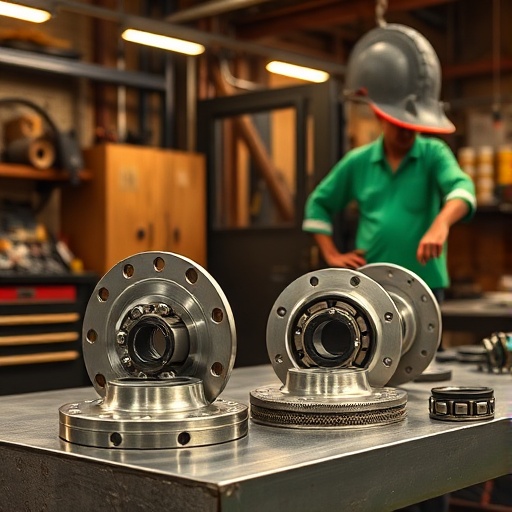
Manufacturers now explore carbon-fiber-reinforced polymers and metal-matrix composites that further reduce hub flange mass while increasing fatigue life. Additive manufacturing allows internal lattice structures that maintain strength with less material. Integrated sensors embedded in the flange can transmit real-time temperature and vibration data to maintenance systems. New coating technologies improve corrosion resistance without adding thickness that would affect bearing fit. These advances push the performance envelope for both industrial and high-end consumer applications that depend on reliable flanged hubs.
Sustainability in Bearing and Flange Manufacturing
Producers increasingly source recycled metals for hub flanges and bearings to lower the environmental footprint of each component. Closed-loop machining processes capture and reuse metal chips generated during flange production. Water-based coolants and dry machining techniques reduce hazardous waste streams. Companies also design hub flanges for easier disassembly so that bearings and bushings can be replaced without scrapping the entire assembly. These practices align with customer demands for greener supply chains while maintaining the mechanical performance expected from modern flange hub systems.
The Global Market for Hub Flanges: Stock and Demand Trends
Global stock levels of standard hub flanges have risen as manufacturers expand capacity to meet automotive and industrial demand. At the same time, specialty flanged hubs for aerospace and performance cycling remain on longer lead times due to complex machining requirements. Market analysts track regional demand spikes in Asia and Europe that correlate with new vehicle platform launches and infrastructure projects. Distributors maintain broader inventories of common sizes while offering rapid custom machining for unique flange patterns. Price stability depends on raw material availability and energy costs that affect forging and heat-treatment operations worldwide.
See Also
- A Deep Dive into the Relationship Between Hub Flanges and Ball Bearings
- Hub Flanges Explained for DIY Enthusiasts and Bike Builders
- Innovative Applications of Hub Flanges in Automotive Design
- The Connection Between Hub Flanges and High-Performance Cycling Gear
- The Role of Hub Flanges in Enhancing Bicycle Performance