Exploring the Advantages of Compression Molding Over Traditional Injection Molding

Understanding Compression Molding
What is Compression Molding?
Compression molding forms parts by placing a preheated material into an open mold cavity and closing it under pressure. This method differs from plastic injection molding because it avoids high-velocity flow into closed cavities. Manufacturers use compression molding for thermoset plastics and composites that require uniform density. The process delivers strong, compression molded components with fewer knit lines than injection molding produces. Companies that seek compression molding services often specify this technique for large or thick-walled items where injection molding machines struggle with material distribution. Compression molding also accommodates insert molding of metal parts or reinforcements without damaging delicate cores. Designers appreciate the lower tooling pressures that extend mold life and reduce maintenance costs compared with traditional injection molding setups.
The Compression Molding Process Explained
The compression molding process begins with material preparation, usually in the form of pellets, sheets, or preforms. Operators load the charge into a heated mold, then apply pressure ranging from 100 to 2000 psi. Heat activates curing or melting while pressure forces the material to fill the cavity completely. Cycle times vary from one to five minutes depending on part thickness and resin type. Unlike injection molding, the compression molding process does not require runners or gates, which eliminates material waste. Production teams monitor temperature and pressure closely to achieve consistent wall thickness and surface finish. Compression molding services providers adjust these parameters for each job to maintain reliability across batches. This controlled approach yields parts with superior mechanical properties and minimal internal stress.
Key Components of Compression Molding Machines
Compression molding machines consist of a hydraulic or mechanical press, heated platens, and precision molds. The press delivers consistent force across the entire mold surface, a feature that injection molding equipment cannot replicate for very large parts. Temperature control units maintain exact platen heat to ensure even curing. Molds typically feature multiple cavities or deep draws that benefit from the uniform pressure distribution. Sensors track force, temperature, and displacement in real time, allowing operators to fine-tune cycles. Reliable compression molding suppliers equip their facilities with machines that handle both small prototype runs and high-volume production. These components work together to support design flexibility while lowering energy consumption compared with high-pressure injection molding systems.
Advantages of Compression Molding Over Injection Molding
Cost Efficiency in Production
Compression molding reduces tooling expenses because molds operate at lower pressures than those required for injection molding. Tool steel grades can be softer and still deliver long service life, cutting initial investment by 30 to 50 percent for many projects. Material waste drops since the process uses no sprues or runners. Manufacturers that outsource to compression molding services avoid the high clamp tonnage costs associated with large injection molding machines. Energy use stays lower because presses do not need to maintain extreme injection pressures. Labor costs also decrease when automated charge placement systems replace complex robotic injection cells. Overall, these savings make compression molding attractive for medium to large parts where injection molding economics falter.
Design Flexibility and Customization
Design teams gain freedom with compression molding because the open mold allows placement of inserts, fibers, or cores before closure. Complex geometries with varying wall thicknesses form without the flow restrictions that limit injection molding. Draft angles can be reduced, and undercuts handled through movable mold sections. Compression molding processes accommodate multiple material types in a single cycle, enabling hybrid parts. Engineers revise designs quickly by swapping mold inserts rather than rebuilding entire injection molds. Compression molding services providers often prototype parts in days instead of weeks. This agility supports rapid iteration while preserving part integrity across production scales.
Material Versatility and Reliability
Compression molding accepts a broader range of thermoset resins, bulk molding compounds, and fiber-reinforced materials than injection molding tolerates. These materials deliver higher heat resistance and dimensional stability once cured. The gentle filling action prevents fiber breakage, preserving mechanical strength in structural components. Reliability improves because the process minimizes voids and knit lines that weaken injection molded parts. Compression molding suppliers test each batch for cure consistency and mechanical performance to meet tight specifications. Parts emerge ready for secondary operations with fewer defects, reducing scrap rates below those typical in high-speed injection molding operations.
Applications of Compression Molding
Industries Benefiting from Compression Molding
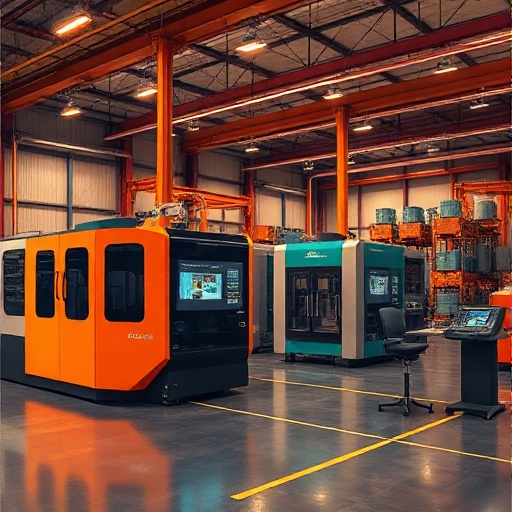
Automotive, aerospace, electrical, and consumer goods sectors rely on compression molding for durable components. Automotive suppliers choose the process for under-hood parts that withstand high temperatures. Aerospace manufacturers use it for interior panels and structural brackets where weight and strength matter. Electrical companies produce insulators and housings with excellent dielectric properties. Compression molding services support these industries by delivering parts that meet stringent regulatory standards without the limitations of injection molding flow paths. Medical device firms also adopt the technique for housings that require biocompatibility and precise tolerances.
Common Products Made with Compression Molding
Everyday items include electrical switchgear covers, truck bumpers, composite battery trays, and appliance handles. Compression molded products often appear in outdoor furniture and sporting goods where impact resistance is essential. The process creates thick sections in vehicle dashboards and heavy equipment guards that injection molding cannot fill evenly. Compression molding production runs also yield gaskets, seals, and vibration dampers from elastomeric compounds. These products demonstrate consistent quality across thousands of cycles when produced by experienced compression molding services teams.
Case Studies of Successful Compression Molding Applications
One automotive supplier replaced an injection molded intake manifold with a compression molded composite version, cutting weight by 22 percent and tooling costs by 40 percent. An electrical firm switched to compression molding for large circuit breaker housings after injection molding produced unacceptable warp. The new parts passed thermal cycling tests with zero failures. A consumer appliance manufacturer scaled production of compression molded door handles using compression molding services that maintained surface finish standards across 500,000 units. Each case highlights how the process overcomes injection molding constraints while improving part reliability and lowering overall expenses.
Choosing the Right Compression Molding Services
Evaluating Compression Molding Companies
Buyers should review a compression molding company’s press capacity, material expertise, and quality certifications. Site visits reveal whether the facility maintains clean environments and up-to-date equipment. References from past projects in similar industries confirm consistent delivery. Strong compression molding services providers share detailed process data and offer design assistance early in development. They also demonstrate traceability systems that track every batch from raw material to finished part.
Key Specifications to Consider
Engineers evaluate maximum press tonnage, platen size, and temperature range when selecting compression molding services. Part specifications such as wall thickness tolerance, surface finish, and insert placement accuracy guide machine selection. Material flow characteristics and cure times influence cycle efficiency. Compression molding suppliers must match these requirements with available equipment and skilled technicians. Clear documentation of pressure settings, temperature profiles, and inspection protocols ensures parts meet design intent on every run.
The Importance of Reliable Compression Molding Suppliers
Reliable compression molding suppliers maintain backup equipment and redundant tooling to prevent production interruptions. They respond quickly to design changes and provide material recommendations that enhance performance. Long-term partnerships with these suppliers deliver stable pricing and continuous improvement in part quality. Companies that prioritize supplier reliability reduce risk and secure consistent output for critical components that injection molding cannot produce at comparable cost or quality.
Future Trends in Compression Molding
Innovations in Compression Molding Processes
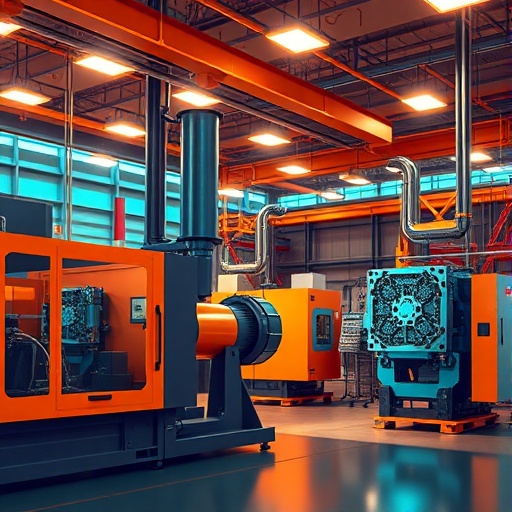
Recent advances include automated preform placement, in-mold sensing, and adaptive pressure control. These innovations shorten cycle times and improve repeatability beyond traditional injection molding capabilities. Compression molding processes now integrate with robotic handling for lights-out production. New mold coatings extend tool life while enhancing release performance. Compression molding services that adopt these technologies offer faster turnaround and tighter tolerances to meet evolving customer demands.
Sustainability and Eco-Friendly Practices
Manufacturers incorporate recycled thermosets and bio-based resins into compression molding production. Lower processing temperatures reduce energy consumption compared with injection molding. Scrap material can often be reintroduced into subsequent charges, minimizing landfill waste. Compression molding services providers track carbon footprints and offer closed-loop material programs. These practices align with corporate sustainability goals while maintaining the mechanical performance customers expect from compression molded parts.
The Impact of Technology on Compression Molding Services
Digital twins and simulation software allow compression molding services teams to predict fill patterns and cure behavior before cutting steel. Real-time monitoring feeds data into machine learning models that optimize pressure and temperature on the fly. This technology reduces trial runs and accelerates time to market. Suppliers using these tools deliver higher reliability and support complex designs that once required injection molding. The result is expanded application range and stronger competitiveness for compression molding across multiple industries.