Common Challenges in Duct Fabrication and How to Overcome Them
Understanding Ductwork Fabrication Challenges
Overview of Duct Fabrication
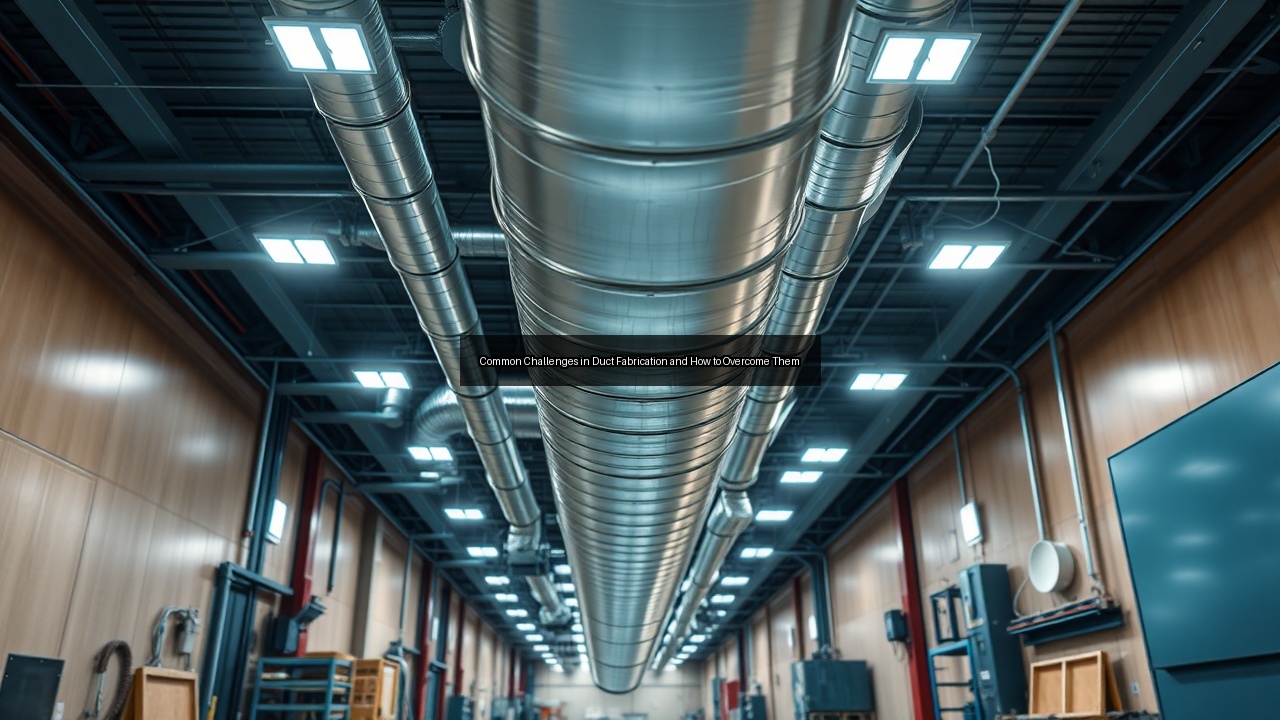
Duct fabrication forms the backbone of effective HVAC systems by shaping sheet metal ductwork into precise channels that direct airflow throughout buildings. Professionals in duct fabrication services routinely encounter material inconsistencies, design errors, and tight tolerances that affect overall performance. Successful ductwork fabrication requires coordinated steps from initial cutting to final assembly, where even minor deviations disrupt downstream installation. Fabricators address these hurdles through standardized templates and automated cutting lines that maintain consistency across large production runs. They also integrate real-time inspections during the fabrication process to catch defects early. This proactive approach reduces waste and keeps projects on schedule while delivering reliable air ducts that meet code requirements for both residential and commercial applications.
Common Materials Used in Duct Manufacturing
Galvanized steel, aluminum, and fiberglass remain the primary choices in duct manufacturing because each offers distinct advantages for specific environments. Galvanized steel provides durability and fire resistance ideal for high-traffic HVAC ducts, while aluminum reduces weight in rooftop installations. Fabricators select materials based on corrosion resistance needs and acoustic performance targets. Challenges arise when suppliers deliver inconsistent gauges or surface finishes that complicate forming operations. Teams overcome these issues by establishing approved vendor lists and conducting incoming quality audits on every shipment. They also maintain buffer stocks of common sizes to prevent delays during peak demand periods. Proper material selection directly influences the longevity and efficiency of completed ductwork systems.
Importance of Accurate Measurements in Duct Length
Precise length measurements determine whether fabricated duct sections fit correctly on site without costly field modifications. Even small errors in duct length create misalignment at elbows and transitions that restrict airflow and increase energy consumption. Experienced crews use laser measuring tools and digital templates to record exact dimensions before cutting begins. They cross-check drawings against actual field conditions to account for structural obstructions missed during initial surveys. By documenting every measurement in shared project software, teams eliminate guesswork and maintain accountability across shifts. Accurate length control also supports better coordination with other trades, ensuring HVAC ductwork integrates smoothly with electrical and plumbing runs.
Technical Challenges in Duct Fabrication
Precision in Airflow Calculations
Accurate airflow calculations form the foundation for every successful duct system design. Engineers must balance velocity, pressure drop, and noise levels to achieve optimal performance without oversizing equipment. Mistakes in these calculations lead to inefficient HVAC systems that consume excess energy or fail to deliver required comfort levels. Fabricators collaborate with design teams to verify velocity profiles before production starts. They apply computational tools that model various scenarios and flag potential bottlenecks early. Regular calibration of testing equipment ensures measurements remain reliable throughout the fabrication process. This attention to detail translates into ductwork that performs as specified once installed.
Dealing with Complex Duct Systems
Modern buildings often demand intricate duct systems with multiple branches, offsets, and custom fittings that challenge standard fabrication methods. These configurations increase the risk of fit-up problems and airflow restrictions at junctions. Fabricators respond by breaking complex layouts into modular sections that assemble quickly on site. They employ 3D modeling to visualize every connection point and generate accurate shop drawings. Prefabrication of specialty pieces in controlled shop environments reduces field labor and improves overall quality. Close communication between designers and shop personnel prevents last-minute changes that derail production timelines.
Managing Duct Design for HVAC Efficiency
Effective duct design directly impacts HVAC efficiency by minimizing pressure losses and eliminating unnecessary turbulence. Poorly designed transitions or undersized branches force fans to work harder, raising operating costs over the system's life. Fabricators work with engineers to apply equal-friction or static-regain methods that optimize duct sizing. They review each layout for proper aspect ratios and smooth radius elbows that preserve airflow momentum. Software simulations help identify problem areas before metal is cut. The result is HVAC ductwork that supports lower energy consumption while maintaining consistent comfort across all zones.
Logistical Challenges in Duct Manufacturing
Supply Chain Issues for Duct Materials
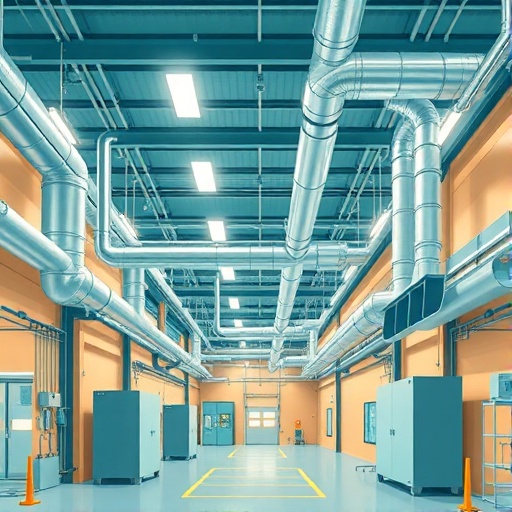
Fluctuations in steel prices and extended lead times for specialty alloys create ongoing supply chain pressure for duct manufacturing operations. Delays in raw material deliveries push back entire project schedules and increase holding costs. Manufacturers counter these disruptions by developing relationships with multiple suppliers and maintaining safety stock for high-volume items. They also explore alternative materials that meet performance specs when primary sources falter. Transparent forecasting shared with vendors improves delivery reliability and reduces the frequency of rush orders that inflate expenses.
Scheduling and Timeline Management
Coordinating fabrication schedules with installation crews and other trades requires meticulous planning to avoid idle time or rushed work. Overlapping deadlines often force shops to prioritize certain orders while others wait, creating bottlenecks. Project managers use detailed Gantt charts and daily stand-up meetings to track progress against milestones. They build buffer days into timelines for unexpected machine downtime or design revisions. Clear communication with clients about realistic delivery windows prevents disputes and maintains strong working relationships across the supply chain.
Transporting Large Ducts
Oversized duct sections present logistical hurdles during shipping because they exceed standard trailer dimensions and require special permits. Damage during transit can render expensive components unusable and delay site progress. Fabricators design modular lengths that fit conventional trucks whenever possible. They secure loads with custom bracing and cover sensitive surfaces to prevent dents or scratches. Route planning software identifies clearance restrictions ahead of time, allowing crews to choose the safest path. On-site staging areas are prepared in advance so delivery trucks unload and depart quickly without disrupting other work.
Quality Control in Duct Fabrication
Ensuring Structural Integrity of Ducts
Structural integrity determines whether ducts withstand internal pressure, external loads, and long-term vibration without deformation or leakage. Weak seams or inadequate reinforcement lead to callbacks and system failures. Quality teams perform spot checks on weld quality, seam fastening, and stiffener placement throughout production. They follow SMACNA guidelines to verify every joint meets or exceeds minimum standards. Non-destructive testing methods such as pressure decay checks catch hidden defects before ducts leave the shop. Consistent enforcement of these protocols builds customer confidence in the finished ductwork.
Testing Airflow in Fabricated Ducts
Airflow testing validates that fabricated sections perform according to design specifications before they reach the job site. Technicians measure leakage rates and velocity profiles using calibrated instruments in controlled test rigs. Deviations trigger immediate corrective action on the production line. Data from these tests feeds back into the design process, allowing continuous improvement of fitting geometries. Documented test results provide traceability and support warranty claims when needed. Thorough airflow verification gives installers confidence that the ductwork will integrate smoothly into complete HVAC systems.
Solutions and Best Practices for Ductwork Fabrication

Utilizing Advanced Fabrication Tools
Plasma cutters, CNC folding machines, and robotic welders increase speed and repeatability in modern duct fabrication shops. These tools reduce human error while handling repetitive tasks that once consumed hours of manual labor. Operators program machines directly from CAD files to maintain tight tolerances across every piece. Regular maintenance schedules keep equipment running at peak efficiency and prevent unexpected breakdowns. Investment in advanced fabrication technology allows shops to accept more complex projects while controlling labor costs and improving overall throughput.
Implementing Software for Duct Design and Calculator Use
Specialized duct design software streamlines the transition from concept to production by automating layout generation and material takeoffs. Built-in calculators compute airflow requirements, friction losses, and fitting equivalents with greater accuracy than manual methods. Teams import architectural files directly into the platform to flag clashes early. Real-time collaboration features let multiple users review and adjust designs simultaneously. The software also generates bills of materials and nesting patterns that minimize waste during cutting operations. Consistent use of these digital tools accelerates the entire fabrication process from bid to delivery.
Training and Workforce Development in Duct Manufacturing
Skilled labor shortages make ongoing training essential for maintaining quality in duct manufacturing operations. Apprentices learn proper handling techniques, safety protocols, and machine operation through structured programs that combine classroom instruction with shop floor practice. Experienced fabricators mentor newcomers on interpreting shop drawings and troubleshooting common issues. Cross-training across departments builds flexibility so teams can shift resources when demand spikes in one area. Continuous education keeps staff current with evolving codes and new fabrication technologies, ensuring the workforce remains capable of delivering high-quality ductwork on every project.
See Also
- Innovative Techniques in Ductwork Design and Fabrication
- Exploring the Future of Ductwork Systems in HVAC Technology
- Understanding the Ductwork Fabrication Process from Start to Finish
- The Essential Guide to Choosing the Right Duct Fabrication Services
- The Impact of Quality Ductwork on HVAC System Performance