3D Printing and Multi Cavity Molds Bridging Two Technologies
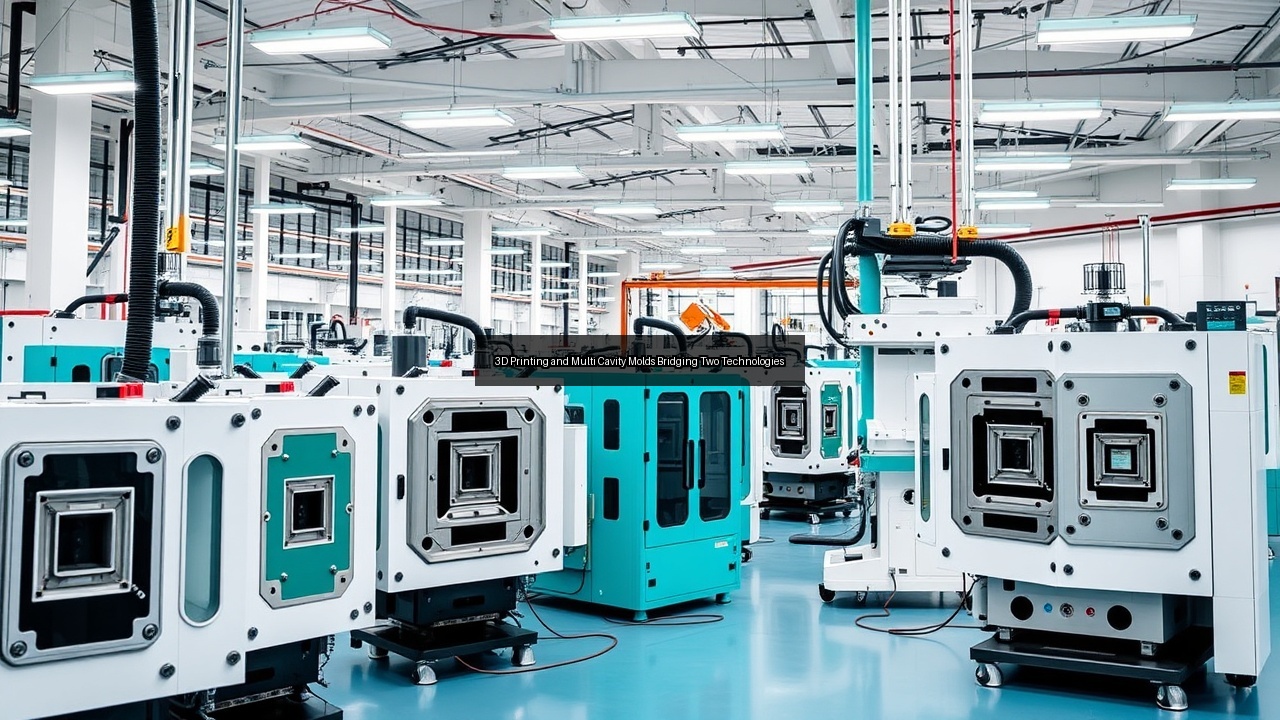
The Intersection of 3D Printing and Injection Molding
Understanding 3D Printing Technology
3D printing, also known as additive manufacturing, revolutionizes the production landscape by enabling the creation of complex geometries directly from digital models. This technology works by layering materials, typically thermoplastics or resins, to build objects from the ground up. Unlike traditional manufacturing methods that often involve subtractive processes, 3D printing minimizes waste and allows for rapid prototyping. Engineers can quickly iterate designs, making this technology particularly advantageous in sectors like automotive, aerospace, and healthcare. The rise of 3D printing has transformed how products are developed, reducing lead times and cavity forming costs while emphasizing customization. These benefits position 3D printing as a complementary force to conventional techniques, such as injection molding, especially when applied to multi cavity molds.
Overview of Injection Molding Processes
Injection molding represents a staple manufacturing process, especially for producing plastic components in large quantities. The process begins with heating plastic until it melts, after which it is injected into a mold under high pressure. Once the plastic cools, the mold opens to release the finished product. This method excels in producing consistent, high-quality parts at scale, making it ideal for everything from consumer goods to intricate industrial components. Multi cavity molds, in particular, enhance injection molding efficiency by allowing several parts to be produced simultaneously. This leads to reduced cycle times and lower production costs. Understanding the nuances of injection molding processes and how they interrelate with 3D printing is essential for optimizing production workflows in various industries.
Benefits of Combining 3D Printing with Multi Cavity Molds
The integration of 3D printing technology with multi cavity molds yields numerous advantages. First and foremost, this combination fosters rapid prototyping and testing of mold designs, allowing engineers to identify and resolve issues before full-scale production. Using 3D printing for mold components or inserts enhances design flexibility, enabling the creation of complex shapes that traditional molding methods may struggle to achieve. Additionally, 3D printed molds can reduce lead times significantly, allowing manufacturers to respond quickly to market demands. Furthermore, the combination of these technologies aligns with the principles of scalability, allowing companies to ramp up production without compromising quality. Overall, the synergy between 3D printing and multi cavity molds leads to innovative solutions that can adapt quickly to evolving industry needs.
Design and Development of Multi Cavity Molds
Principles of Mold Design for Scalability
Designing multi cavity molds requires a keen understanding of scalability principles. Engineers must consider factors like part complexity, material selection, and cooling efficiency. The design process begins with a thorough analysis of the product requirements and production volume. Optimized mold design ensures that multiple parts can be produced simultaneously without sacrificing quality. Engineers often employ simulation software to predict flow behavior and thermal dynamics within the mold, allowing for adjustments to enhance performance. Properly designed cooling channels, for example, minimize cycle times and ensure uniform cooling, which is critical for maintaining dimensional accuracy across multiple cavities. The scalability of mold designs directly impacts production efficiency and cost-effectiveness, making it a vital aspect of the manufacturing process.
ISO 9001 and Its Impact on Mold Production
ISO 9001 certification plays a crucial role in ensuring quality in mold production processes. This international standard establishes criteria for a quality management system, focusing on consistent quality and customer satisfaction. For manufacturers working with multi cavity molds, adhering to ISO 9001 standards means implementing systematic processes that improve efficiency and reduce errors. The emphasis on documentation and continuous improvement helps organizations track performance metrics, leading to better decision-making and resource allocation. Furthermore, ISO 9001 fosters a culture of quality within teams, ensuring that every engineer and technician understands their role in maintaining high standards. As a result, companies can enhance their reputation and build trust with clients, ultimately driving business growth.
Cavity Production Techniques in Multi Cavity Molds
The techniques used for cavity production in multi cavity molds significantly influence the final product's quality and manufacturability. Several fabrication methods, including CNC machining, wire EDM, and 3D printing, can be employed to create mold cavities. CNC machining remains the most common technique, offering high precision and the ability to work with various materials. Wire EDM excels in producing intricate details and complex geometries, while 3D printing offers rapid prototyping capabilities, reducing lead times for mold development. Engineers often select the appropriate technique based on the specific requirements of the project, such as production volume and complexity of the design. By integrating advanced cavity production techniques, manufacturers can improve mold performance and ensure high-quality output in plastic injection molding.
Applications and Advantages in Various Industries
Utilizing Multi Cavity Molds in Plastic Injection Molding
Multi cavity molds have become indispensable in plastic injection molding, especially when producing high volumes of identical parts. Industries such as automotive, consumer electronics, and packaging benefit immensely from the efficiency provided by multi cavity molds. These molds allow manufacturers to produce multiple components simultaneously, significantly reducing production times and costs. For instance, in the automotive sector, using multi cavity molds can streamline the manufacturing of dashboard components, ensuring consistency and quality in every unit produced. The ability to maintain high levels of productivity while minimizing waste aligns with sustainability goals, making multi cavity molds an attractive option for manufacturers looking to enhance their operational efficiency. The return on investment often justifies the initial setup costs, as the savings in time and materials accumulate over time.
Case Studies: Successful Integration of 3D Printing and Injection Molding
Several companies have successfully integrated 3D printing with injection molding, showcasing the advantages of this hybrid approach. For example, a leading automotive manufacturer utilized 3D printing to create customized inserts for their multi cavity molds. This enabled them to produce complex geometries that would have been impossible using traditional molding techniques alone. As a result, they achieved significant reductions in lead times and costs while enhancing product performance. Another case study involved a medical device company that leveraged 3D printing for rapid prototyping of injection molds. By testing designs quickly, they streamlined the development process for critical components, ensuring compliance with ISO 13485 standards for medical device manufacturing. These examples illustrate how combining 3D printing with multi cavity molds can drive innovation and efficiency across various industries.
Navigating ISO 13485 for Medical Device Manufacturing with Multi Cavity Molds
ISO 13485 establishes quality management systems specifically for the medical device sector, emphasizing regulatory compliance and risk management. For manufacturers utilizing multi cavity molds in this industry, adhering to ISO 13485 is paramount. This standard ensures that products meet stringent safety and performance requirements, which is crucial for patient safety. Engineers must implement rigorous testing and validation protocols throughout the mold design and production process. This includes documenting every step from concept to production, ensuring traceability and accountability. The integration of 3D printing technology can facilitate compliance by enabling rapid prototyping and testing of designs before moving to full-scale production. By navigating the complexities of ISO 13485 effectively, manufacturers can produce high-quality medical devices efficiently, improving outcomes for patients while maintaining regulatory standards.
See Also
- Unlocking Efficiency with Multi Cavity Molds in Plastic Injection Molding
- Common Challenges in Multi Cavity Mold Production and How to Overcome Them
- From Concept to Creation The Journey of Multi Cavity Molds
- How Multi Cavity Molds Revolutionize Injection Molding Processes
- Enhancing Quality Control in Multi Cavity Molding with ISO 9001